
A Seat at the Table: Why Youth Must Have a Place in East Asian Seas Governance
Wednesday, 12 August 2026
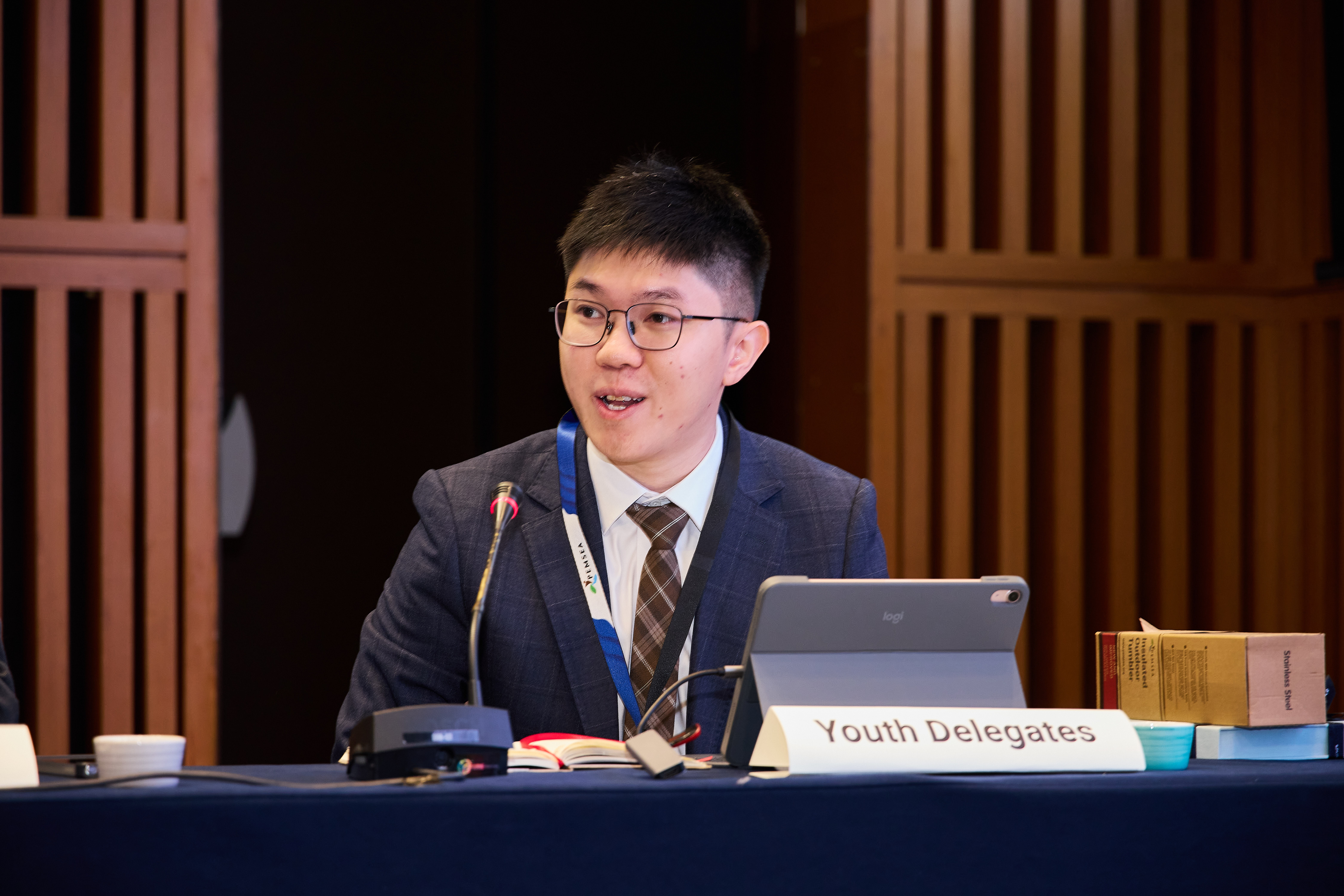
For the first time in its 18 years, the East Asian Seas (EAS) Partnership Council welcomed youth representatives as participants in its governance meeting (proceedings), marking an evolving direction in how the region approaches the next generation of ocean leaders.
During the 18th EAS Partnership Council Meeting, held on 22–23 July 2026 in Singapore, Dr. Kenny Pang, a youth delegate from the Singapore Institute of Technology, was invited to share his perspective on the proposed PEMSEA Young Leaders Program.
“I vividly remember seeing mangrove trees illuminated by thousands of fireflies at the Kuala Salang Nature Park when I was younger,” Dr. Pang recalled. “Sadly, such sites are becoming increasingly rare, and that memory reminds me why the work we are doing here matters.”
For Dr. Pang, that personal memory reflects a wider reality facing young people across the East Asian Seas region. They will inherit the consequences of decisions being made today, yet many do not always know where or how they can contribute to shaping those decisions.
That is why he welcomed PEMSEA’s move toward a more structured approach to youth engagement.
A Pathway for Leadership
How can young people move from being participants in events to becoming contributors to ocean governance?
Dr. Pang welcomed the proposed Young Leaders Program as an important step toward making youth participation part of the broader process of coastal and ocean governance.
For him, the most important element is building identity among young people.
“Many youths feel powerless and do not know where or how to contribute meaningfully,” he said. The challenge, therefore, is not simply to create more opportunities for youth to attend forums, conferences, or consultations. It is to ensure that their ideas, skills, and efforts connect to tangible outcomes.
When young people can see how their contributions influence real work, Dr. Pang noted, they are more likely to remain engaged beyond individual events and continue contributing over the long term.
Rather than treating youth engagement as an activity that happens alongside regional programs, the proposed Young Leaders Program seeks to test ways of engaging young people in PEMSEA projects, technical activities, communications work, and governance processes.
PEMSEA has long recognized the importance of young people in sustaining efforts to protect and manage the region’s coastal and marine resources.
Over the years, young leaders have been part of the East Asian Seas (EAS) Youth Forum and other opportunities that have connected young leaders with regional discussions on ocean governance. These have helped create a generation of young professionals and advocates committed to the health of the region’s coasts and ocean.
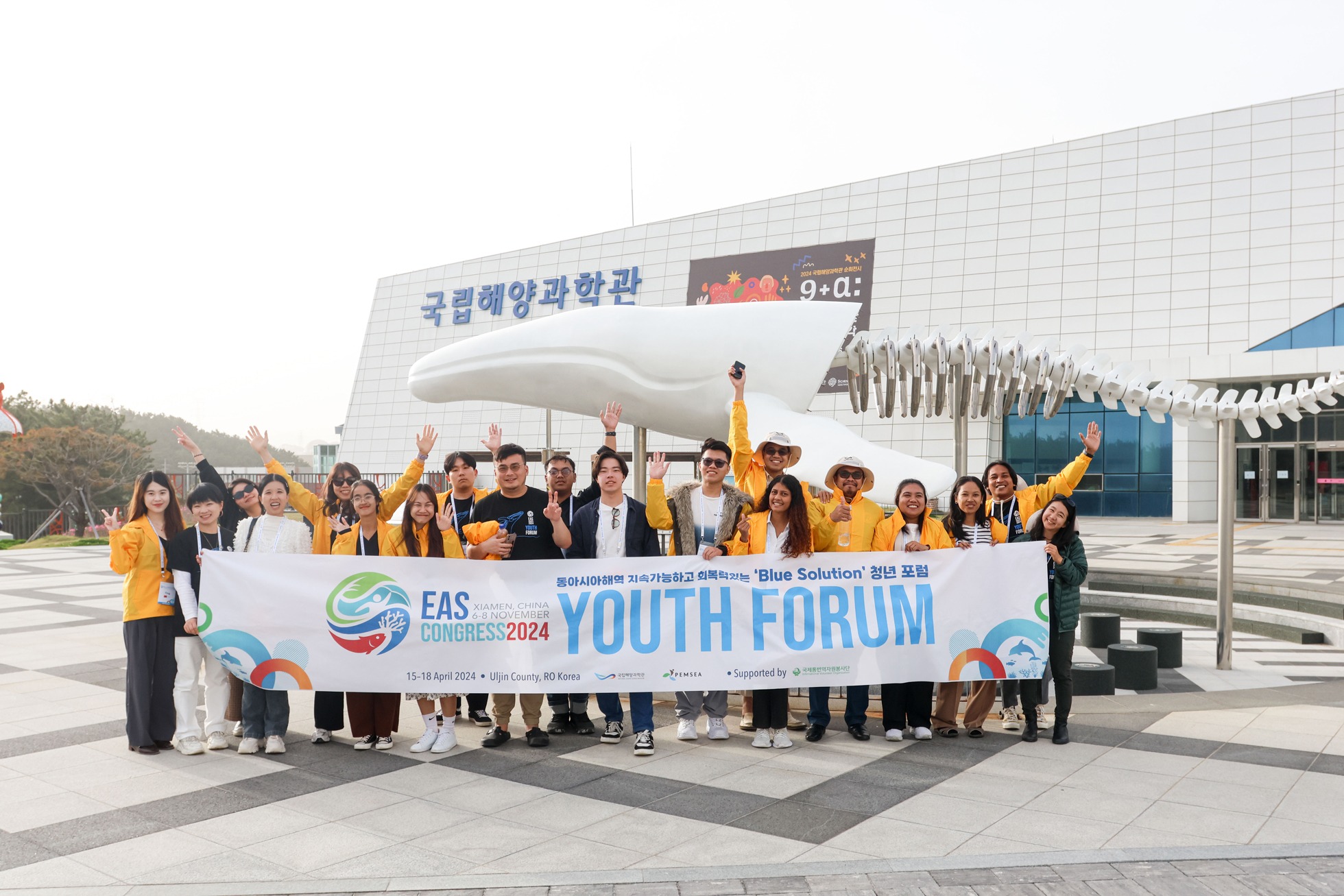
Nineteen young leaders from 10 countries across the East Asian Seas region came together at the East Asian Seas Congress Youth Forum for a week of learning, exchange, and regional cooperation on 16-18 April 2024.
While the triennial EAS Youth Forum has provided valuable opportunities for youth participation, it does not by itself create continuous leadership pathways or integrate young people into technical and governance processes between Congress cycles.
The next step, therefore, is to build continuity. This will include practical ways of involving young professionals in existing PEMSEA mechanisms. Youth participants may engage in technical workshops, training programs, learning exchanges, consultations, and other project activities while developing technical, policy, and leadership competencies.
The intention is to create a pathway through which young people can learn, contribute, and gradually take on greater responsibilities in ocean governance at the local, national, and regional levels.
Showing Young People that Change is Possible
Dr. Pang also pointed to another important dimension of youth engagement: COMMUNICATION.
Young people are often exposed to the scale of environmental problems—from disappearing ecosystems to marine pollution and climate-related pressures. But communicating problems alone can leave young audiences feeling overwhelmed or powerless.
Dr. Pang urged PEMSEA to complement its communication on environmental challenges with stories showing what is possible when governments, communities, researchers, and partners work together.
“Young people are often told what the problems are,” he said. “What inspires continued participation is seeing evidence that solutions are possible and that collaboration can lead to real change.”
For him, these stories can help young people understand not only why coastal and ocean governance matters, but also how they themselves can contribute.
Planting forests in the Ocean
WATCH: Organized by PEMSEA with support from the Ministry of Oceans and Fisheries of the Republic of Korea, the EAS Futures Youth Video Competition invited young people across the region to share their perspectives on life with the ocean through photography and video. The 1st Place photo features Bakhawan Eco-Park in Kalibo, Aklan, capturing the beauty and importance of mangrove ecosystems.
This is reflected in the youth knowledge and storytelling component, which includes youth-generated case studies, policy reflections, technical summaries, photo essays, and narrative stories documenting youth-led action and community experiences across the region.
The objective is not simply to produce communication materials. It is to give young people opportunities to document, interpret, and communicate the work they are already becoming part of.
Institutionalizing Youth Engagement
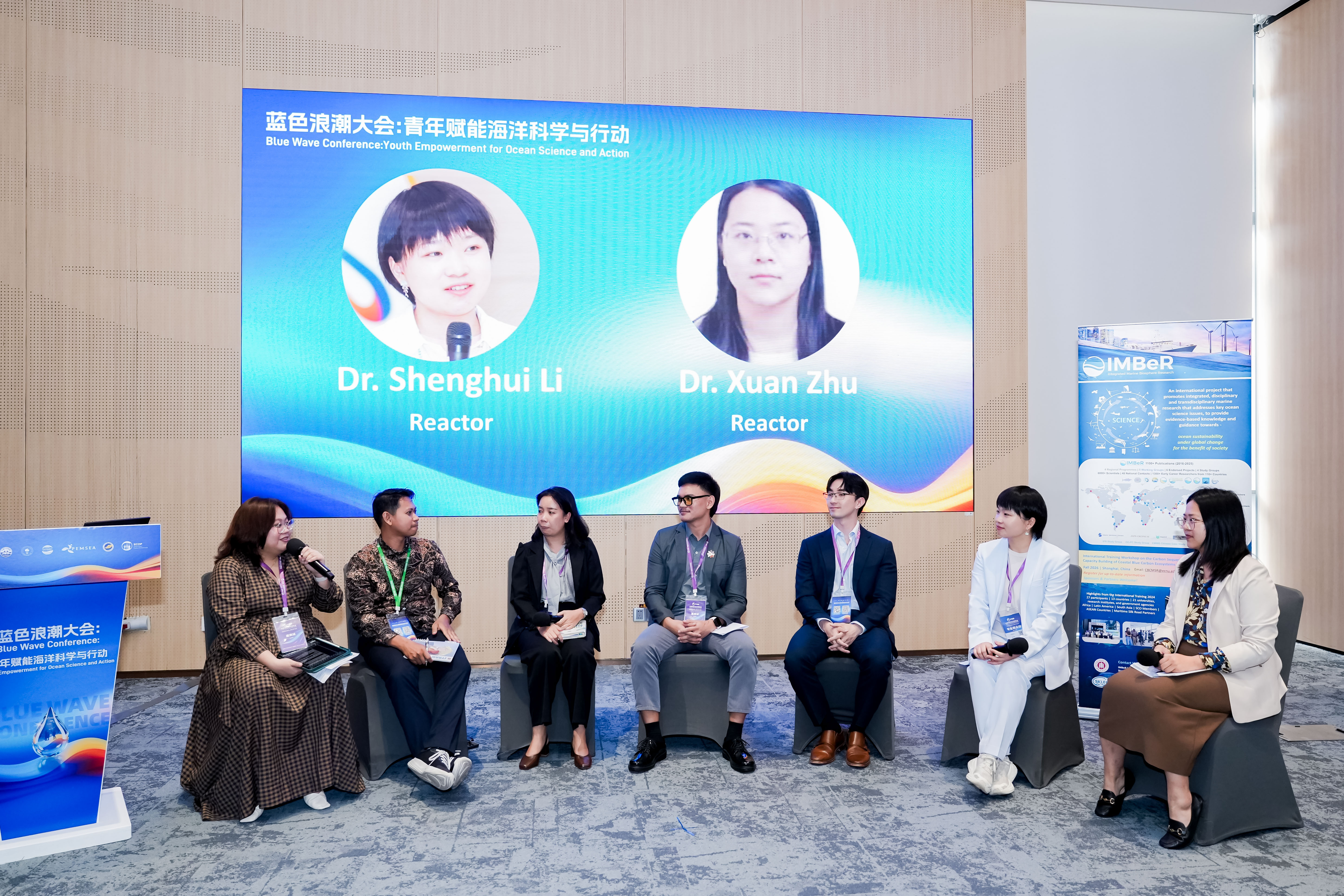
Young ocean leaders from across the East Asian Seas region gather at the Rising Tides, Rising Leaders: Youth Science and Action for a Resilient Ocean forum, organized by PEMSEA during the Blue Wave Conference in Shenzhen, China, on 30 October 2025.
Under the Sustainable Development Strategy for the Seas of East Asia (SDS-SEA) Implementation Plan 2023–2030, youth engagement is recognized within the broader objective of empowering stakeholders. The plan calls for the reinvigoration and institutionalization of the PEMSEA Network of Young Leaders (PNYL) as a sustainable mechanism for youth engagement in regional ocean governance.
Institutionalization means moving beyond one-off opportunities and building youth engagement into the way regional cooperation works.
The enhanced PEMSEA Young Leaders program intends to provide evidence and practical experience needed to inform that process. It will test different modalities of youth participation, strengthen the capacities of early-career ocean professionals, generate youth-led knowledge products, and develop a Youth Engagement and PNYL Roadmap for 2027–2032.
The roadmap is envisioned as a foundation for a more permanent youth engagement program, including its vision, objectives, program components, coordination arrangements, partnerships, and sustainability considerations.
Young professionals may participate in existing PEMSEA project activities, gaining direct exposure to technical discussions and learning from experts and partner institutions. The program also proposes youth-generated knowledge products, storytelling initiatives, capacity-building modules, exposure to EAS Partnership Council processes, and opportunities for young professionals to contribute to preparations for the EAS Congress 2027 Youth Forum.
They create a potential leadership pathway, one that connects learning with practice, participation with contribution, and youth voices with regional priorities.
Young people entering these fields today will eventually become the scientists, policymakers, practitioners, communicators, community leaders, and decision-makers shaping East Asian Seas cooperation.
Recent Articles
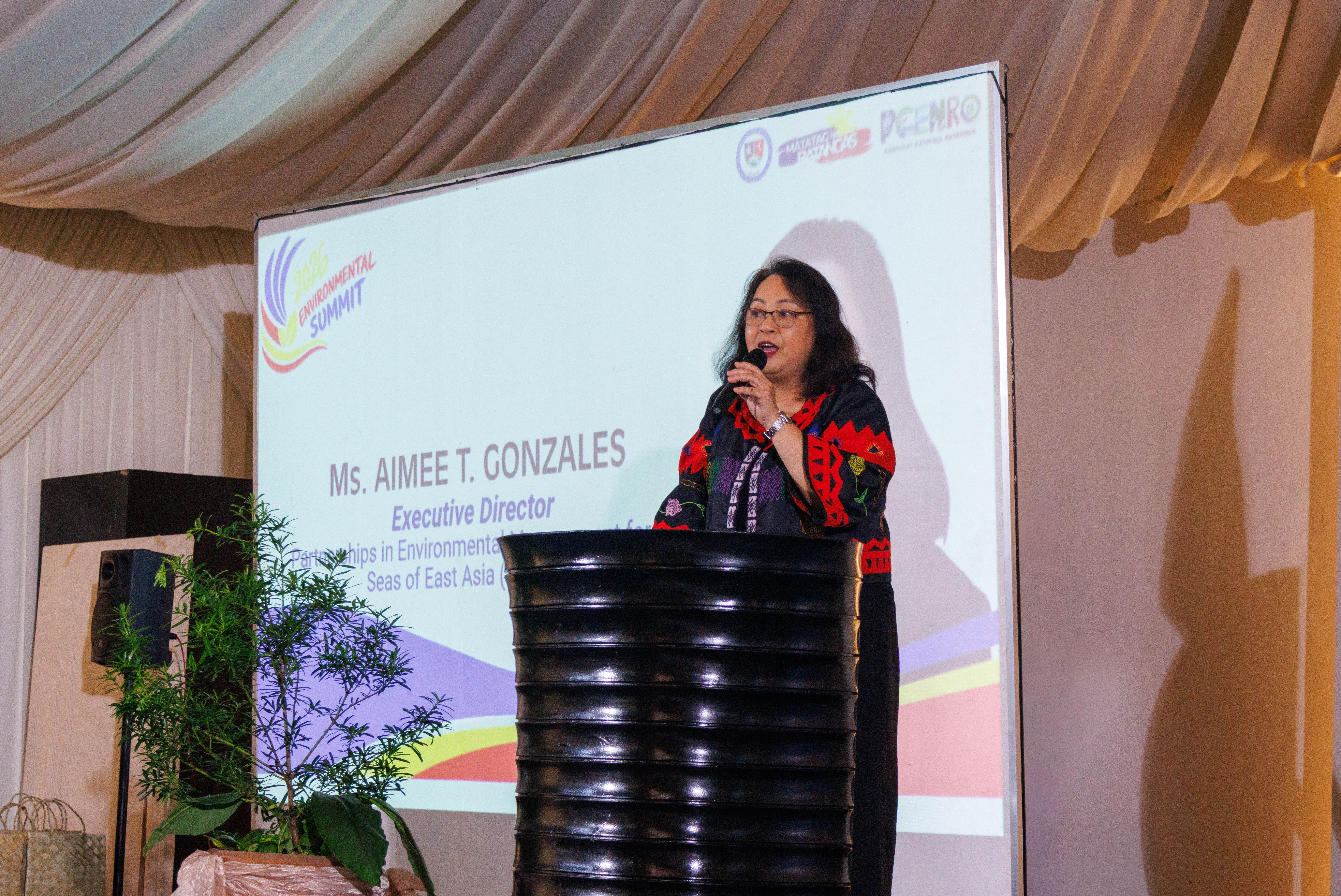
PEMSEA Recognized for Three Decades of Partnership with Batangas Province
Wednesday, 7 October 2026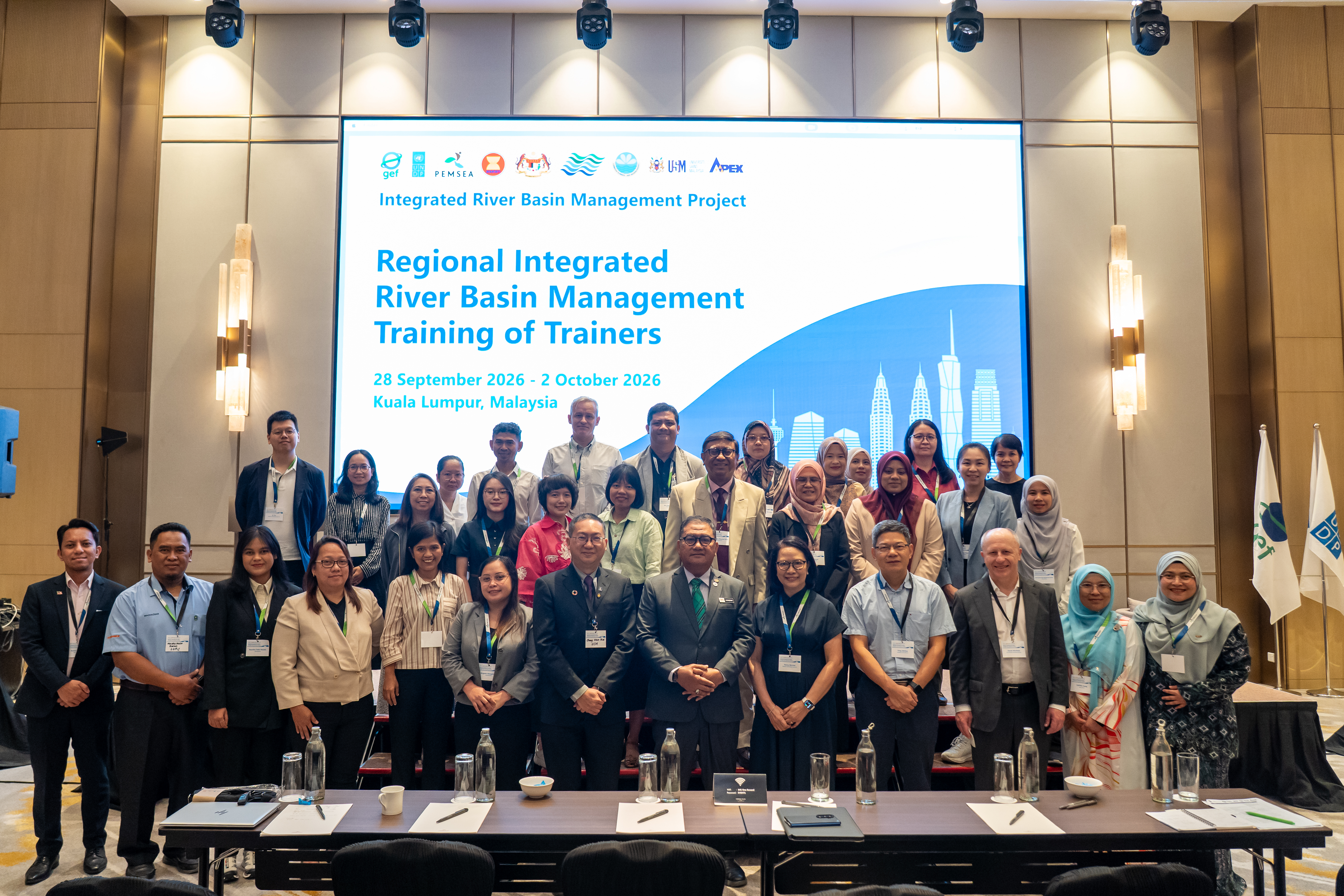
The GEF/UNDP/ASEAN IRBM Project Conducts the Regional Integrated River Basin Management Training of Trainers
Monday, 28 September 2026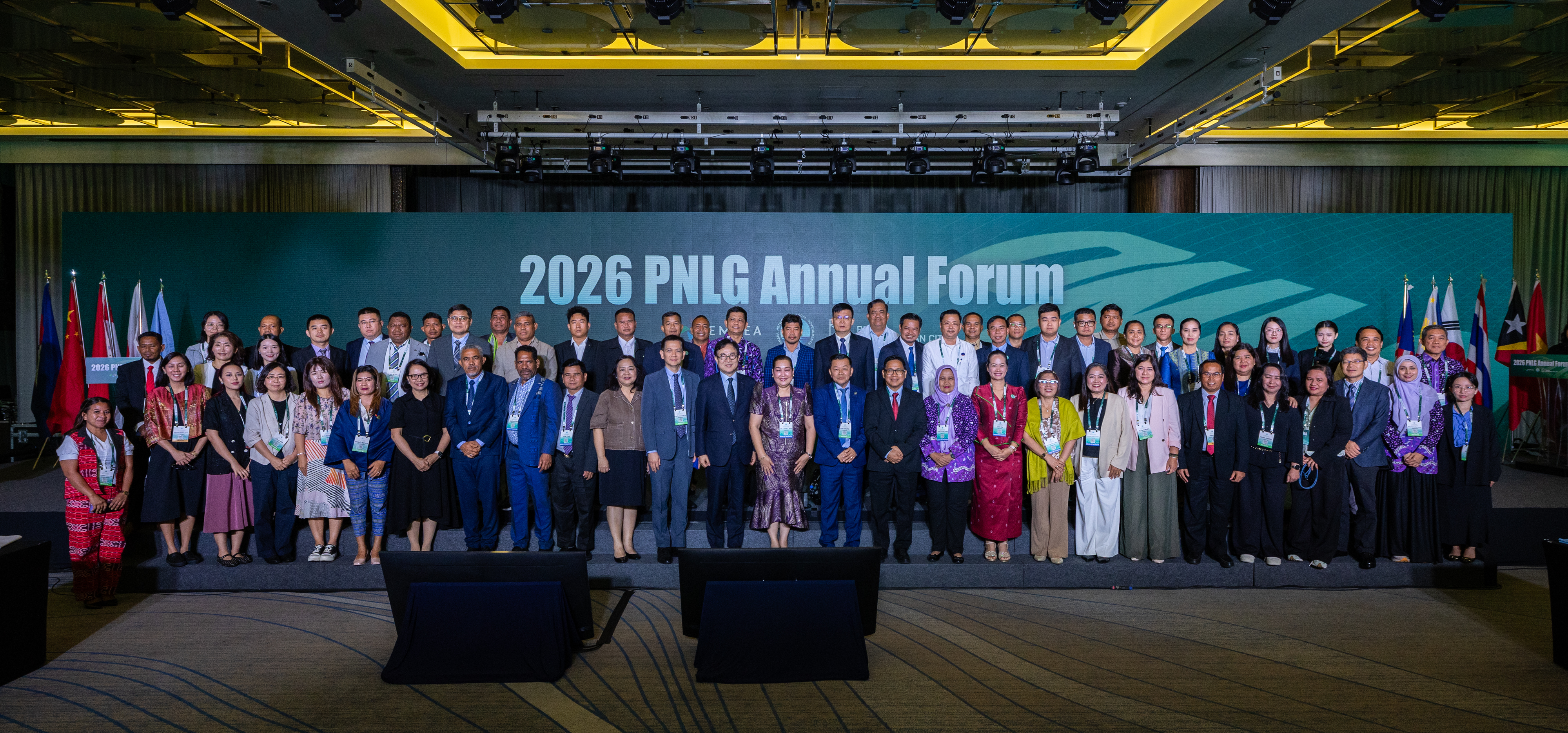
"Let This Forum Not Be Remembered for the Words We Spoke, but for the Actions We Inspire": PNLG President's Closing Message Calls for Action Beyond Busan, Republic of Korea
Monday, 21 September 2026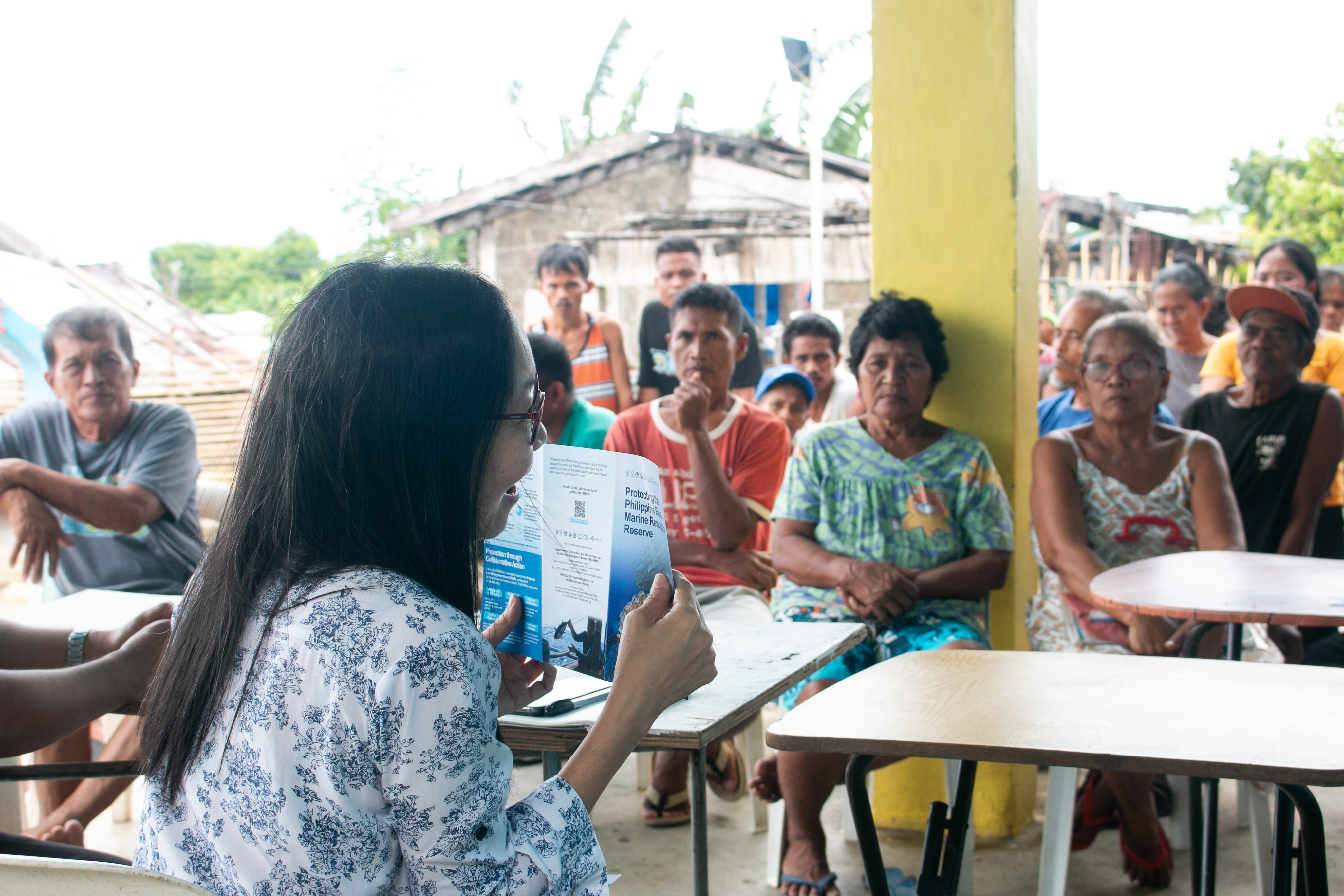
From north to south, local stakeholders convene to protect the Philippine Rise under the PRICELESS Project
Monday, 21 September 2026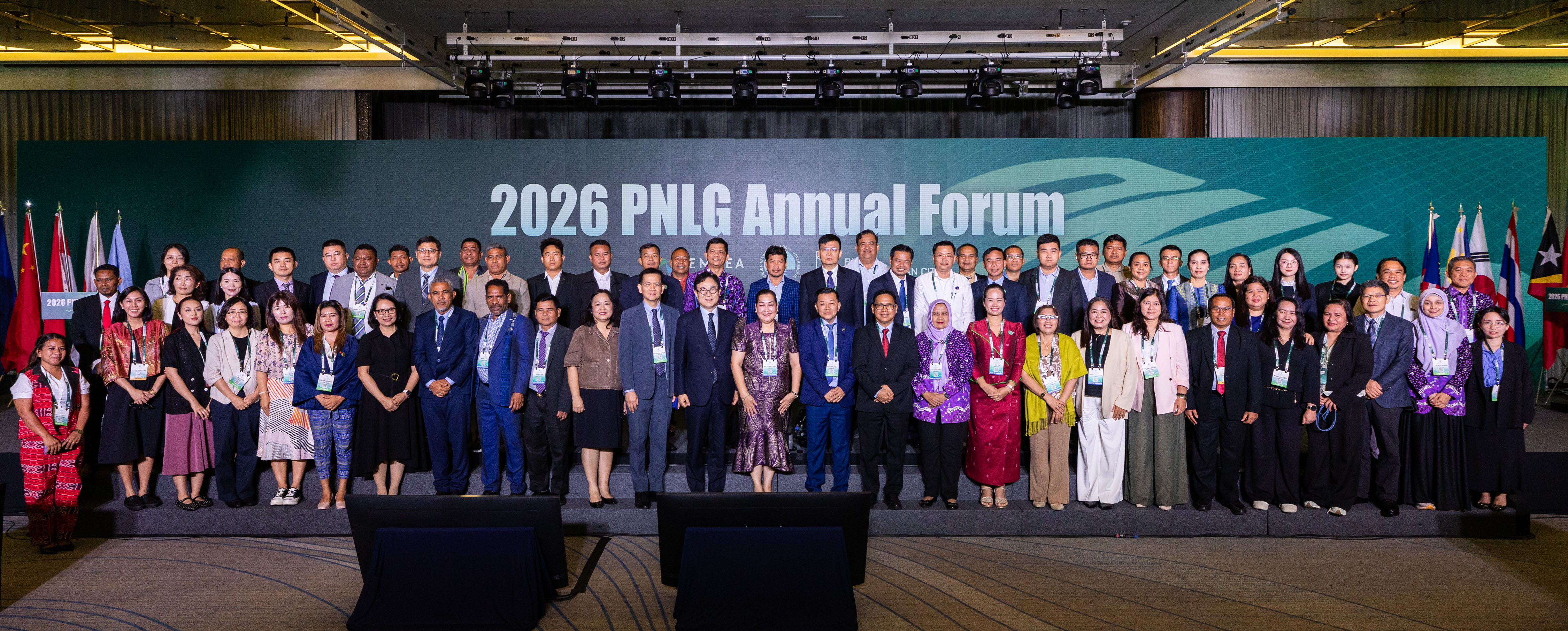
PNLG General Assembly Adopts Busan Declaration, Welcomes Atauro Island as New Member
Wednesday, 9 September 2026