
The GEF/UNDP/ASEAN IRBM Project Conducts Technology Needs Assessment for Food and Biodegradable Waste Management in the Pasac–Guagua Watershed
Friday, 30 October 2026
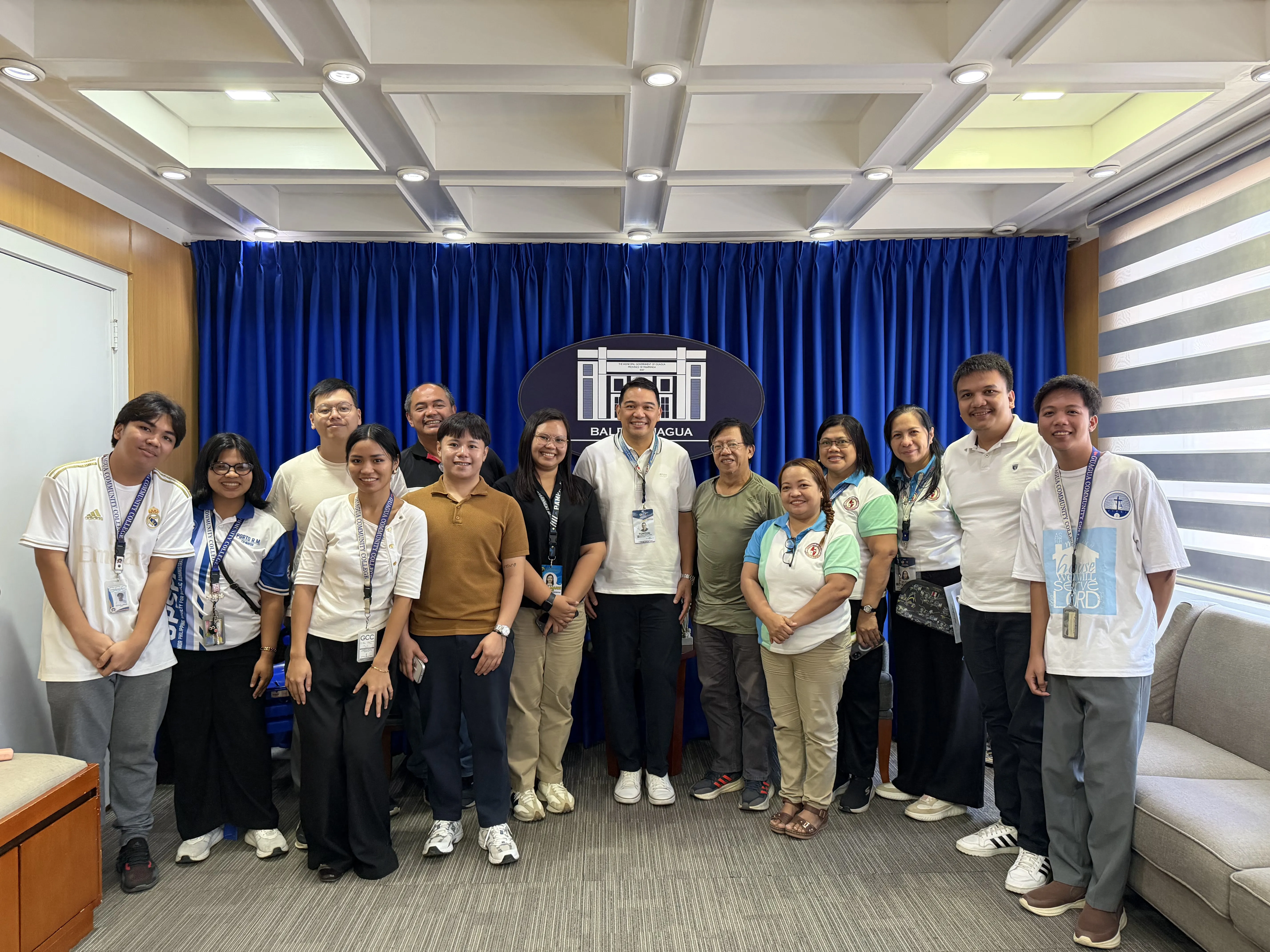
The Regional Project Management Unit together with representatives from the Pampanga PG-ENRO paid a courtesy visit to Guagua Municipal Mayor Anthony Joseph Torres. Photo by Orange Omengan/PEMSEA
Pampanga, Philippines — The GEF/UNDP/ASEAN Integrated River Basin Management (IRBM) Project, in partnership with the Pampanga Provincial Government – Environment and Natural Resources Office (PG-ENRO), conducted a Technology Needs Assessment (TNA) for food and biodegradable waste management in the Pasac–Guagua Watershed from 6 to 22 October 2026.
The Pasac-Guagua Watershed, one of the Project’s priority river basins in the Philippines, covers 10 municipalities in the province of Pampanga: Bacolor, Floridablanca, Guagua, Lubao, Macabebe, Masantol, Minalin, Porac, Santa Rita, and Sasmuan. According to the Pampanga Provincial Solid Waste Management Plan 2022–2031, a Waste Analysis and Characterization Study (WACS) found that biodegradable waste accounts for approximately 49 percent of total waste generation in the province, highlighting opportunities to strengthen waste diversion, reduce residual waste volumes, and minimize disposal costs.
As part of the assessment, the Project reviewed the provincial, city, and municipal solid waste management plans and available waste data to establish baseline information on existing waste management practices in the watershed. The Project also conducted field visits to municipalities within the watershed, where the team met with local government officials and visited barangays, public markets, schools, and materials recovery facilities to examine existing waste collection, segregation, processing, and disposal practices.
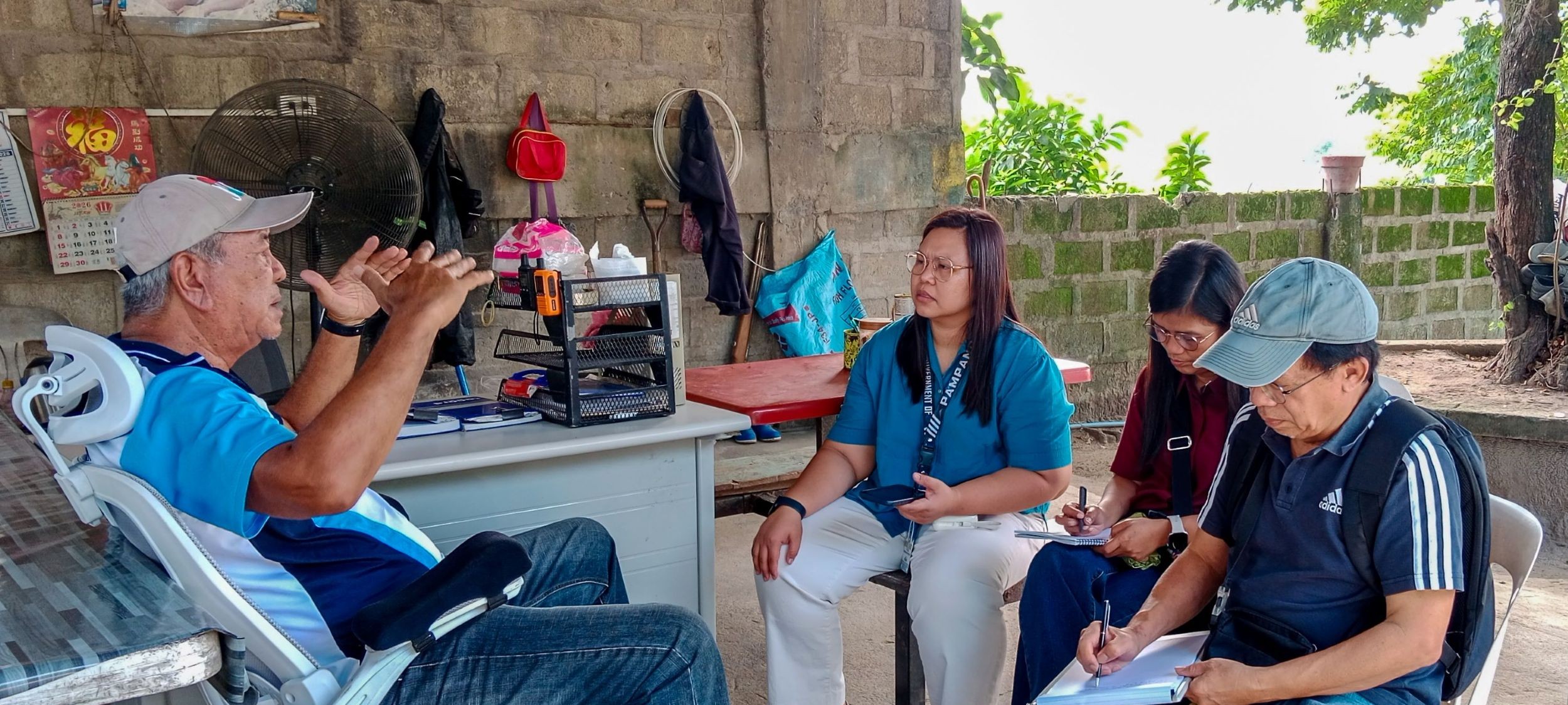 | 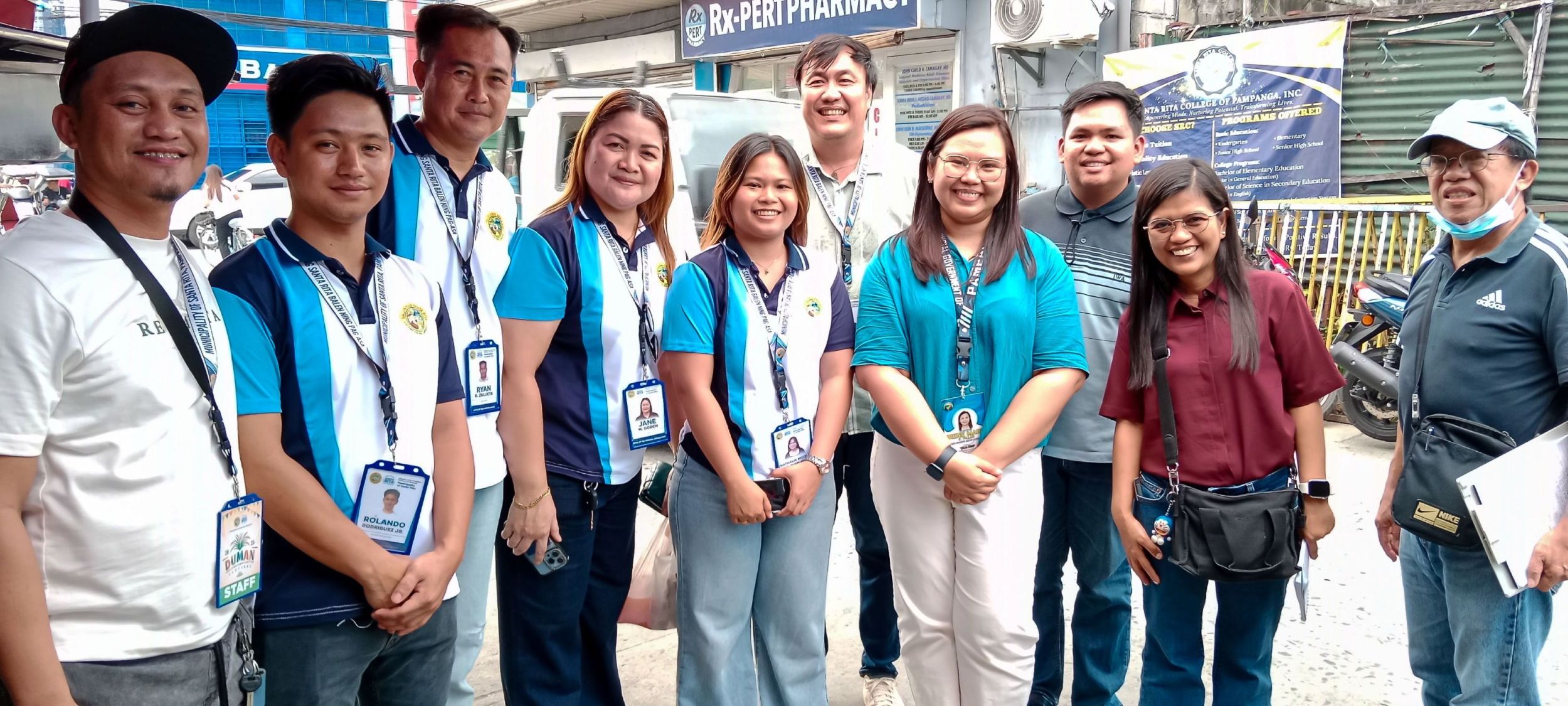 |
(Left) Site visit and discussion at the Centralized Materials Recovery Facility in Santa Rita. (Right) Site visit at the Santa Rita public market.
Photos by Daisy Padayao/PEMSEA
Discussions highlighted existing local initiatives, including composting, school and community gardening, and the use of food waste as animal feed. Challenges identified during the visits included limited waste segregation at source, inadequate processing facilities and equipment, high collection and disposal costs, and disruptions to waste management operations during flooding.
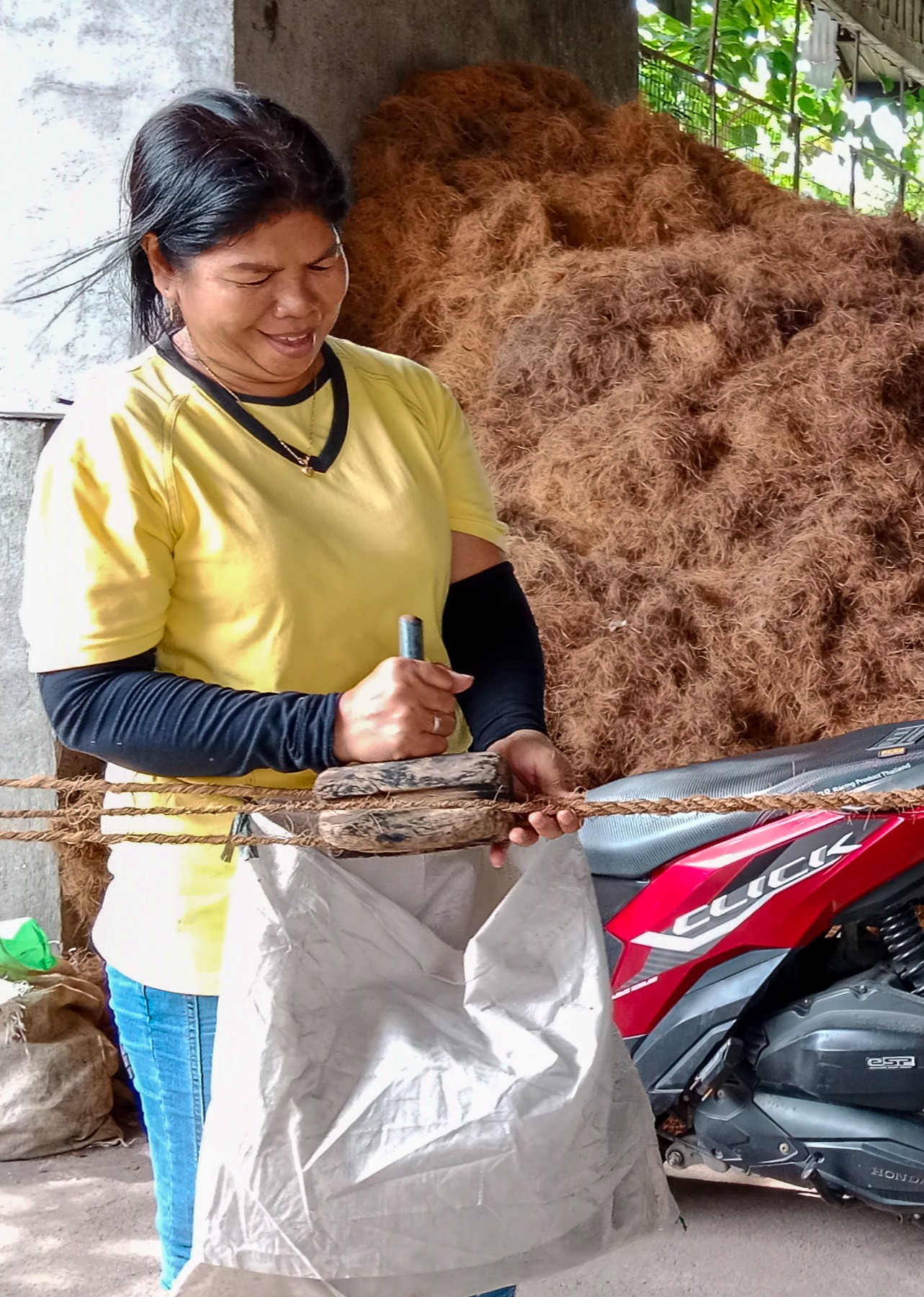 | 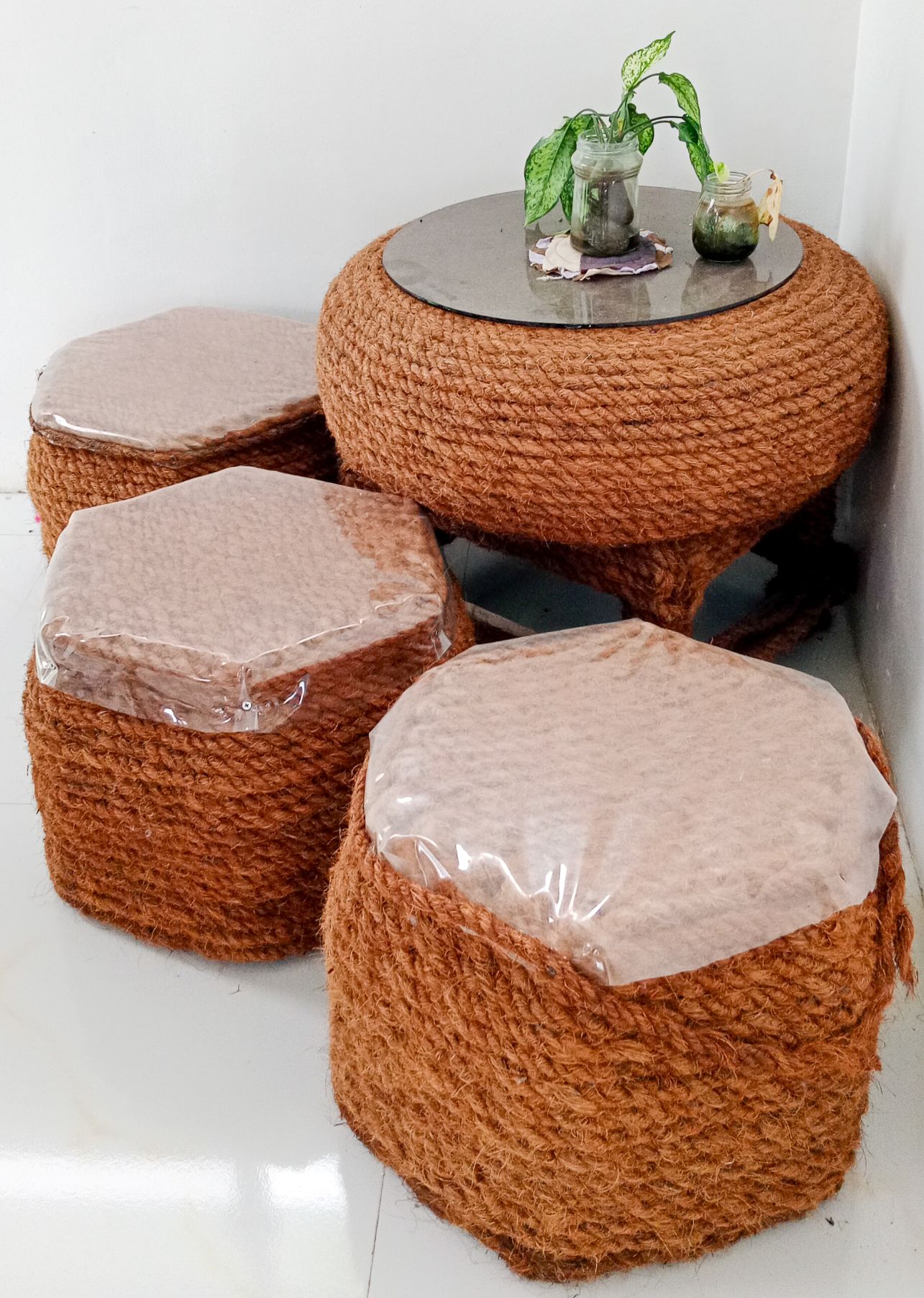 |
Coconut husks are repurposed into furniture as part of the LGU’s initiatives to recycle biodegradable waste in Floridablanca, Pampanga.
Photos by Daisy Padayao/PEMSEA
Information gathered through the assessment will inform the identification and evaluation of feasible technologies for food and biodegradable waste management, taking into consideration local needs, existing capacities, and implementation requirements. The assessment is intended to support efforts to improve waste management practices and reduce pollution entering the watershed.
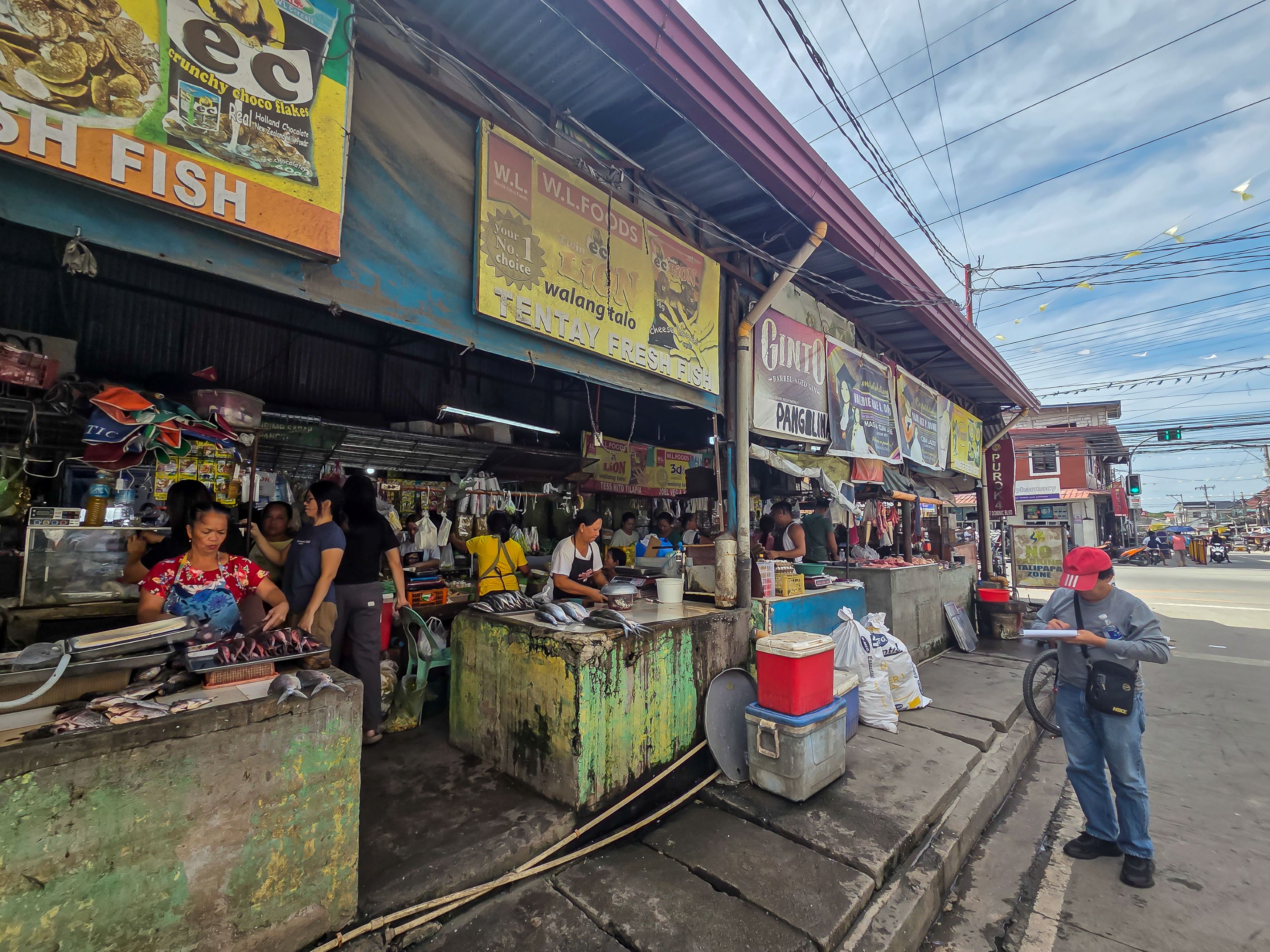 | 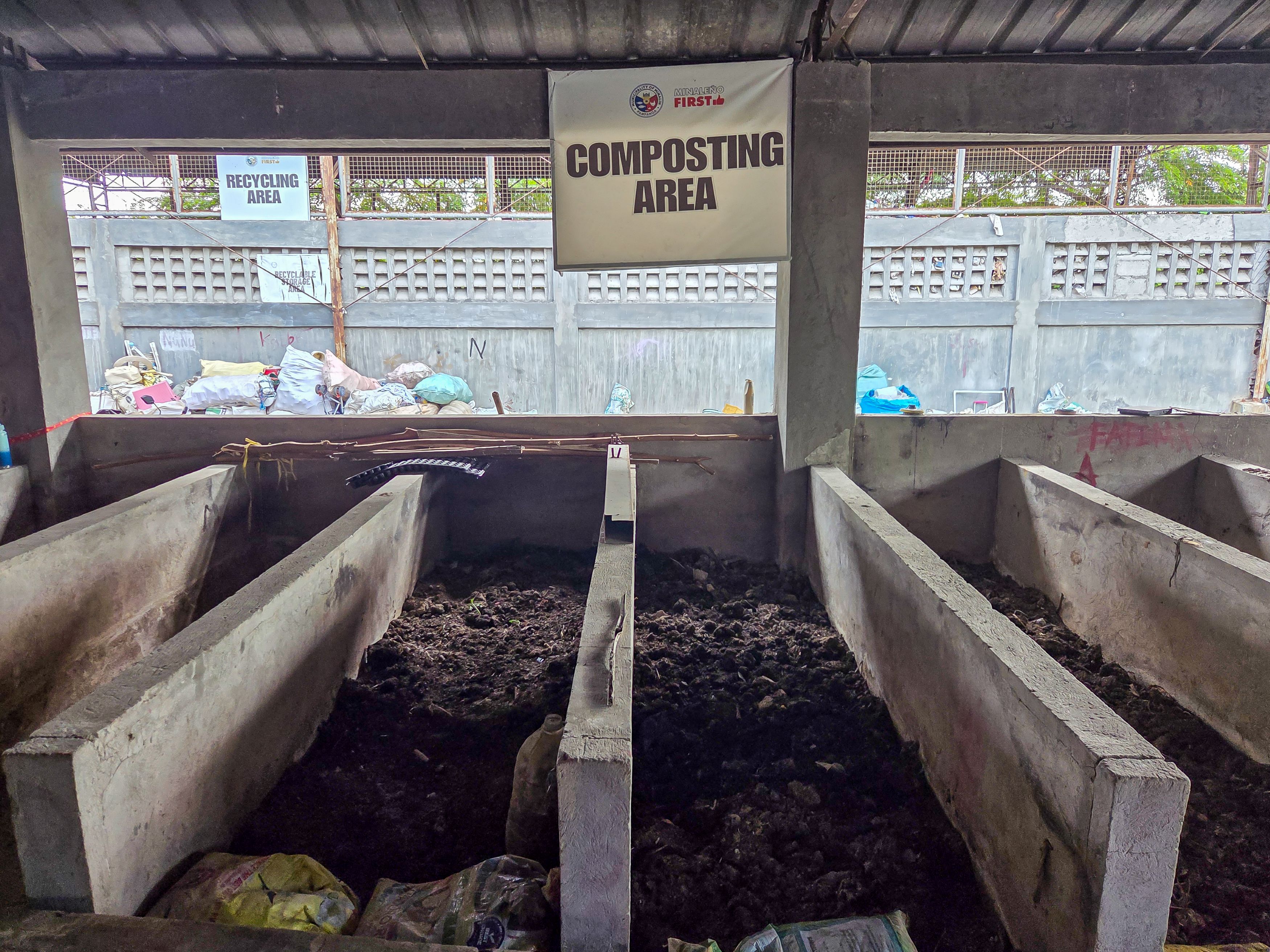 |
(Left) Market in Barangay Sto. Domingo in the municipality of Minalin, where biodegradable waste is collected for composting. (Right) Composting area at the Materials Recovery Facility in Minalin, Pampanga.
Photos by Earl Justin Tiu/PEMSEA
About the Project
Supported by the Global Environment Facility, the Integrated River Basin Management (IRBM) Project is working to establish functional management mechanisms in priority river basins across six ASEAN countries to reduce pollution, sustain freshwater environmental flows, and strengthen resilience to climate change. The regional Project is implemented by the United Nations Development Programme Bangkok Regional Hub and executed by Partnerships in Environmental Management for the Seas of East Asia, in collaboration with ASEAN.
Recent Articles
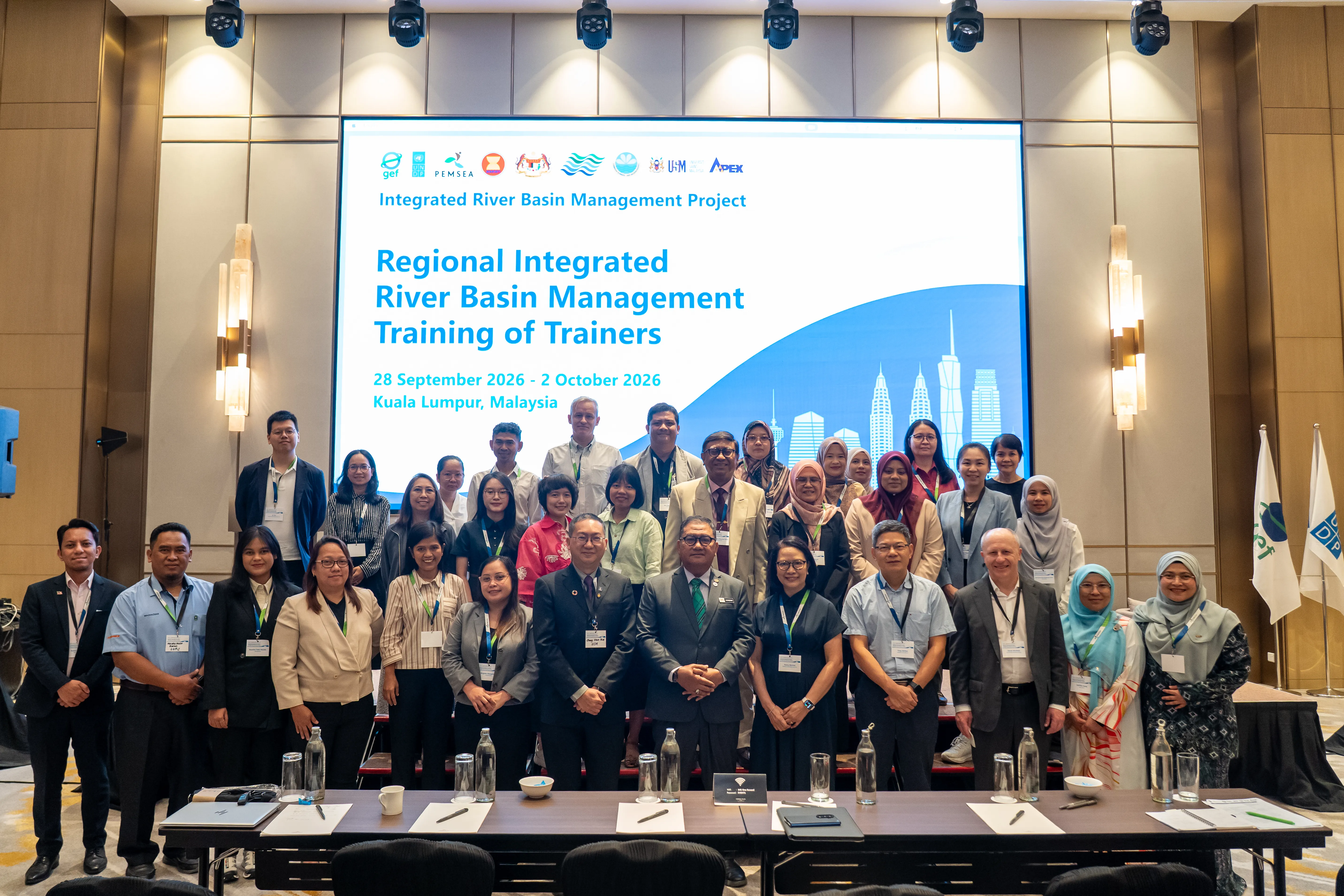
The GEF/UNDP/ASEAN IRBM Project Conducts the Regional Integrated River Basin Management Training of Trainers
Friday, 30 October 2026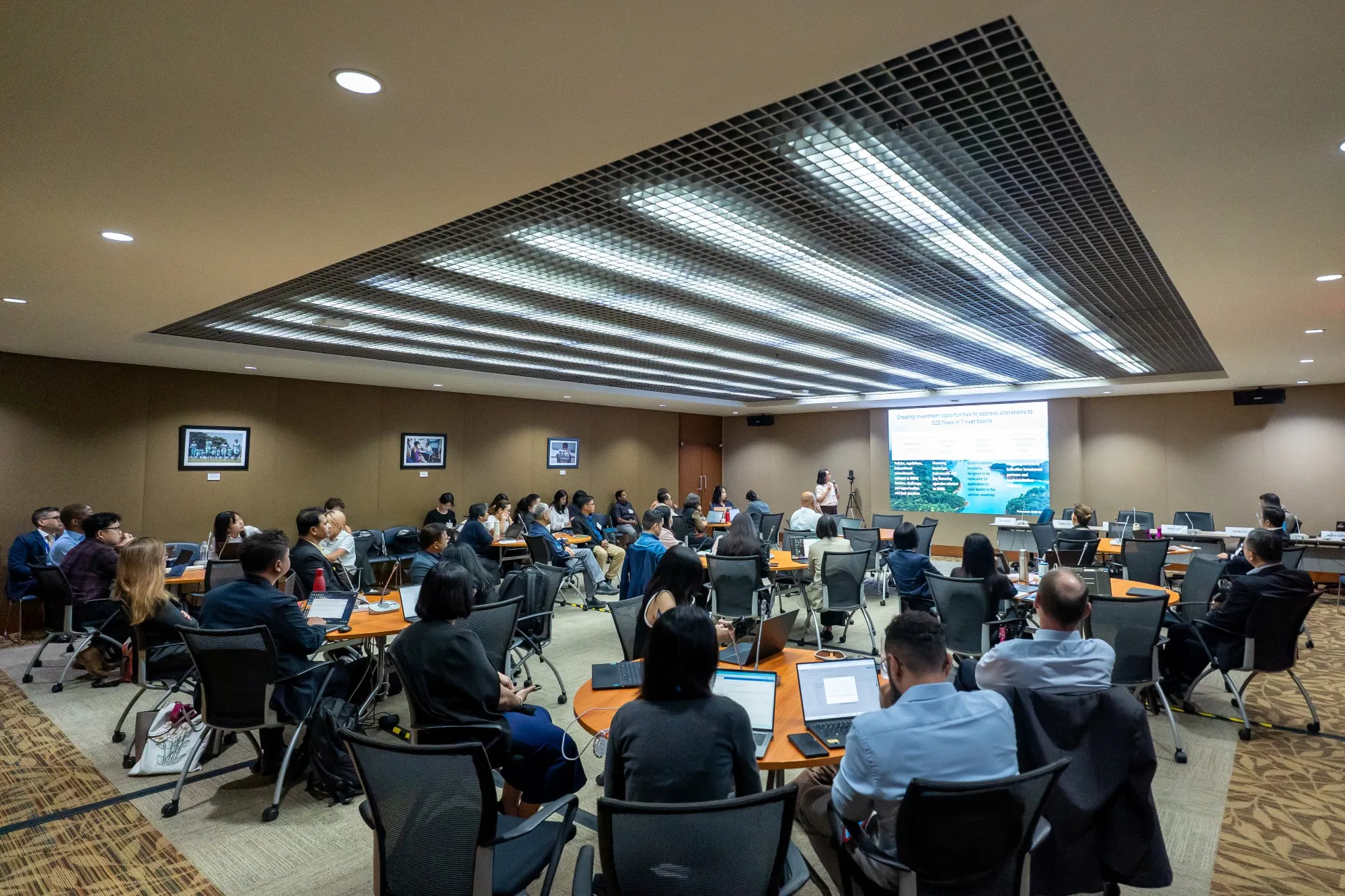
The GEF/UNDP/ASEAN IRBM Project Highlights Source-to-Sea Approach at Asia-Pacific Ocean Week 2026
Friday, 30 October 2026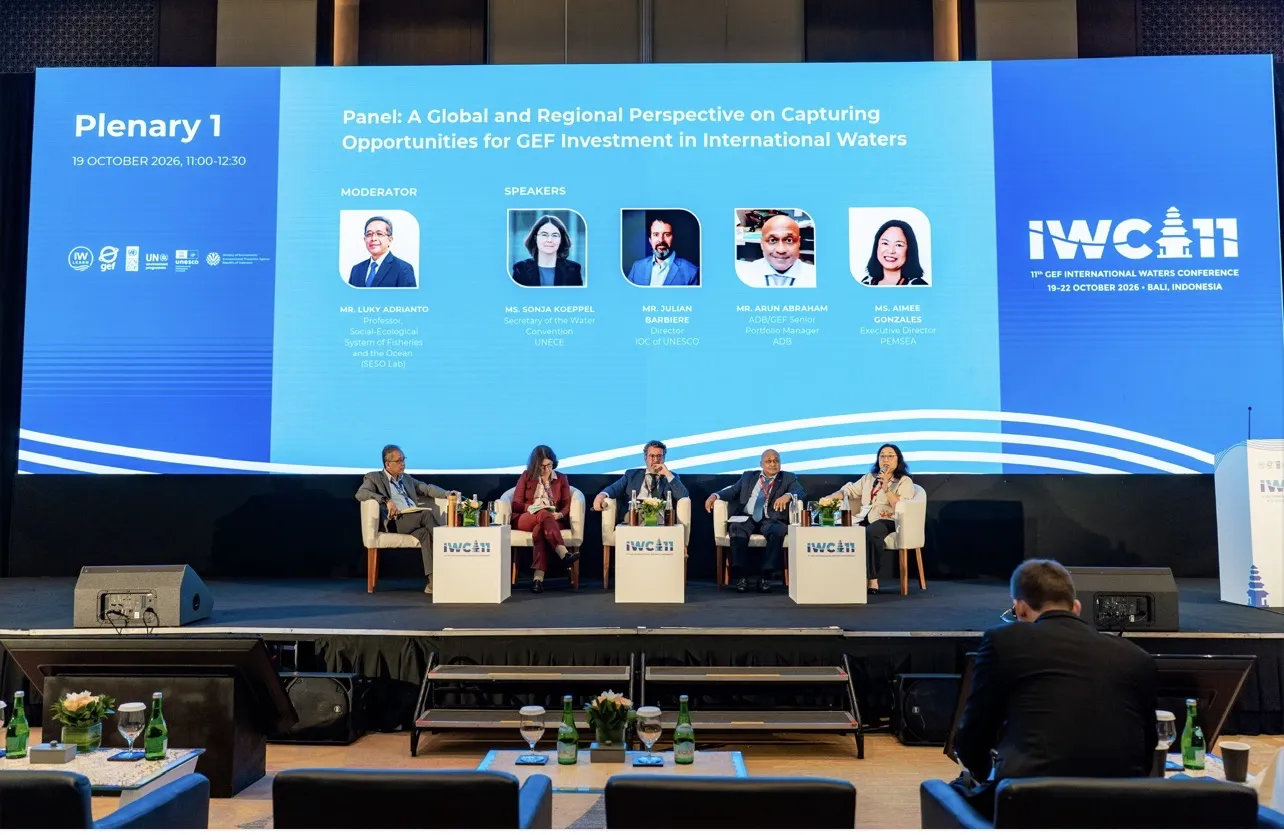
PEMSEA Brings Regional Perspectives on Ocean Governance at 11th International Waters Conference
Friday, 30 October 2026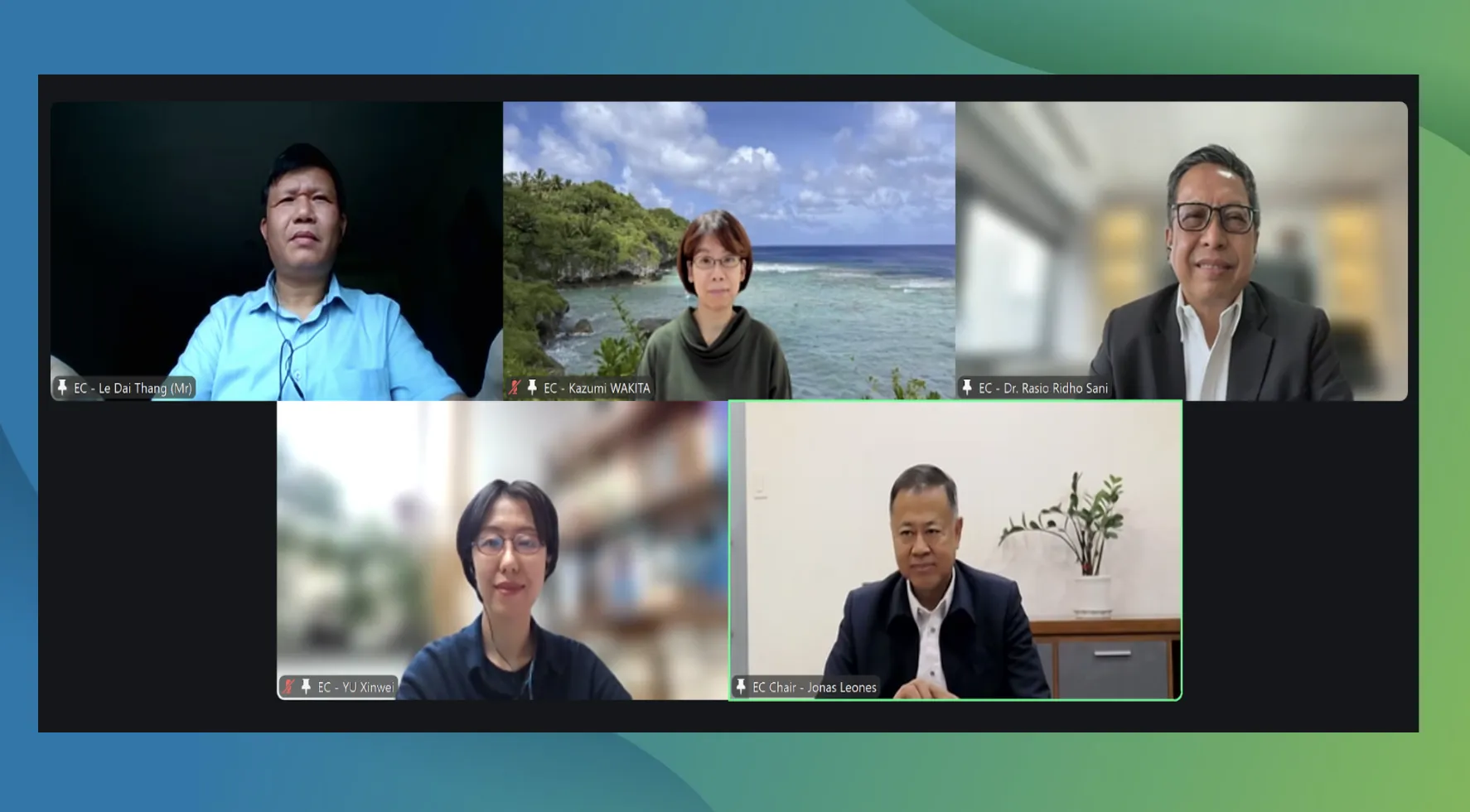
PEMSEA Holds 36th Executive Committee Meeting to Review Regional Priorities for 2027
Thursday, 29 October 2026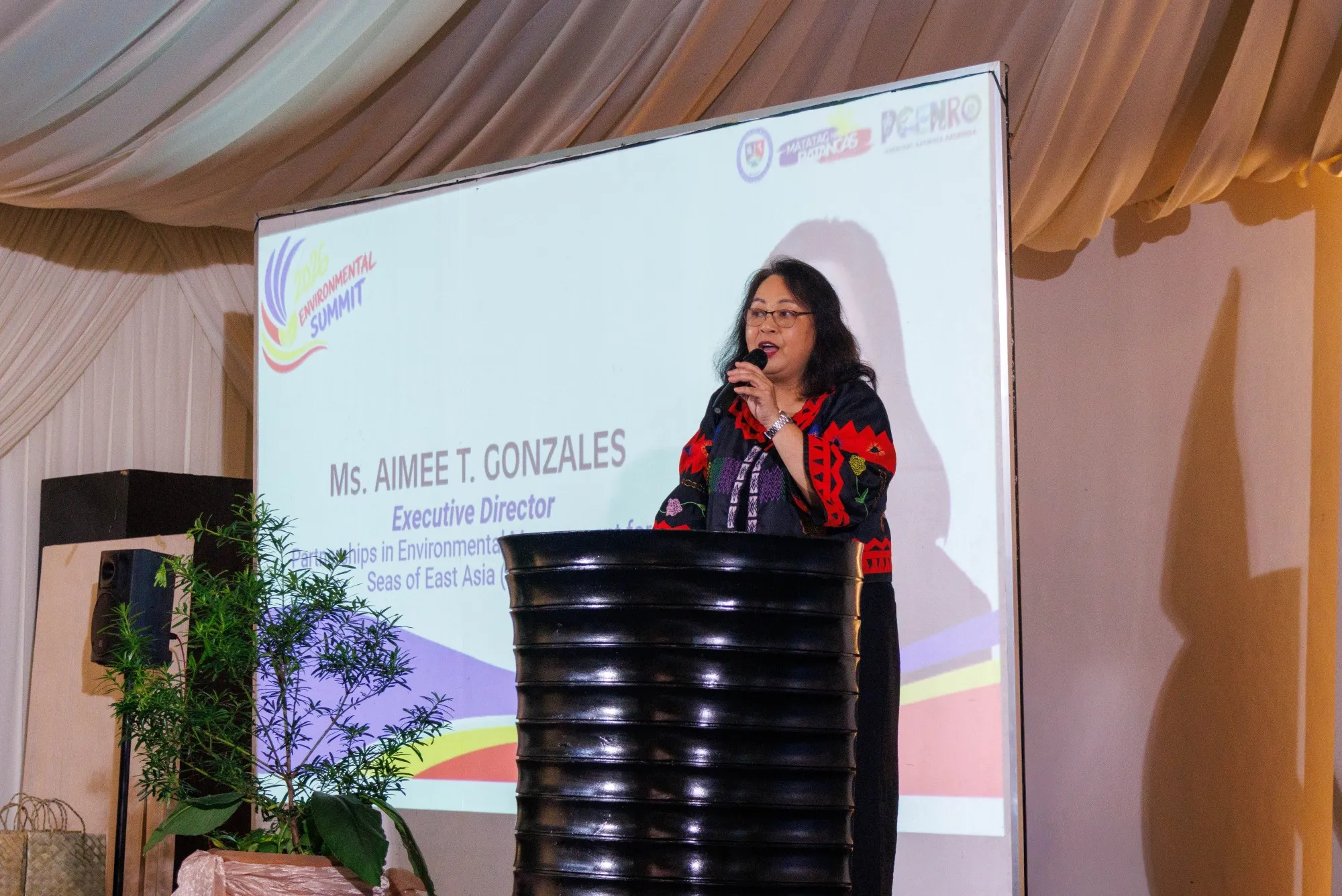
PEMSEA Recognized for Three Decades of Partnership with Batangas Province
Wednesday, 7 October 2026