
Philippine Rise Marine Resource Reserve Set for Stronger Protection Under CI-GEF-DENR-BMB PRICELESS Project
Monday, 2 February 2026
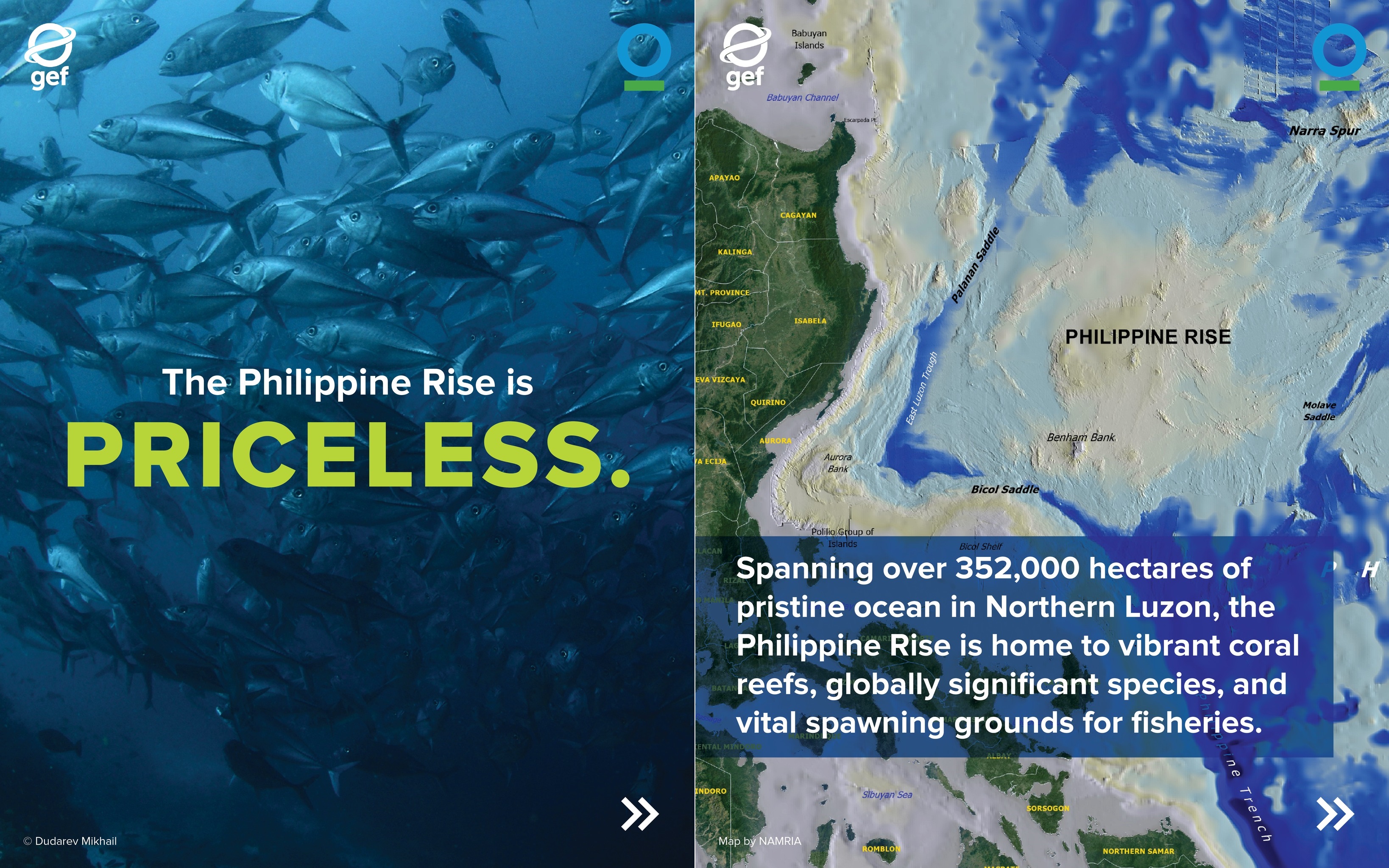
Far off the northeastern coast of Luzon, beneath the Philippine Sea, lies the vast underwater plateau known as the Philippine Rise. Its seamounts and deep-blue canyons shelter rich coral reefs, tuna spawning grounds, and marine ecosystems that sustain livelihoods across northern and eastern Philippine regions. Invisible from shore, the plateau shapes fisheries, ocean currents, and even regional climate patterns. Its ecological wealth is both an economic lifeline for coastal communities and a high-stakes frontier for conservation and governance.
A section of this underwater expanse has been formally designated as the Philippine Rise Marine Resource Reserve (PRMRR). Established under Presidential Proclamation No. 489 in 2018, the PRMRR covers roughly 352,000 hectares, including a Strict Protection Zone of nearly 50,000 hectares, where human activity is tightly controlled. Surrounding it is a 303,000-hectare Multiple Use Zone, co-managed by the Department of Environment and Natural Resources (DENR) and the Bureau of Fisheries and Aquatic Resources (BFAR), where regulated fishing and other sustainable activities are allowed.
However, rising illegal and unregulated fishing (IUU) continues to strain the PRMRR, where distance and scale make enforcement costly. Overlapping agency mandates and the lack of full ENIPAS designation further constrain coordination, funding, and staffing, while data gaps and uneven stakeholder awareness continue to hinder effective management.
As economic realities amplify the pressure, coastal communities remain heavily dependent on fishing, with few alternatives during slow seasons. At the same time, demand for offshore resources including fisheries, minerals, and energy continues to grow. Balancing conservation, enforcement, and economic opportunity will be critical to ensuring the PRMRR can sustain livelihoods, protect food security, and preserve its marine ecosystems for the long term.
A Commitment to Stronger Management
The government of the Philippines/DENR, through Conservation International GEF Agency (CI-GEF) and with execution support from Partnerships in Environmental Management for the Seas of East Asia (PEMSEA), leads PRICELESS- a Global Environment Facility funded project under its 7th replenishment cycle.
The PRICELESS Project will be leading the efforts to strengthen management across the PRMRR, safeguarding both ecological and economic value to protect globally significant biodiversity while supporting sustainable economic activity in adjacent coastal communities.
Securing full designation under the Expanded National Integrated Protected Area System (ENIPAS) would enable permanent staffing, sustained funding, and legal enforcement authority, putting the PRMRR as the first deep-sea coral reef in the Philippines to attain this status.
Full ENIPAS recognition would also support the implementation of long-term, science-driven management plans, while helping harmonize overlapping agency mandates, streamline decision-making, and reduce resource-use conflicts.
Promoting Sustainable Use and Strengthening Enforcement
In the MUZ, the project promotes sustainable resource use while providing alternative livelihood options. Training programs and support encourage environmentally responsible fishing, while complementary activities such as aquaculture and ecotourism reduce pressure on critical fish stocks and generate income beyond traditional fishing.
Fishing associations serve as conduits for education, compliance monitoring, and enforcement, helping reduce illegal, unreported, and unregulated fishing. Through coordinated incentives and enforcement, the PRMRR aims to safeguard both the local economy and its rich marine ecosystems.
Multi-Sector, Multi-Agency
Effective management of the PRMRR anchors on multistakeholder coordination and engagement. The PRICELESS Project brings together DENR–BMB, BFAR, local governments from of Regions II, III, IV-A and V (including the provinces of Cagayan,Isabela, Aurora, Quezon, Camarines Norte, Camarines Sur and Catanduanes), academic institutions, and conservation groups to align mandates, share resources, and strengthen enforcement in an area long challenged by IUU fishing.
Full designation under the Expanded National Integrated Protected Area System will establish a permanent Protected Area Management Board, which can provide sustained financing, clearer authority, and stronger oversight for the offshore reserve.
Science anchors the effort, with the project closing data gaps on biodiversity, fisheries, and emerging threats across zones that include mesophotic coral reefs, key tuna spawning grounds, and vulnerable species.
Led by DENR–BMB and co-chaired by the Bureau of Fisheries and Aquatic Resources and guided by a steering committee, the project connects national policy to on-the-water management in the Philippine Rise.
Enforcement coordination and maritime security involve the Philippine Navy, Philippine Coast Guard, and PNP-MG, supported by research and academic expertise from UP Marine Science Institute. Development partners Rare and Haribon contribute public awareness, sustainable livelihood programs, and technical support.
A Pre-Inception and Inception workshop (Rising Together: Launching and Inception Event of the PRICELESS Project) on 3-4 February, 2026, will formally launch the project, bringing together stakeholders to introduce its objectives, activities, and expected outcomes.
Recent Articles
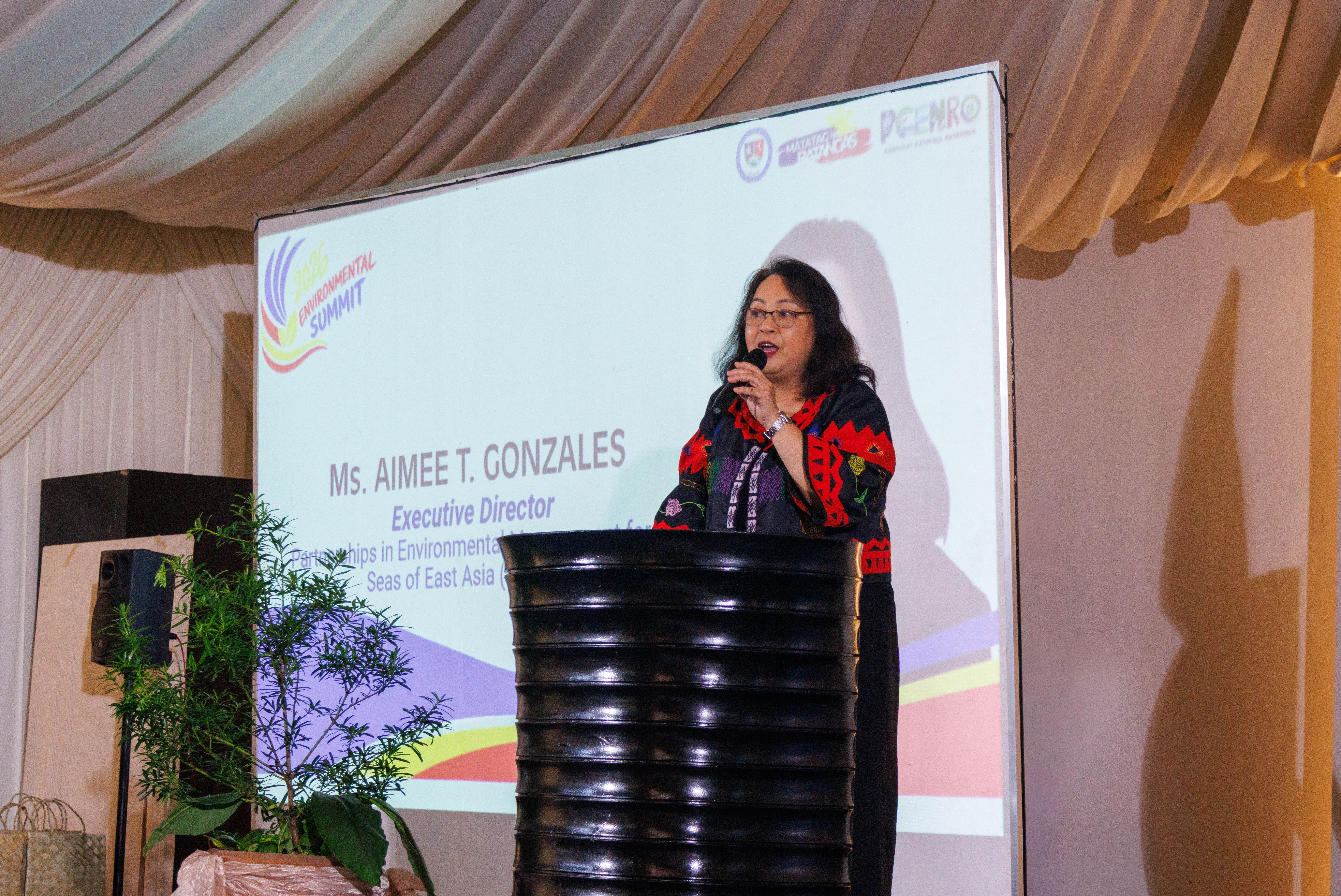
PEMSEA Recognized for Three Decades of Partnership with Batangas Province
Wednesday, 7 October 2026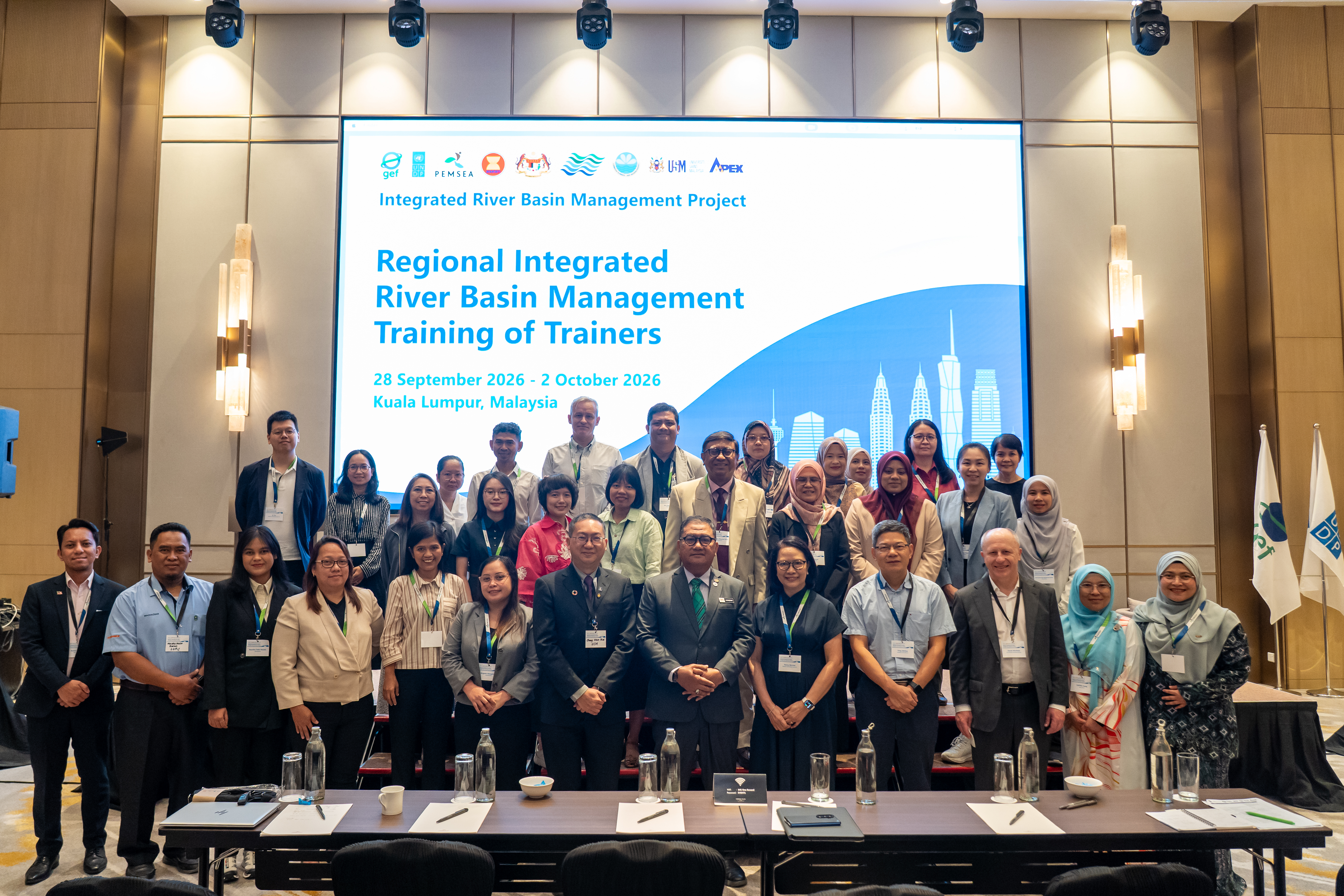
The GEF/UNDP/ASEAN IRBM Project Conducts the Regional Integrated River Basin Management Training of Trainers
Monday, 28 September 2026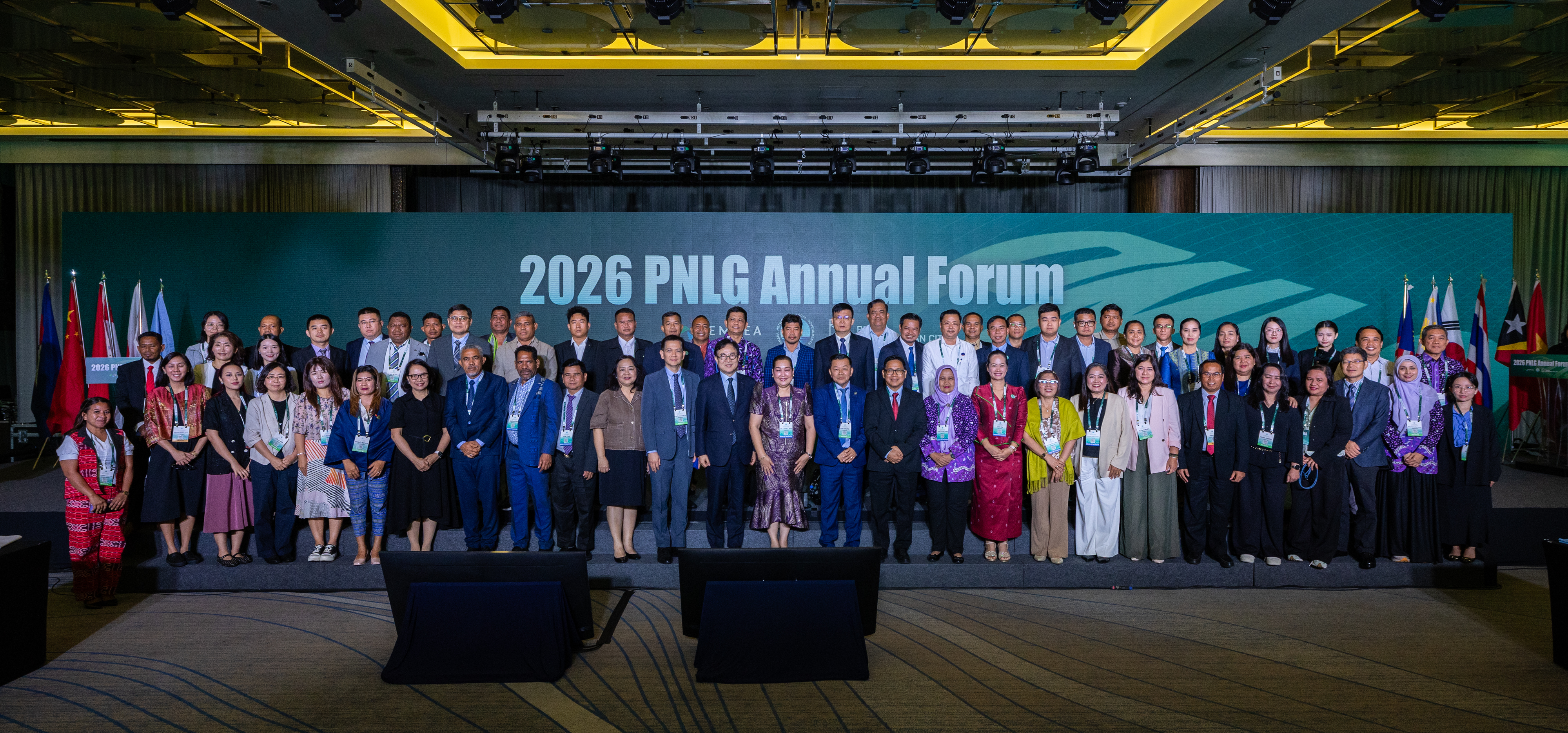
"Let This Forum Not Be Remembered for the Words We Spoke, but for the Actions We Inspire": PNLG President's Closing Message Calls for Action Beyond Busan, Republic of Korea
Monday, 21 September 2026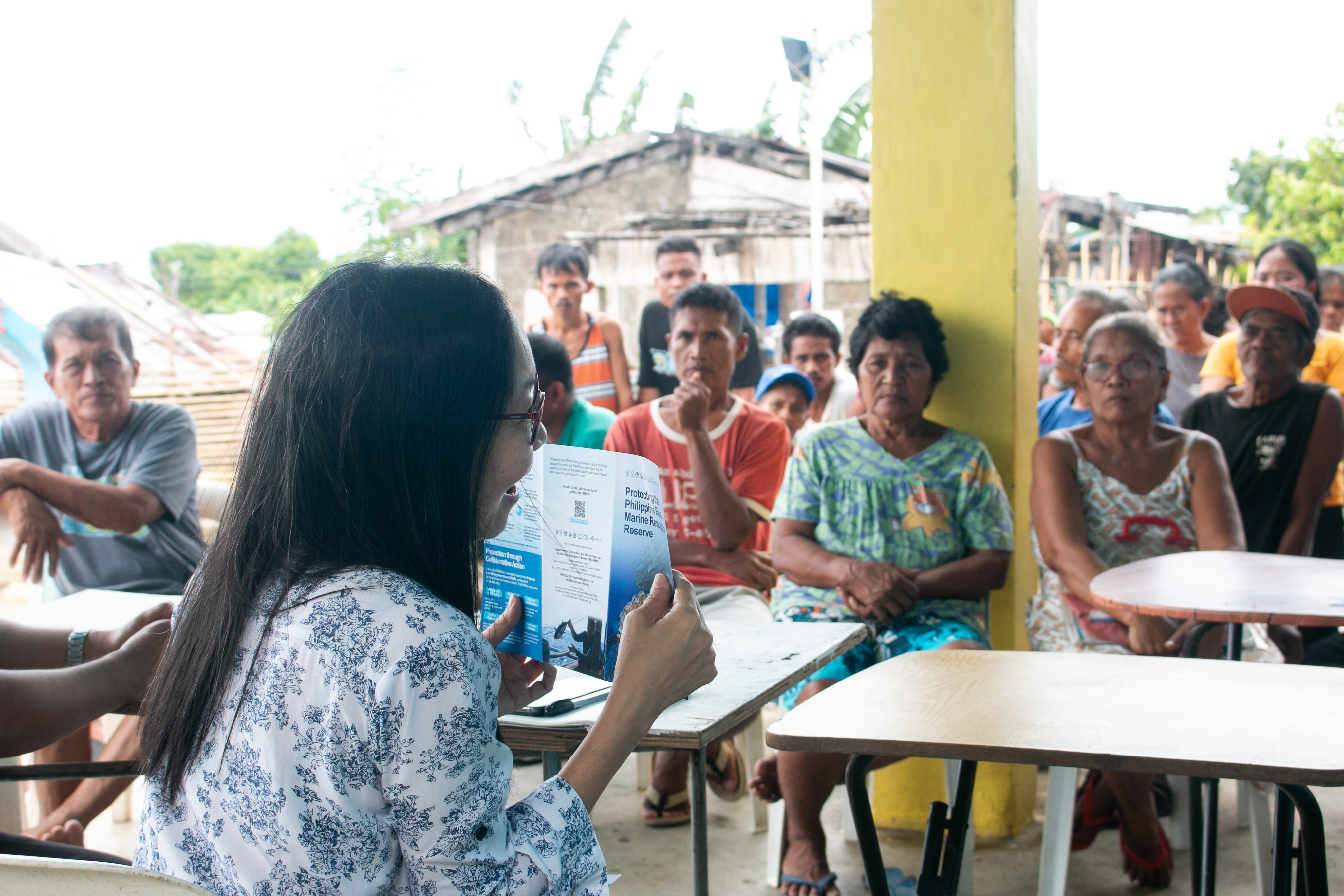
From north to south, local stakeholders convene to protect the Philippine Rise under the PRICELESS Project
Monday, 21 September 2026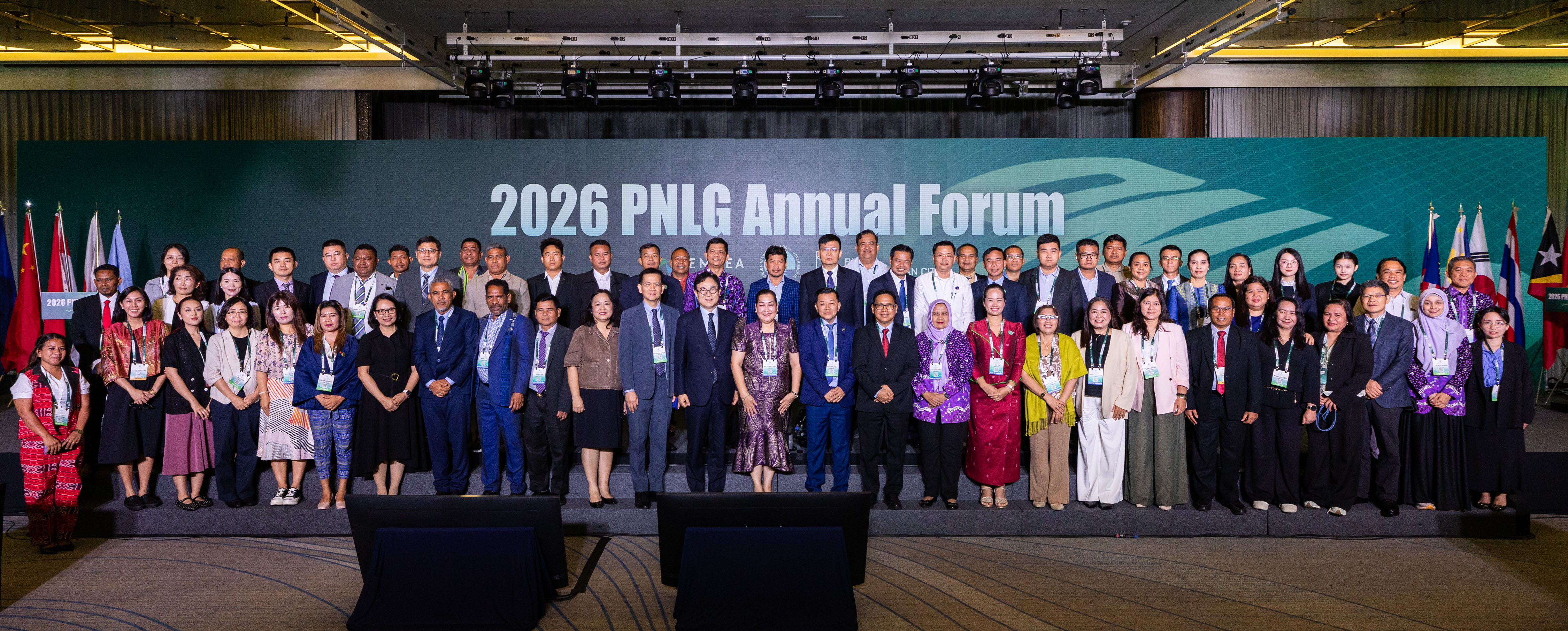
PNLG General Assembly Adopts Busan Declaration, Welcomes Atauro Island as New Member
Wednesday, 9 September 2026