
The GEF/UNDP/ASEAN IRBM Project Convenes Regional Workshop on Environmental Monitoring and Reporting
Tuesday, 11 August 2026
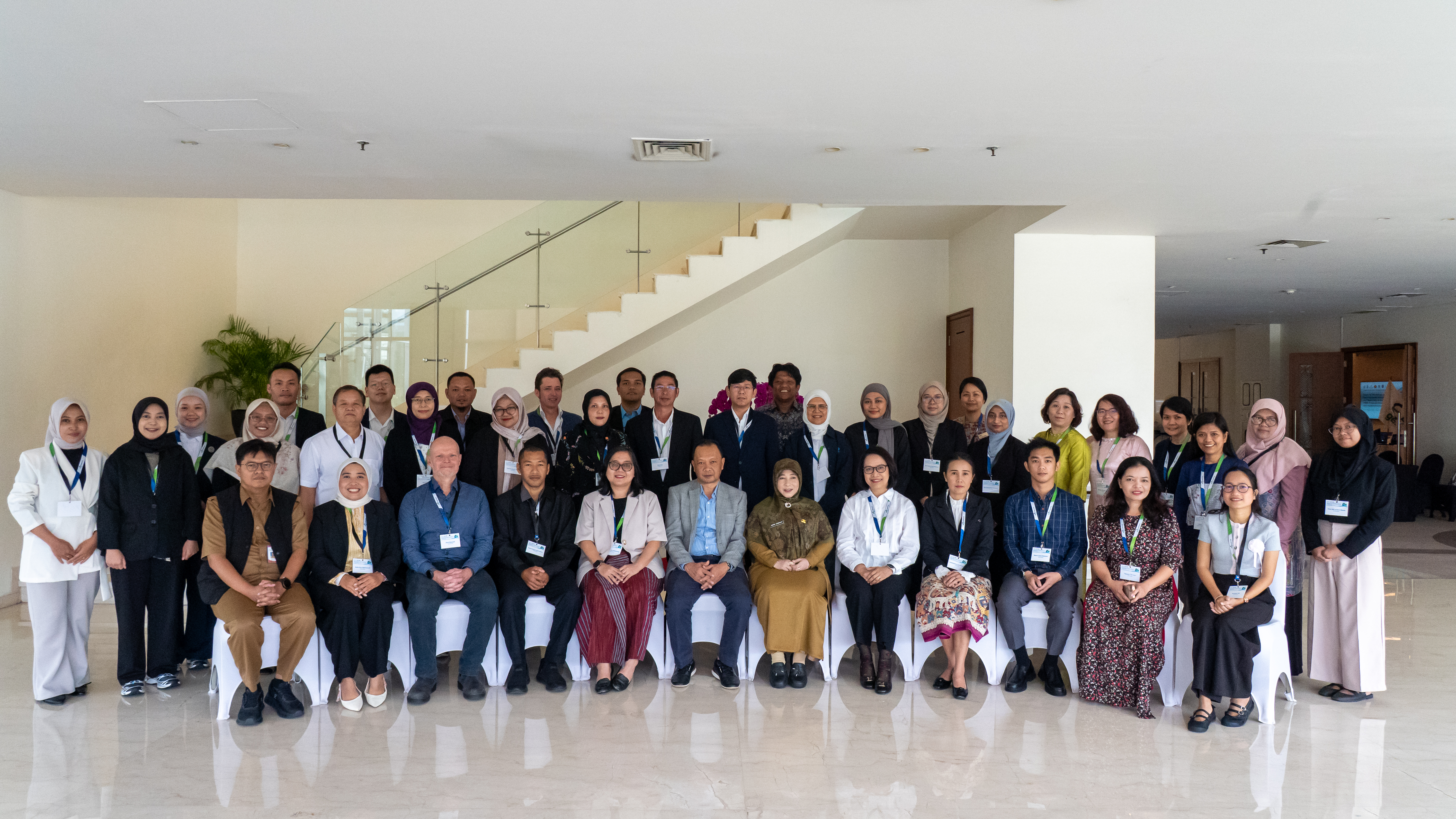
Representatives from national and local government agencies, universities, and scientific institutions from the Project’s six participating ASEAN Member States—Cambodia, Indonesia, Lao PDR, Malaysia, the Philippines, and Viet Nam—and the PEMSEA Network of Learning Centers during the regional workshop in Depok City, Indonesia.
Depok City, Indonesia — The GEF/UNDP/ASEAN Integrated River Basin Management (IRBM) Project, in partnership with the Ministry of Environment of Indonesia, the Local Government of Depok City and the PEMSEA Network of Learning Centers convenes the Regional Workshop on Environmental Monitoring and Reporting in Support of IRBM Program Development and Implementation, from 10–14 August 2026. The five-day workshop aims to strengthen regional understanding and consensus on environmental monitoring and reporting approaches that can support IRBM implementation and State of River Basin (SoRB) reporting across the Project’s seven priority river basins.
Conducted in a hybrid format, the workshop brings together representatives from the six participating ASEAN Member States: Cambodia (Department of Water Quality Management, Ministry of Environment; Kampot Provincial Department of Environment); Indonesia (Environmental Control Agency, Ministry of Environment; Center for Coastal and Marine Resources Studies, Institut Pertanian Bogor; Environmental Agency of Depok City; and Udayana University); Lao PDR (Department of Water Resources, Ministry of Agriculture and Environment; and National University of Laos); Malaysia (Department of Irrigation and Drainage; Kedah State Water Resources Board; River Engineering and Urban Drainage Research Centre, Universiti Sains Malaysia); Philippines (Office of the Provincial Environment and Natural Resources Officer in Cavite; Provincial Government–Environment and Natural Resources Offices of Bataan and Pampanga; and Environmental Management Bureau Region III—Department of Environment and Natural Resources); and Viet Nam (Vietnam Environment Agency; Danang Department of Agriculture and Environment; and Hanoi University of Natural Resources and Environment). Technical experts from EcoFutures under the Alluvium Group are facilitating the technical sessions.
In their opening messages, representatives of the Ministry of Environment of Indonesia and the Local Government of Depok City highlighted the importance of integrated river basin management, the use of monitoring information to support policy and adaptive management, and addressing river basin challenges across administrative boundaries.
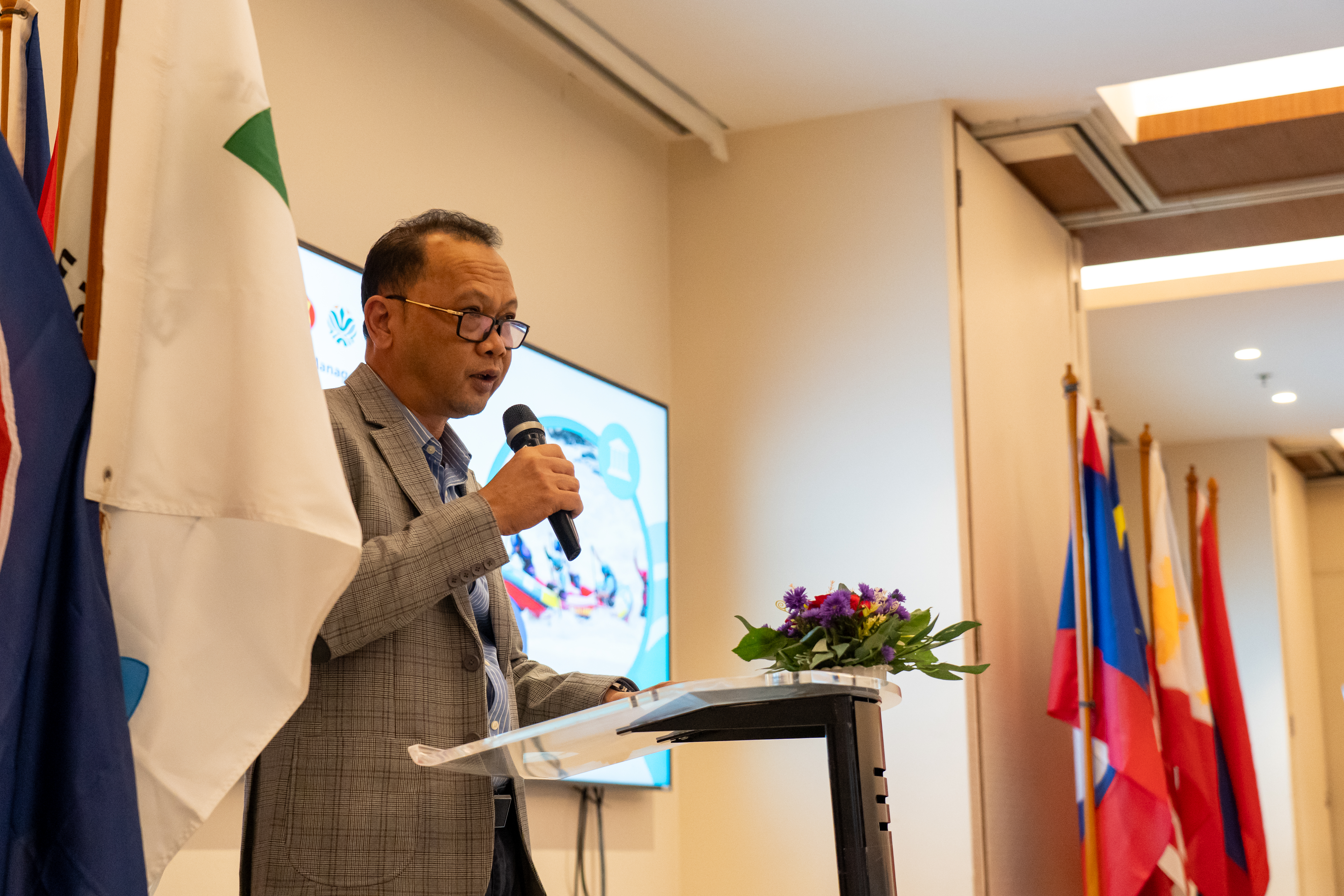
Mr. Tulus Laksono, Director of Water Quality Protection and Management, Ministry of Environment of Indonesia, highlights the importance of integrated management of the Ciliwung River Basin in Indonesia.
“Through this initiative, we aim to strengthen integrated management of the Ciliwung River Basin—one of our country’s most vital yet challenged river systems—by promoting collaboration, knowledge sharing, and practical solutions for sustainable water and ecosystem management,” said Mr. Tulus Laksono, Director of Water Quality Protection and Management, Ministry of Environment of Indonesia.
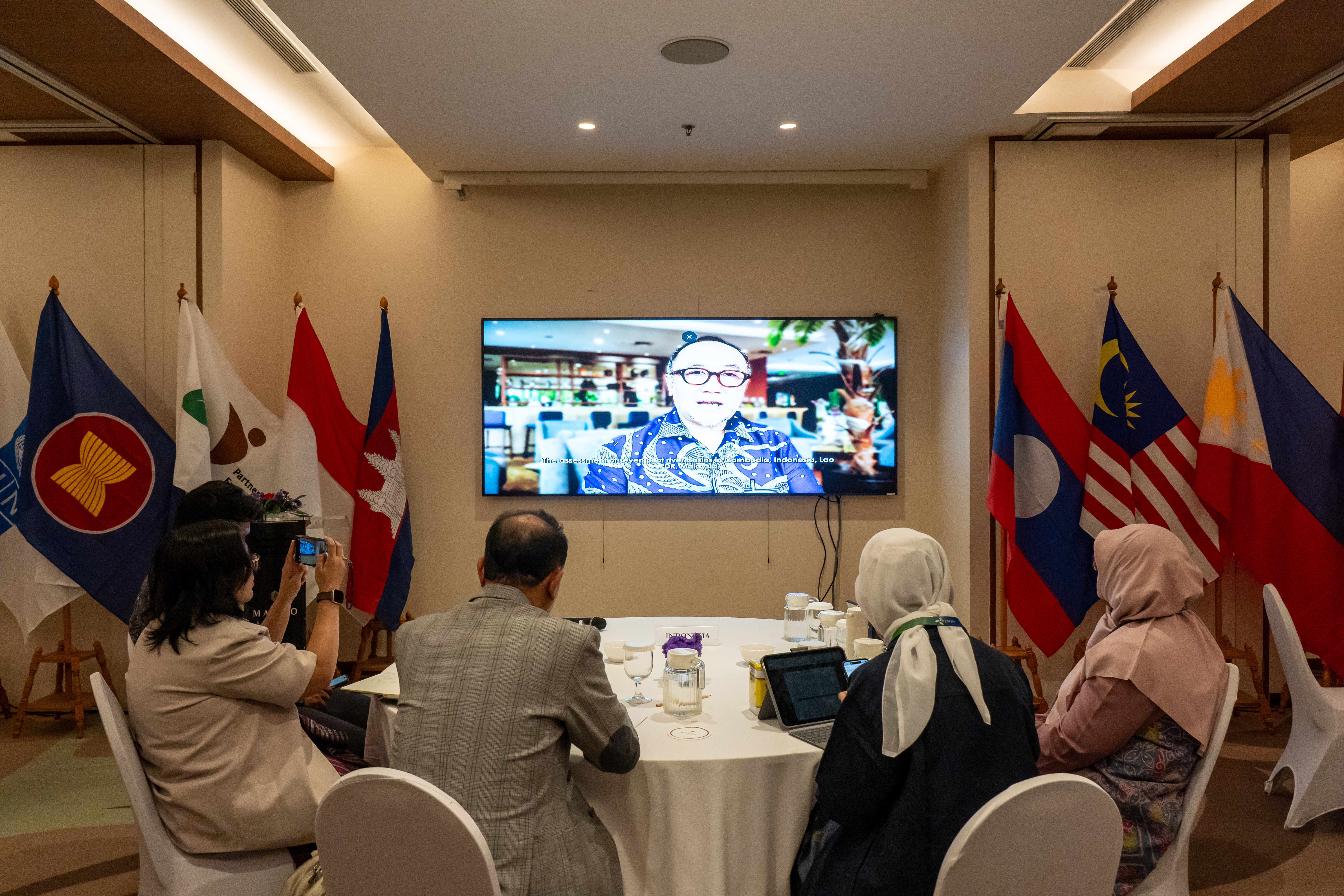
Mr. Noer Adi Wardojo, Acting Deputy Minister for Environmental Pollution and Degradation Control, Ministry of Environment of Indonesia, delivers his opening message virtually.
“Environmental monitoring should therefore not be regarded merely as the collection of samples and data. Monitoring results must be transformed into credible evidence that supports policy, adaptive management, accountability, and State of River Basin reporting,” emphasized Mr. Noer Adi Wardojo, Acting Deputy Minister for Environmental Pollution and Degradation Control, Ministry of Environment of Indonesia, in his opening message.
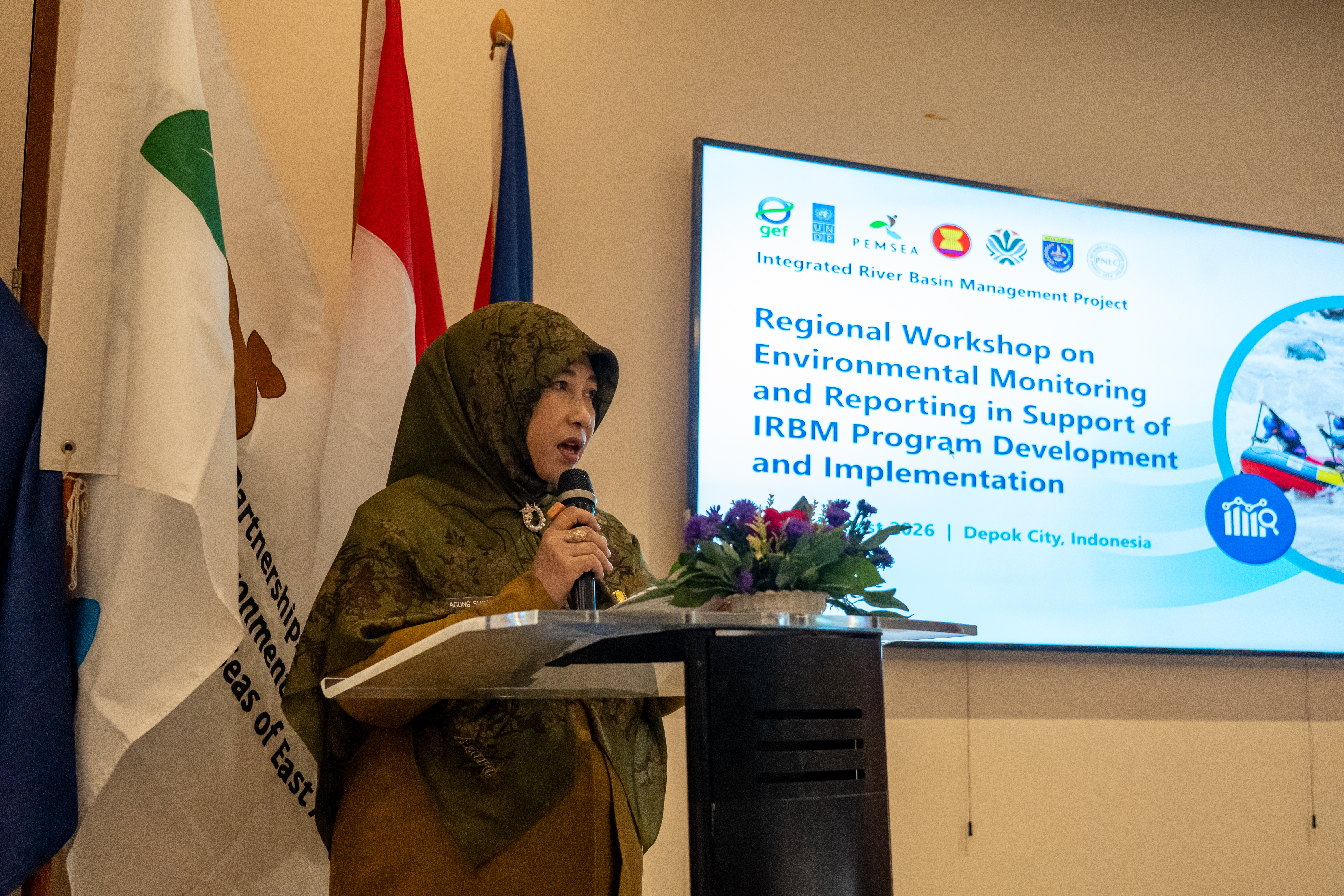
Ms. Agung Sugiharti, Expert Staff to the Mayor of Depok City for Economic and Development Affairs, welcomes participants to Depok City, Indonesia.
“We all know that rivers do not recognize administrative boundaries. Pollution upstream will become a problem downstream. That is why IRBM is not an option, but a necessity,” emphasized Ms. Agung Sugiharti, Expert Staff to the Mayor of Depok City for Economic and Development Affairs, in welcoming participants to Depok City.
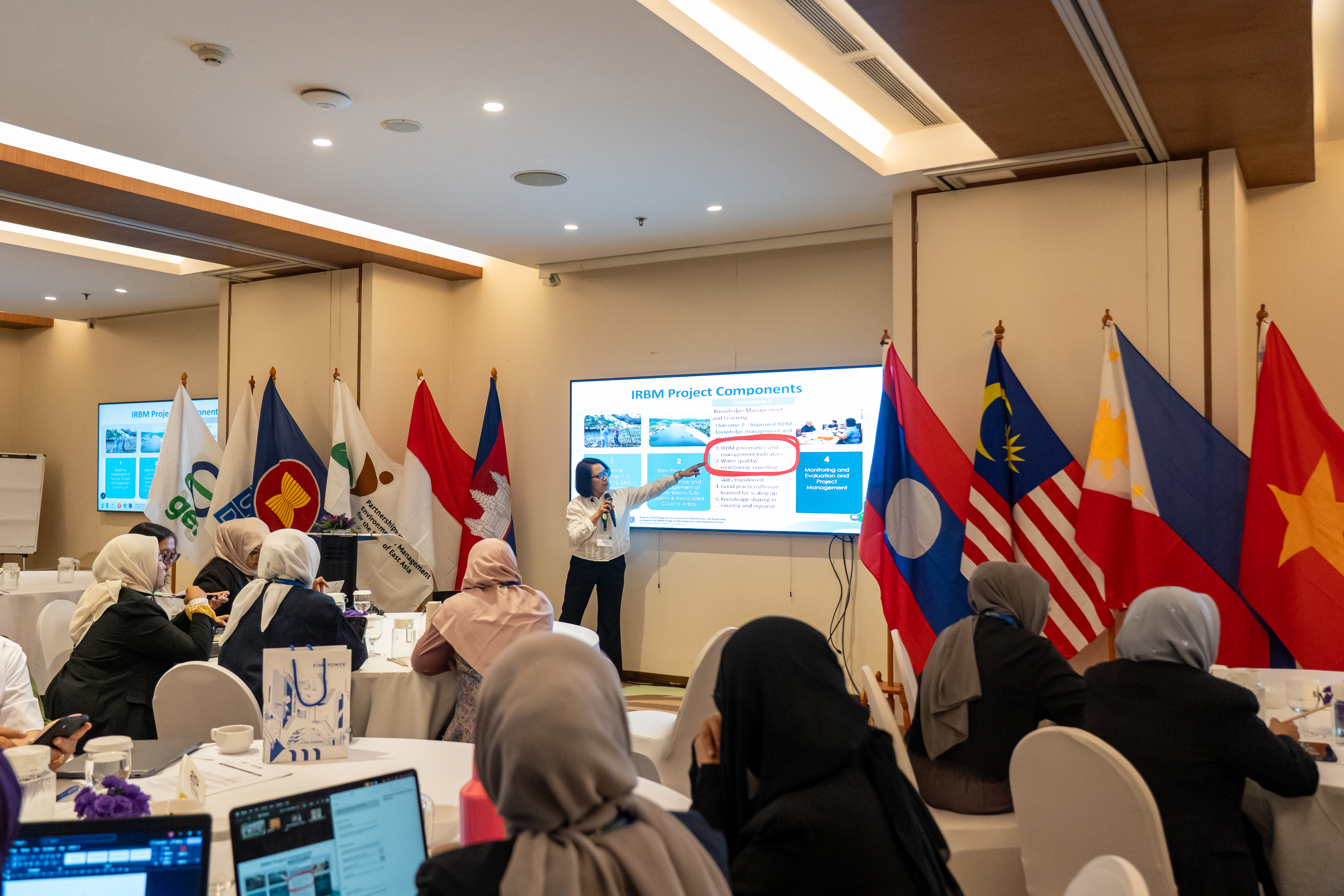
Ms. Nancy Bermas, Regional Project Manager of the IRBM Project, delivers the background, objectives, and expected outputs of the regional workshop.
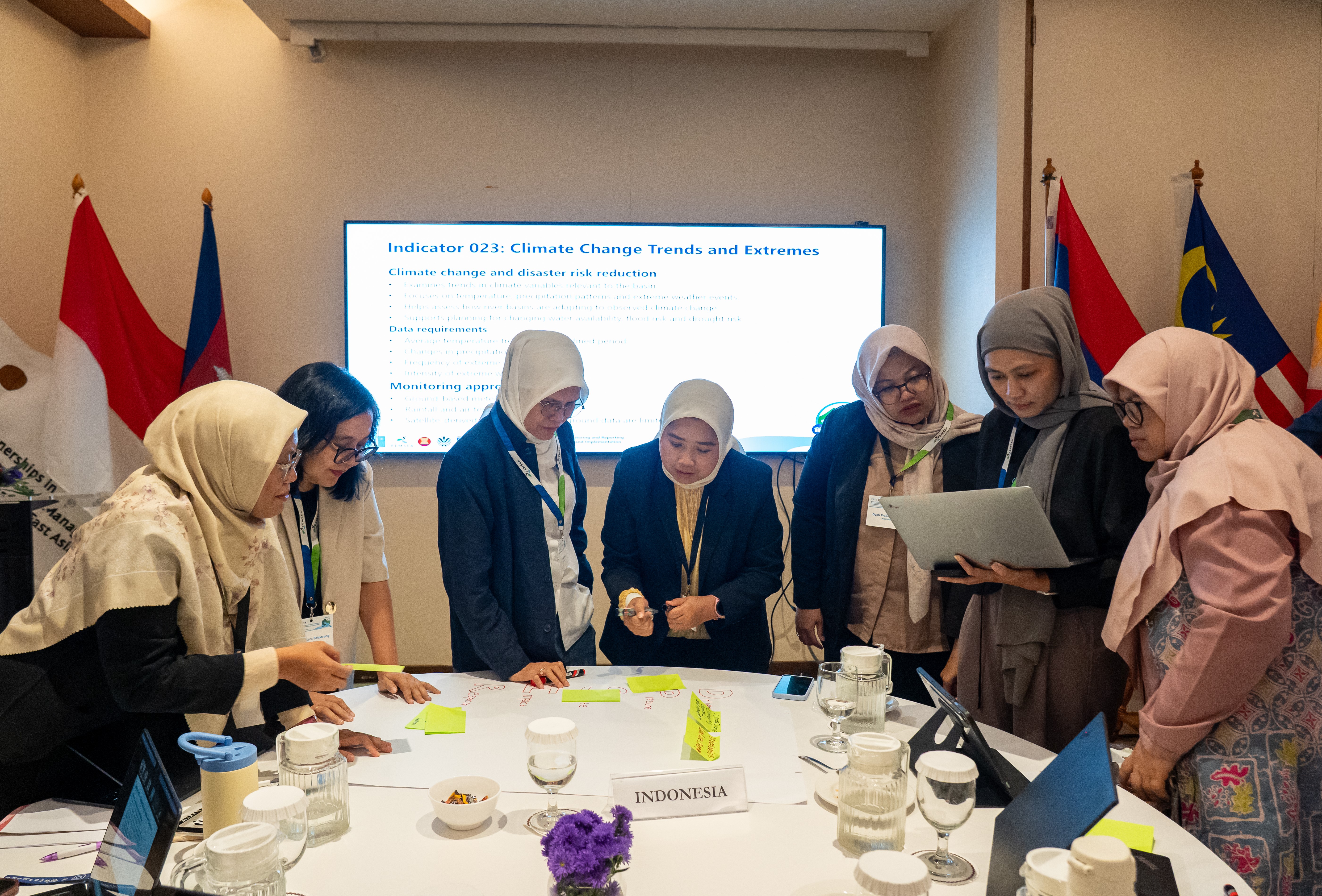
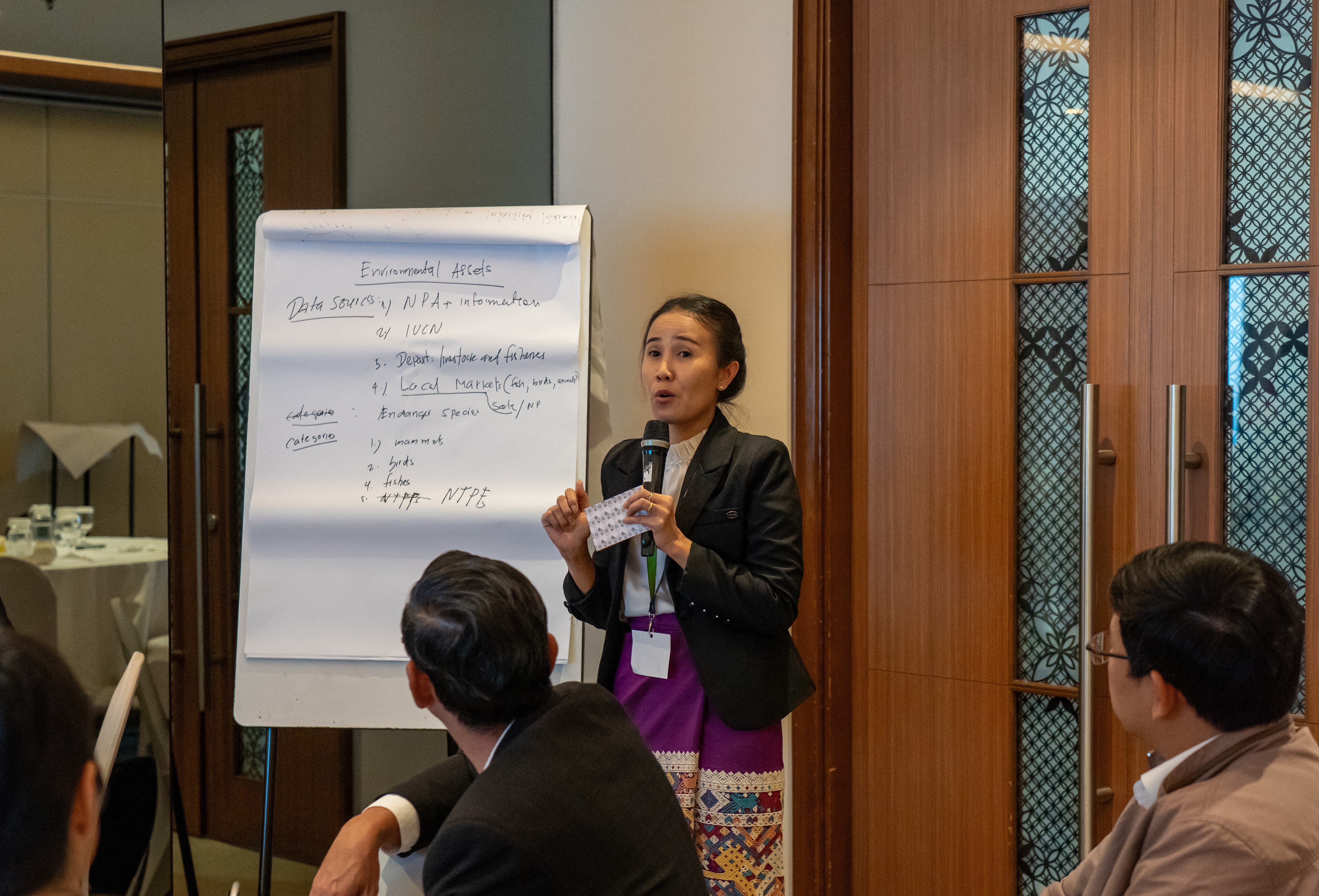
Through technical discussions and regional knowledge exchange, participants are reviewing the status of environmental monitoring, including strengths, gaps, and priority needs in the seven river basins; sharing good practices and exploring practical approaches to selecting indicators; learning how conceptual models can guide monitoring program development; and exploring the use of monitoring data for assessment and reporting. The workshop also introduces the Freshwater Health Index as a potential approach for integrated basin health assessment and reporting.
 |  |  |
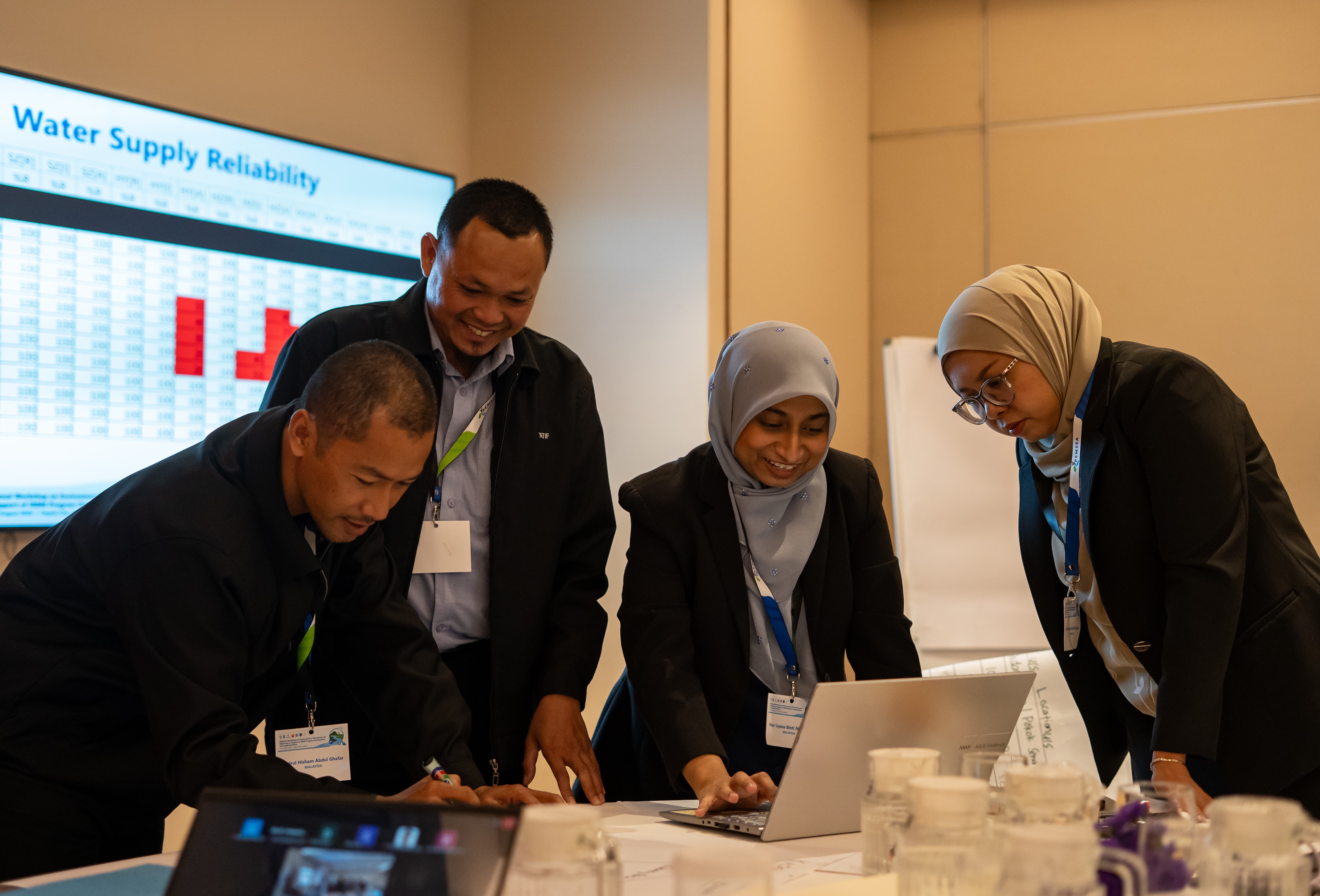 | 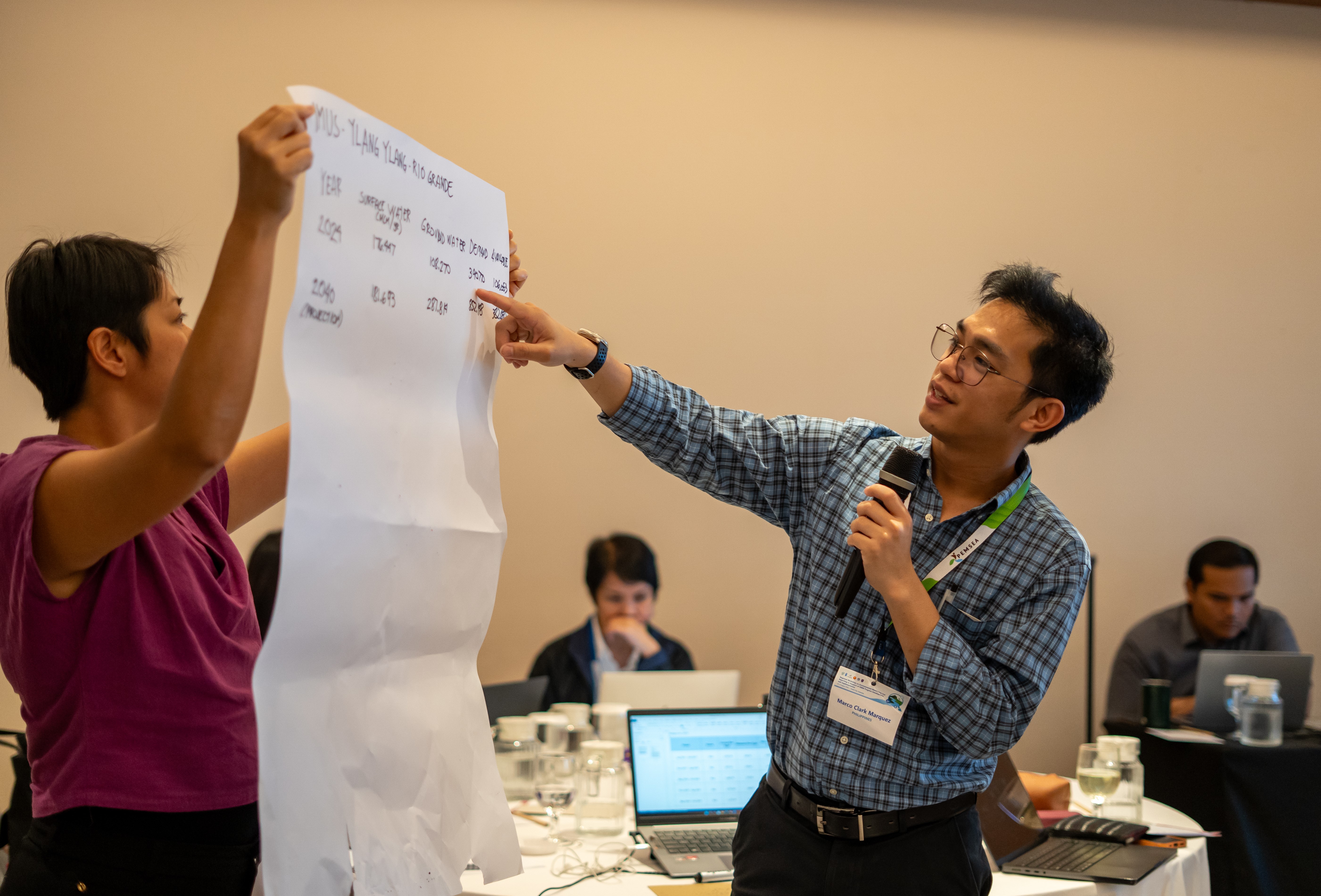 | 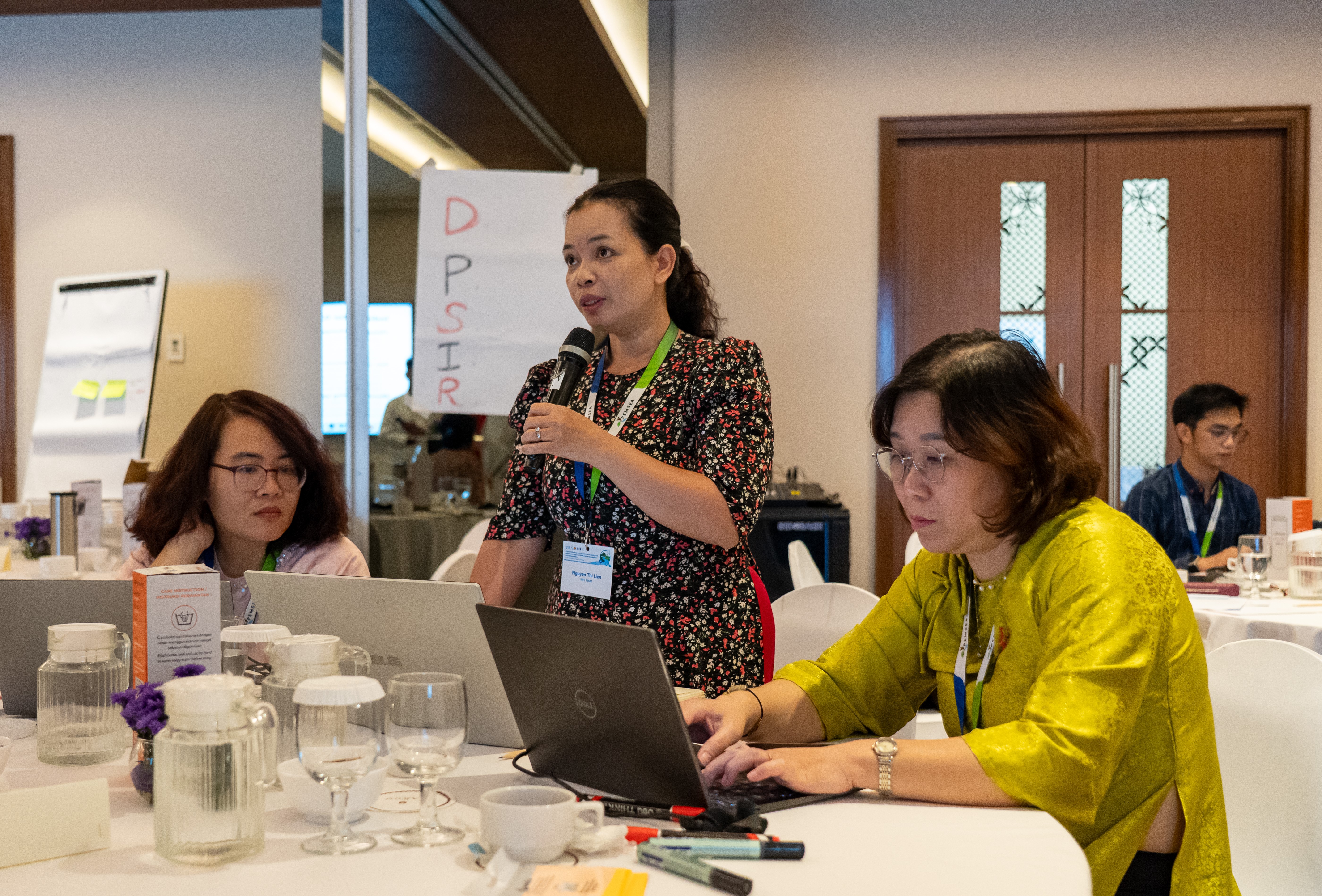 |
Participants from Cambodia, Indonesia, Lao PDR, Malaysia, the Philippines, and Viet Nam during the regional workshop.
The workshop is expected to generate a consolidated review of environmental monitoring across the seven river basins, considerations for monitoring program design and indicator selection, and practical insights on data interpretation and reporting. The discussions will also provide technical inputs to the regional Guide on Environmental Monitoring and Reporting and associated templates, supporting the use of monitoring information for IRBM planning, adaptive management, and informed decision-making.
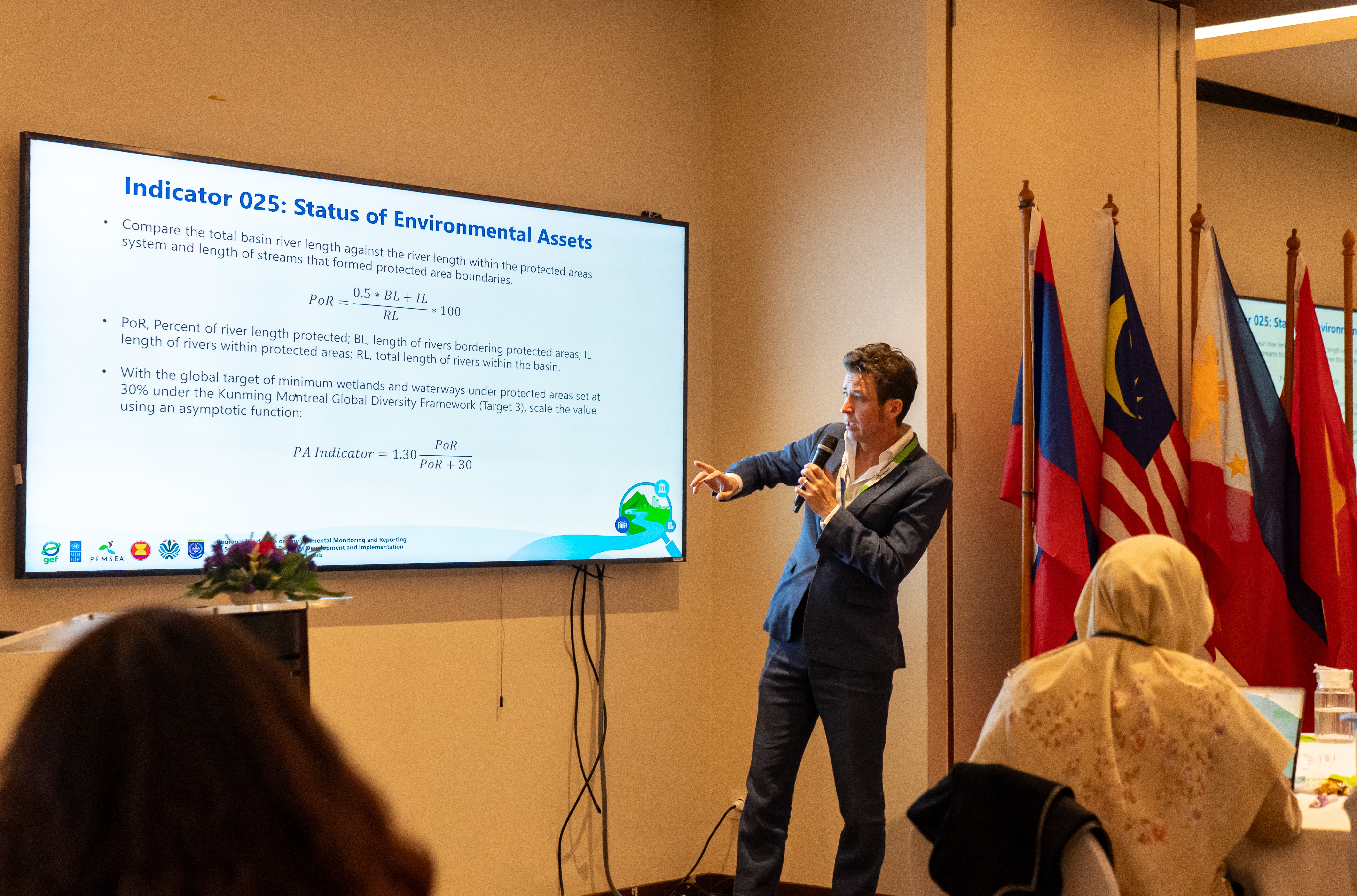 | 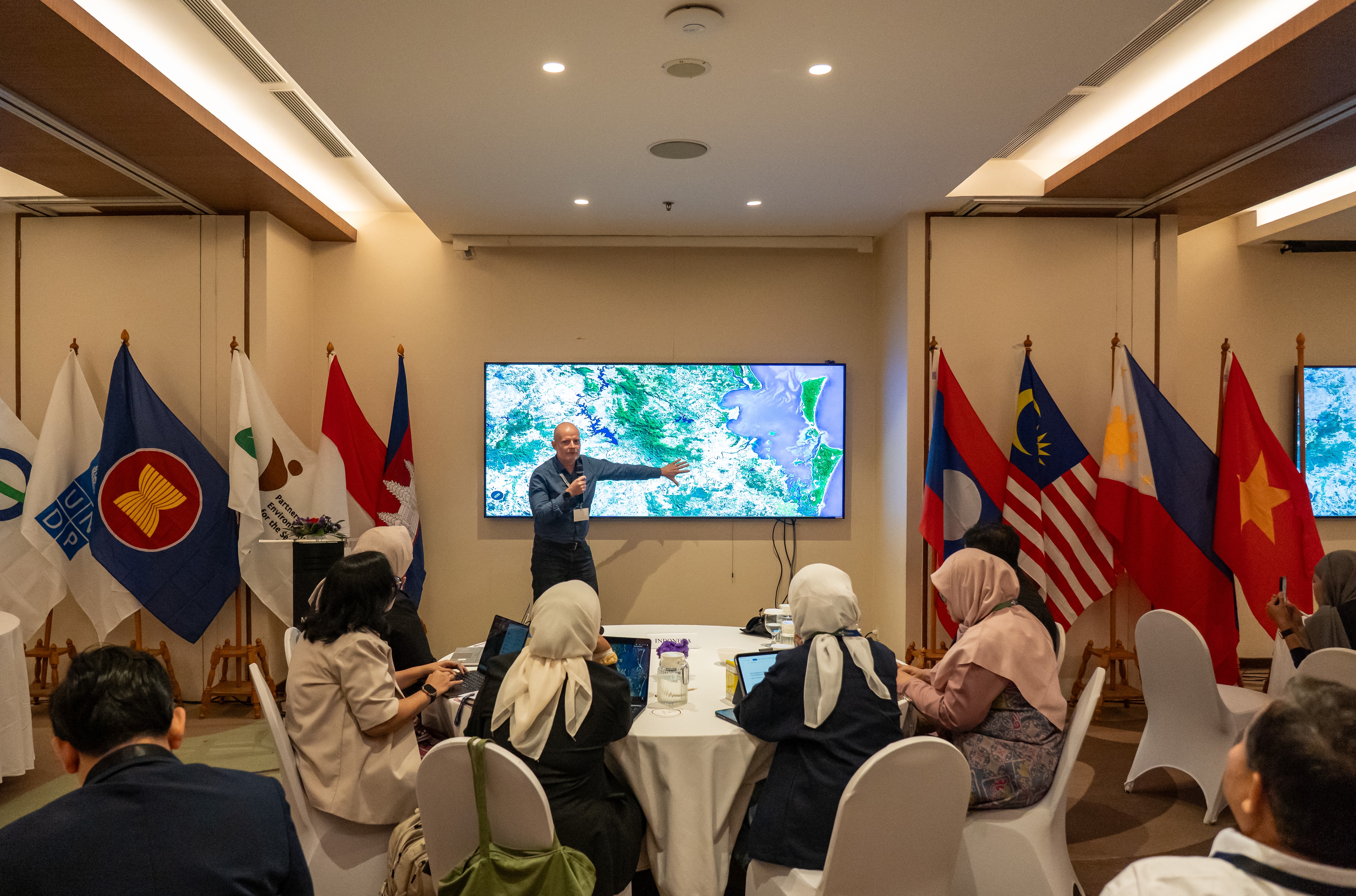 | 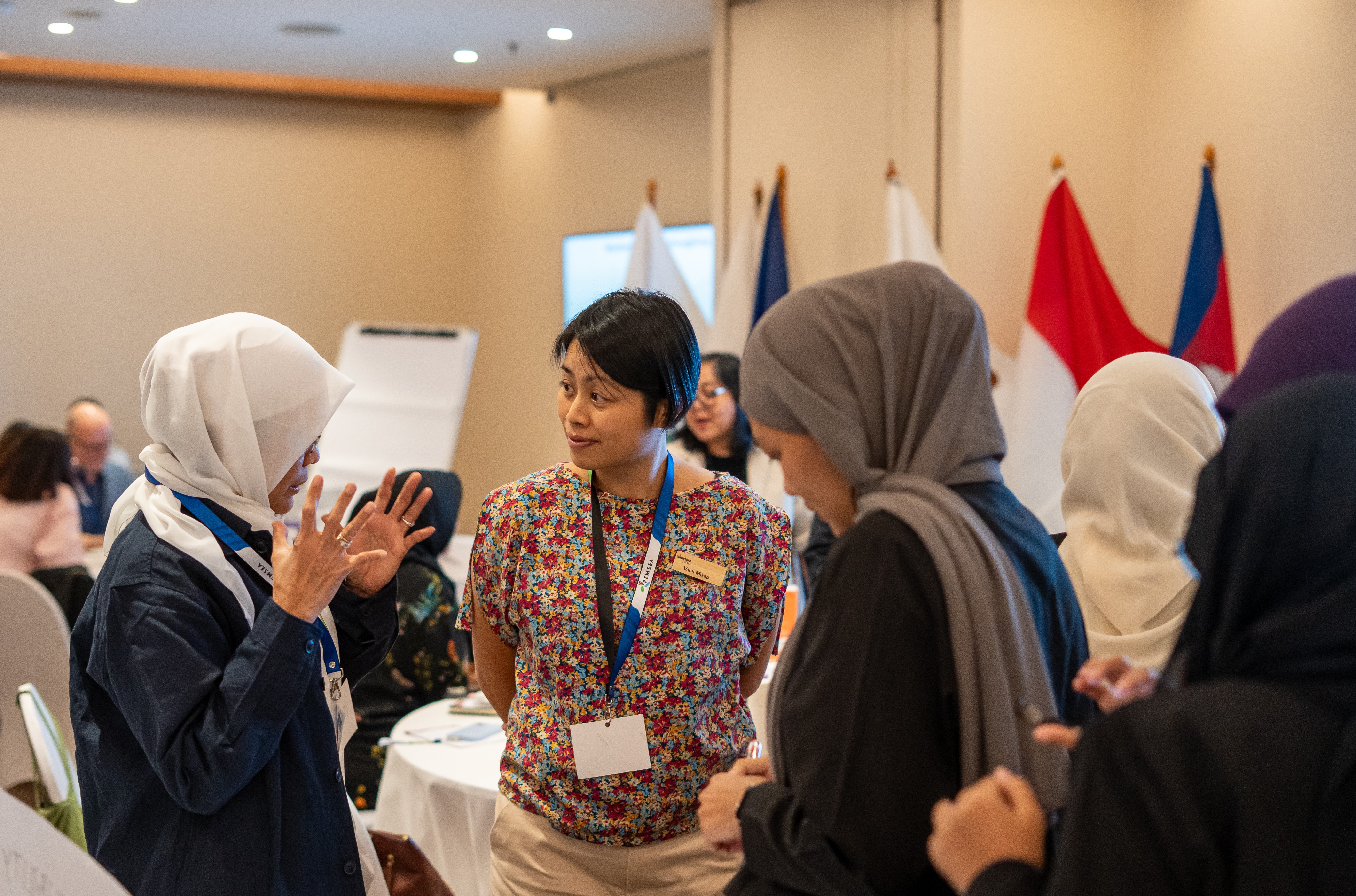 |
Technical experts Nick Souter, Paul Maxwell, and Vanh Mixap of EcoFutures under the Alluvium Group facilitate the regional workshop’s sessions.
About the Project
Supported by the Global Environment Facility, the Integrated River Basin Management (IRBM) Project is working to establish functional management mechanisms in priority river basins across six ASEAN countries to reduce pollution, sustain freshwater environmental flows, and strengthen resilience to climate change. The regional Project is implemented by the United Nations Development Programme Bangkok Regional Hub and executed by Partnerships in Environmental Management for the Seas of East Asia, in collaboration with ASEAN.
All photos by Orange Omengan/PEMSEA
Recent Articles
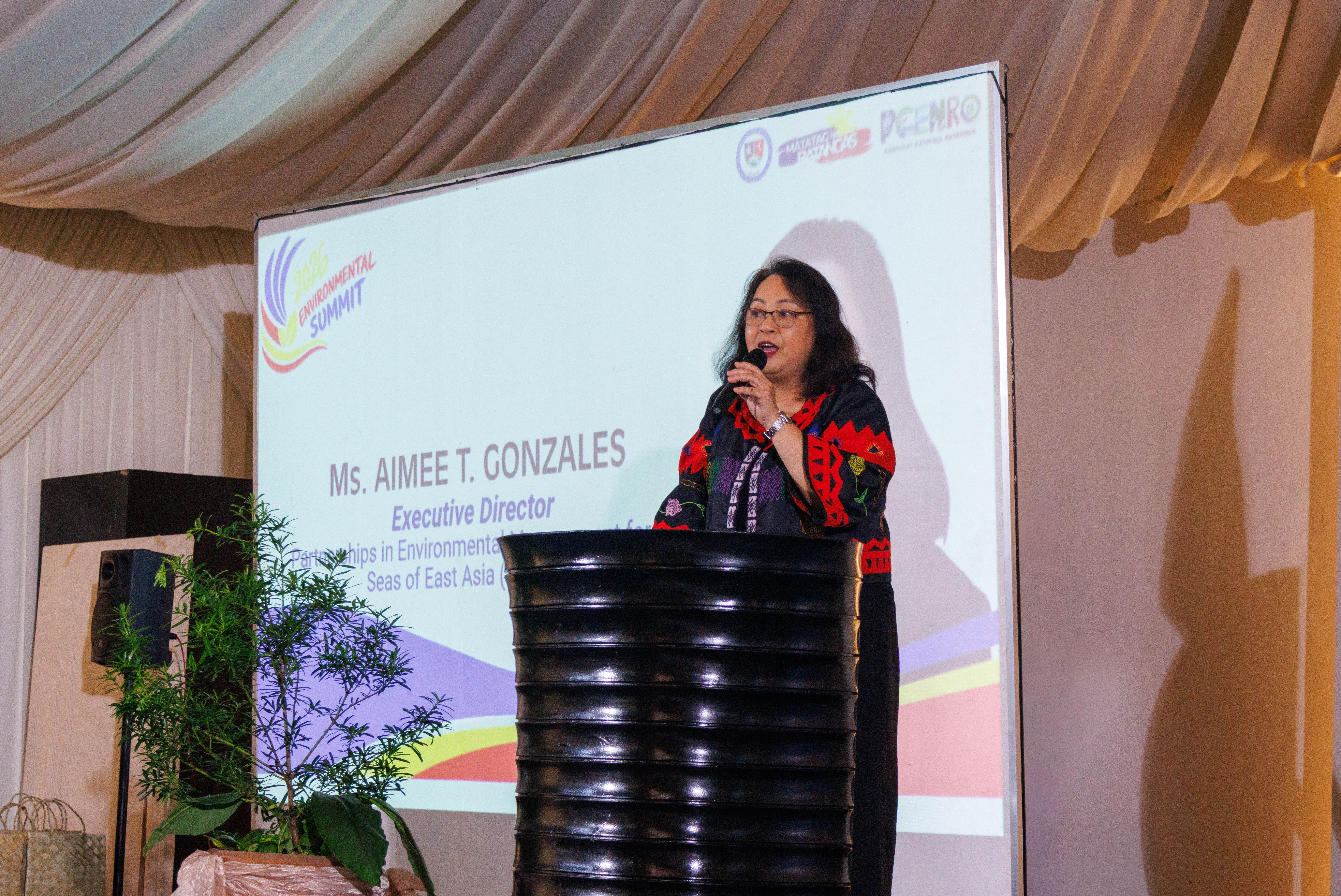
PEMSEA Recognized for Three Decades of Partnership with Batangas Province
Wednesday, 7 October 2026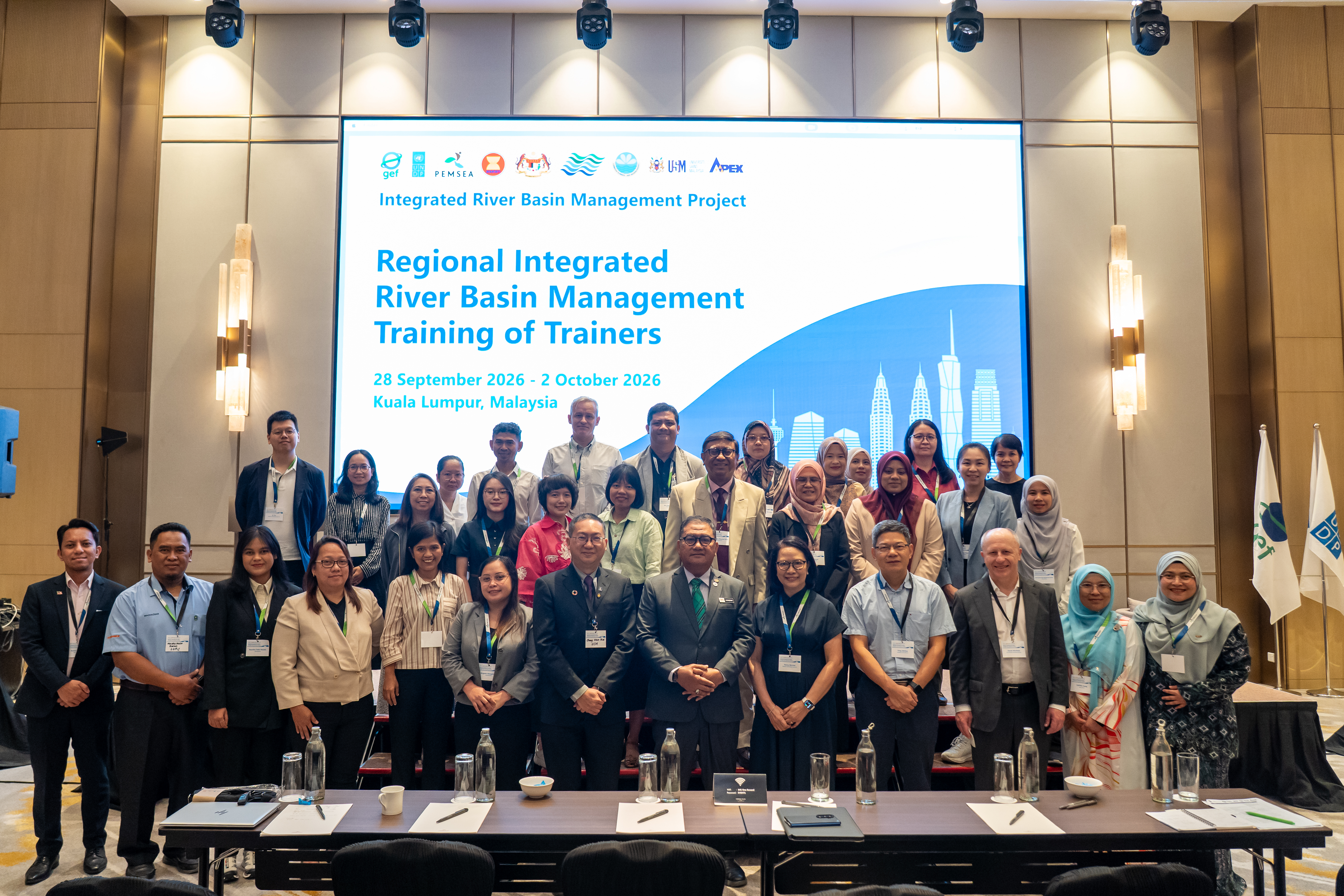
The GEF/UNDP/ASEAN IRBM Project Conducts the Regional Integrated River Basin Management Training of Trainers
Monday, 28 September 2026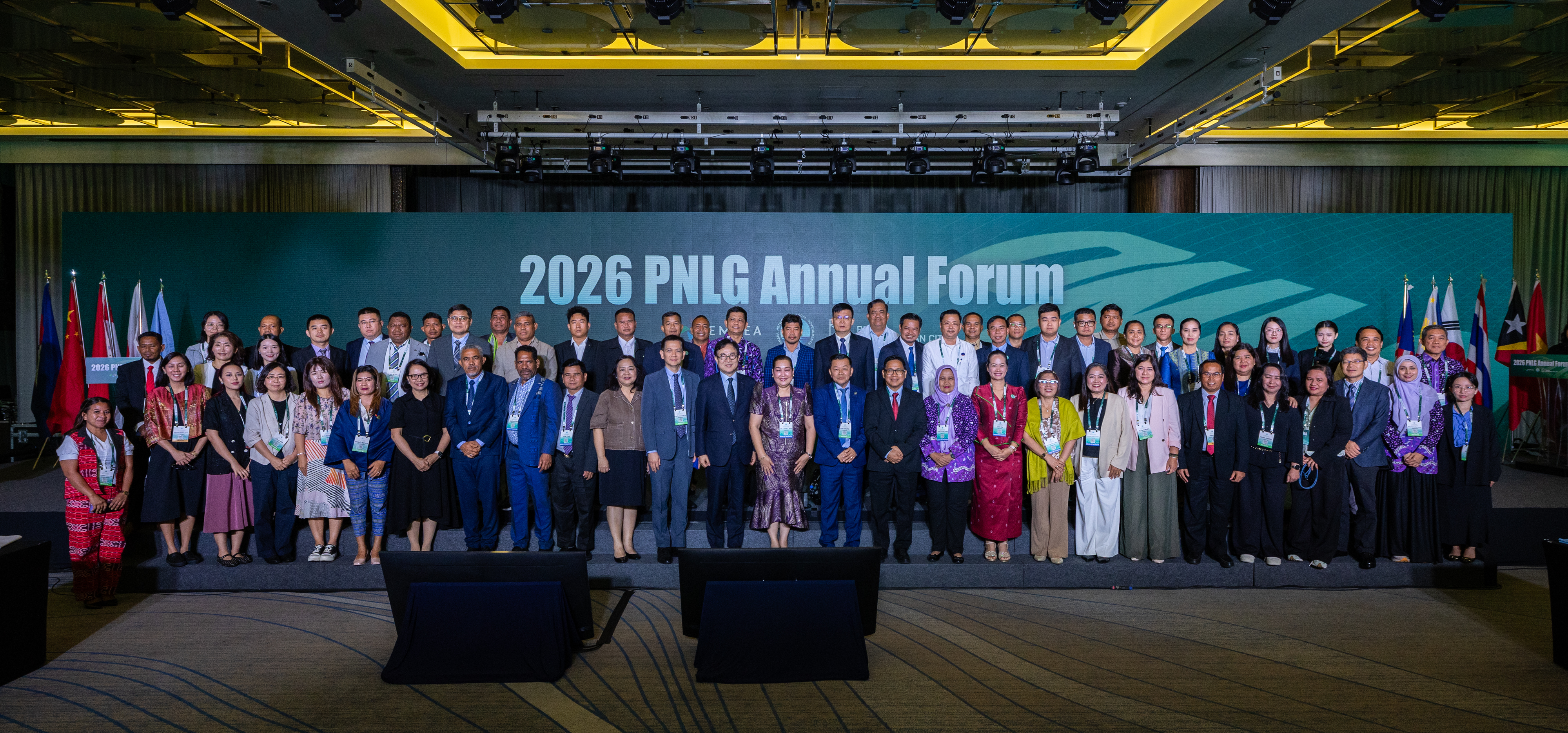
"Let This Forum Not Be Remembered for the Words We Spoke, but for the Actions We Inspire": PNLG President's Closing Message Calls for Action Beyond Busan, Republic of Korea
Monday, 21 September 2026
From north to south, local stakeholders convene to protect the Philippine Rise under the PRICELESS Project
Monday, 21 September 2026
PNLG General Assembly Adopts Busan Declaration, Welcomes Atauro Island as New Member
Wednesday, 9 September 2026