
Da Nang and KEITI Strengthen Cooperation on Resource Circularity and Municipal Solid Waste Management
Friday, 27 November 2026
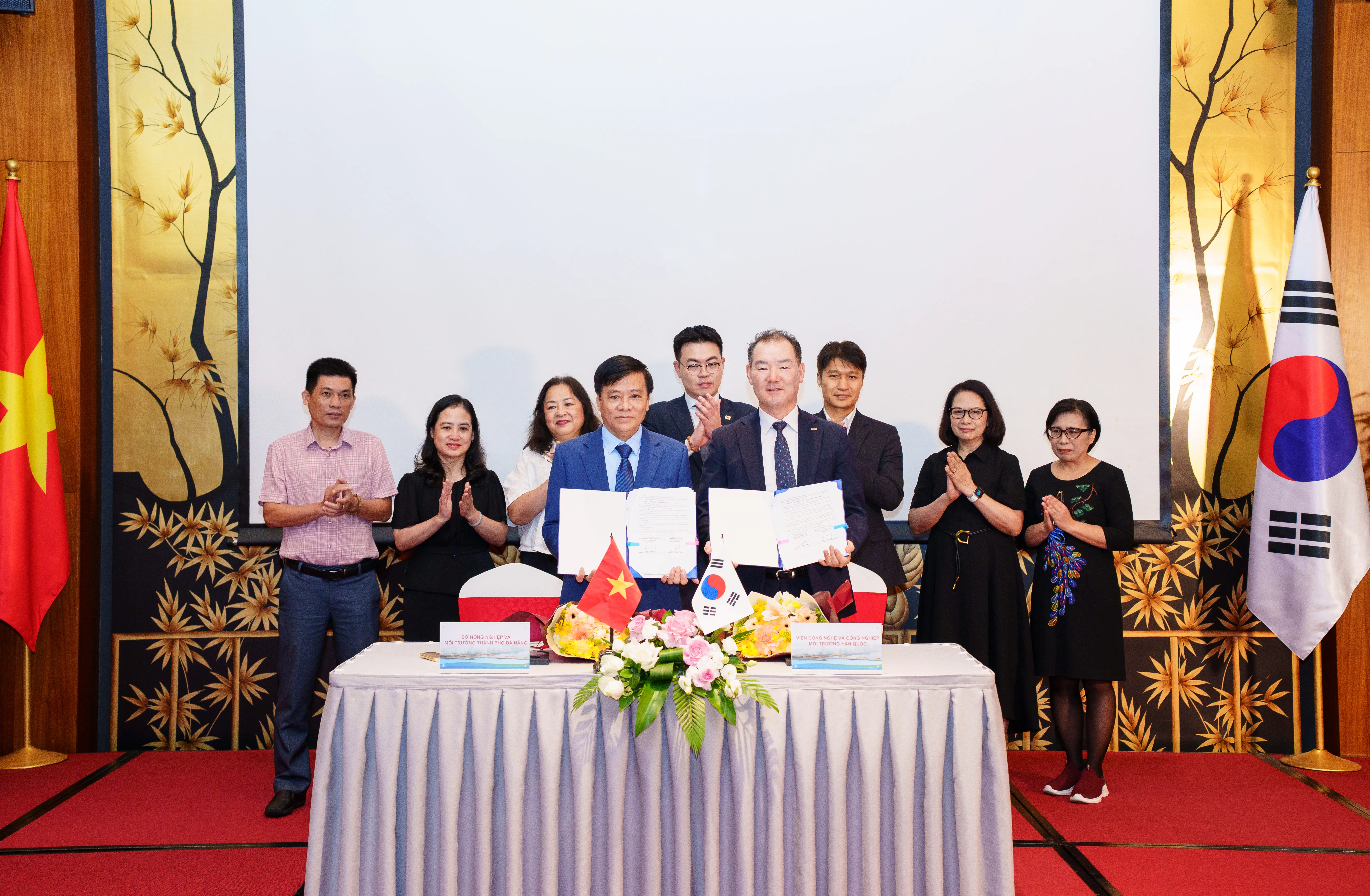
Signing of the Memorandum of Understanding between Da Nang DAE and KEITI, witnessed by representatives of national and local government agencies, PEMSEA, and other partner institutions. Photo Credit: Da Nang DAE
Da Nang, Viet Nam — The Da Nang Department of Agriculture and Environment (DAE) and the Korea Environmental Industry and Technology Institute (KEITI) of the Ministry of Climate, Energy and Environment, Republic of Korea, signed a Memorandum of Understanding (MoU) on Cooperation in Resource Circularity and Municipal Solid Waste Management on 25 November 2026.
The five-year MoU establishes a framework for cooperation to support Da Nang City’s transition towards a circular economy and a resource-efficient waste management system. Key areas of cooperation include policy and technology exchanges, technical cooperation and capacity development, and the identification of potential joint programs and projects based on the City’s needs and priorities.
The signing marked the culmination of a series of joint consultations and site visits to several municipal waste management facilities in Da Nang City involving KEITI, Viet Nam Environment Administration (VEA), DAE and PEMSEA. The initiative complements the objectives of the GEF/UNDP/ASEAN Integrated River Basin Management (IRBM) Project which aims to address pollution at source and strengthen the integrated management of Vu Gia Thu-Bon River Basin through a Source-to-Sea approach.
Supporting Da Nang’s Vision of an Environmental City
In his welcome remarks, Mr. Tran Nam Hung, Vice Chairman of the Da Nang City People’s Committee, reaffirmed the City’s commitment to becoming an ecological, modern, smart, and livable city. Amid growing pressures from urbanization, tourism, and economic development, the City continues to implement its initiative to build Da Nang into an Environmental City, linking environmental protection with integrated management of the Vu Gia–Thu Bon River Basin and gradually shifting from landfilling towards waste segregation at source, reuse, and recycling.
“Today’s ceremony not only marks a practical step forward under the IRBM Project—funded by the Global Environment Facility, implemented through UNDP, and coordinated by PEMSEA—but also reflects the growing trust and deepening partnership between Da Nang City and our partners from the Republic of Korea,” he said.
Mr. Tran expressed the People’s Committee’s support for the MoU and its commitment to facilitating coordination and administrative procedures in accordance with Viet Nam’s laws and regulations. He also tasked Da Nang DAE to lead the development of annual implementation plans in coordination with KEITI and relevant municipal agencies.
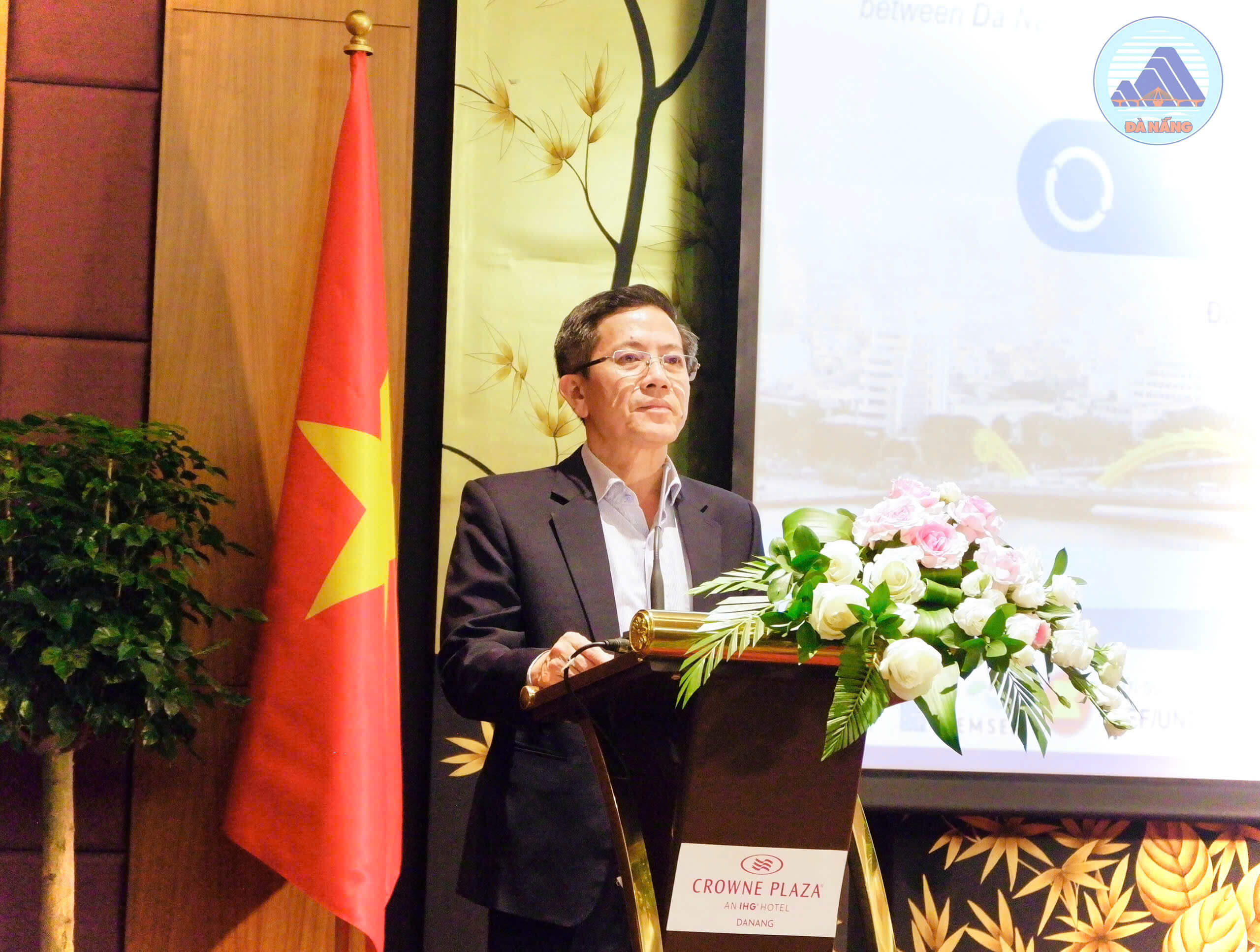
Mr. Tran Nam Hung, Vice Chairman of the Da Nang City People’s Committee, delivering his welcome remarks. Photo Credit: Da Nang DAE
Responding to Municipal Solid Waste Management Challenges
Despite efforts to strengthen policies on waste segregation at source, upgrade collection networks, and plan waste treatment infrastructure, increasing municipal solid waste generation continues to pose challenges for Da Nang City.
In her congratulatory remarks, Ms. Aimee Gonzales, Executive Director of the PEMSEA Resource Facility (PRF), noted that the City generates between 2,300 and 2,500 tons of municipal solid waste daily, with high organic content and limited land available for landfill expansion. With waste generation projected to reach 4,500 tons per day by 2030, there is a need to explore alternatives to conventional waste disposal methods.
Mr. Nguyen Van Lam, Deputy Director of Da Nang DAE, highlighted the need to adopt advanced waste treatment technologies, reduce reliance on landfills, improve leachate and odor management, and curb plastic waste to safeguard water resources in the Vu Gia–Thu Bon River Basin and Da Nang’s coastal and marine environment.
He emphasized the importance of international cooperation in addressing these challenges and acknowledged the contributions of partner institutions in the preparations leading to the agreement.
“Throughout this journey, we deeply value and appreciate the bridging role and effective technical support of the Vietnam Environment Administration under the Ministry of Agriculture and Environment, PEMSEA, and the Integrated River Basin Management (IRBM) Project, as well as the close coordination of the Department of Foreign Affairs and relevant municipal agencies.”
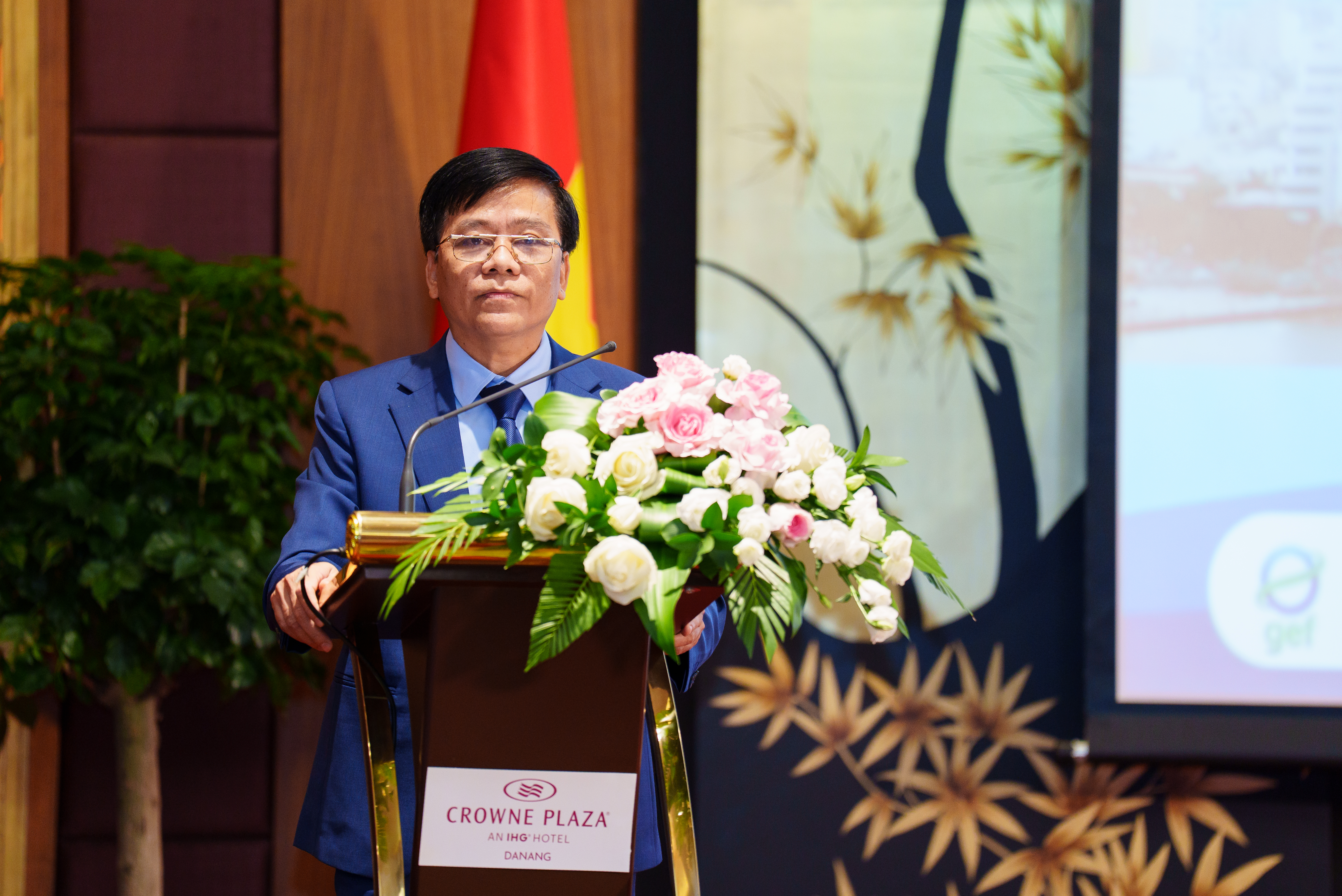
Mr. Nguyen Van Lam, Deputy Director of Da Nang DAE, delivering his remarks during the MoU signing ceremony. Photo Credit: Da Nang DAE
Prior to the MoU signing, a site visit was conducted to a municipal solid waste management facility in Hoi An. A meeting was also held with Mr. Bui Van Dung, Chairman of the People’s Committee of Hoi An Tay Ward, to discuss the status of solid waste management in Hoi An, including capacity and technology needs, facility upgrading requirements, and operational challenges.
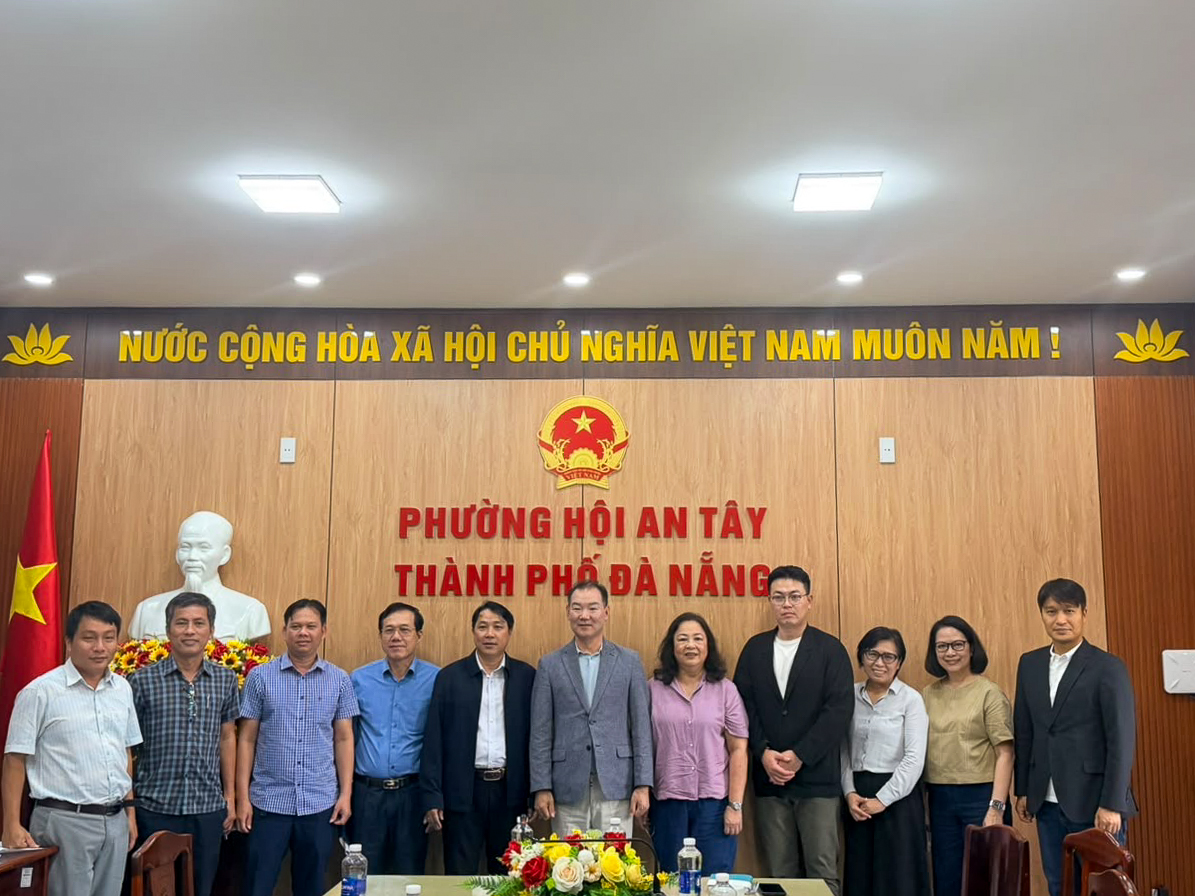
Meeting with Mr. Bui Van Dung, Chairman of the People’s Committee of Hoi An Tay Ward, and representatives of partner institutions. Photo Credit: Da Nang DAE
Learning from the Republic of Korea’s Experience in Resource Circularity
Mr. Kim Young Sik, Vice President of KEITI, discussed the Republic of Korea’s transition from landfill-centered waste management towards resource circularity. Following the introduction of its volume-based waste fee system in 1995, the country progressively expanded waste segregation at source, recycling, and energy recovery.
“The single biggest lesson we learnt along the way is that technology alone is never enough; policies, institutions, and active citizen participation must move forward hand in hand,” he said.
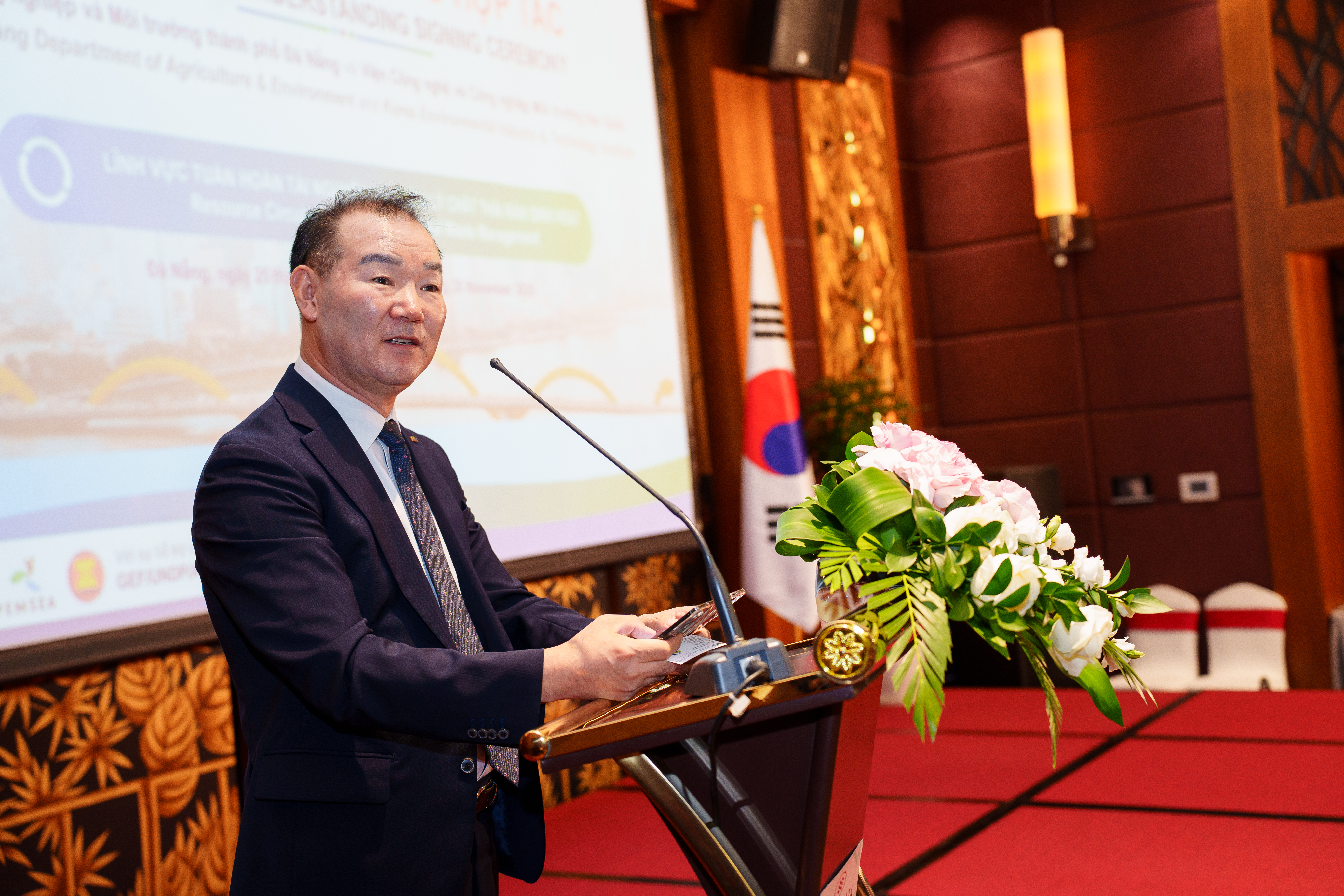
Mr. Kim Young Sik, Vice President of KEITI, delivering his remarks. Photo Credit: Da Nang DAE
Building on this experience and Da Nang City’s priorities, the MoU covers policy and technology exchanges in waste segregation at source, recycling, biological treatment, waste-to-energy solutions, and digital monitoring. It also provides a framework for expert exchanges, training, joint technical assessments, and the identification of potential cooperation projects, including feasibility studies, pilot models, and environmental technologies tailored to local conditions.
Mr. Kim emphasized KEITI’s commitment to working with Da Nang City to identify appropriate solutions and maintain close coordination through the KEITI Representative Office in Viet Nam. He also acknowledged PEMSEA’s role in facilitating the partnership.
Strengthening Partnerships through Integrated River Basin Management (IRBM)
In Viet Nam, the IRBM Project is overseen by the Ministry of Agriculture and Environment and led by VEA, in coordination with Da Nang DAE and relevant local agencies, with PEMSEA providing technical support at the regional level.
Representing VEA, Ms. Tran Thi Le Anh recognized the signing as a result of joint efforts under the IRBM Project in Viet Nam. She highlighted the importance of the Vu Gia–Thu Bon River Basin to socioeconomic development, water security, biodiversity conservation, and the maintenance of ecological functions in central Viet Nam, amid growing pressures from urbanization, industrialization, pollution, and climate change.
“Our goal goes beyond improving water quality or maintaining environmental flows; it is about building a lasting governance framework in which controlling land-based pollution – particularly through effective municipal solid waste management – plays a pivotal role,” she said.
VEA reaffirmed its commitment to supporting Da Nang DAE and KEITI in pursuing the areas of cooperation under the MoU and strengthening their linkages with the technical components of the IRBM Project.
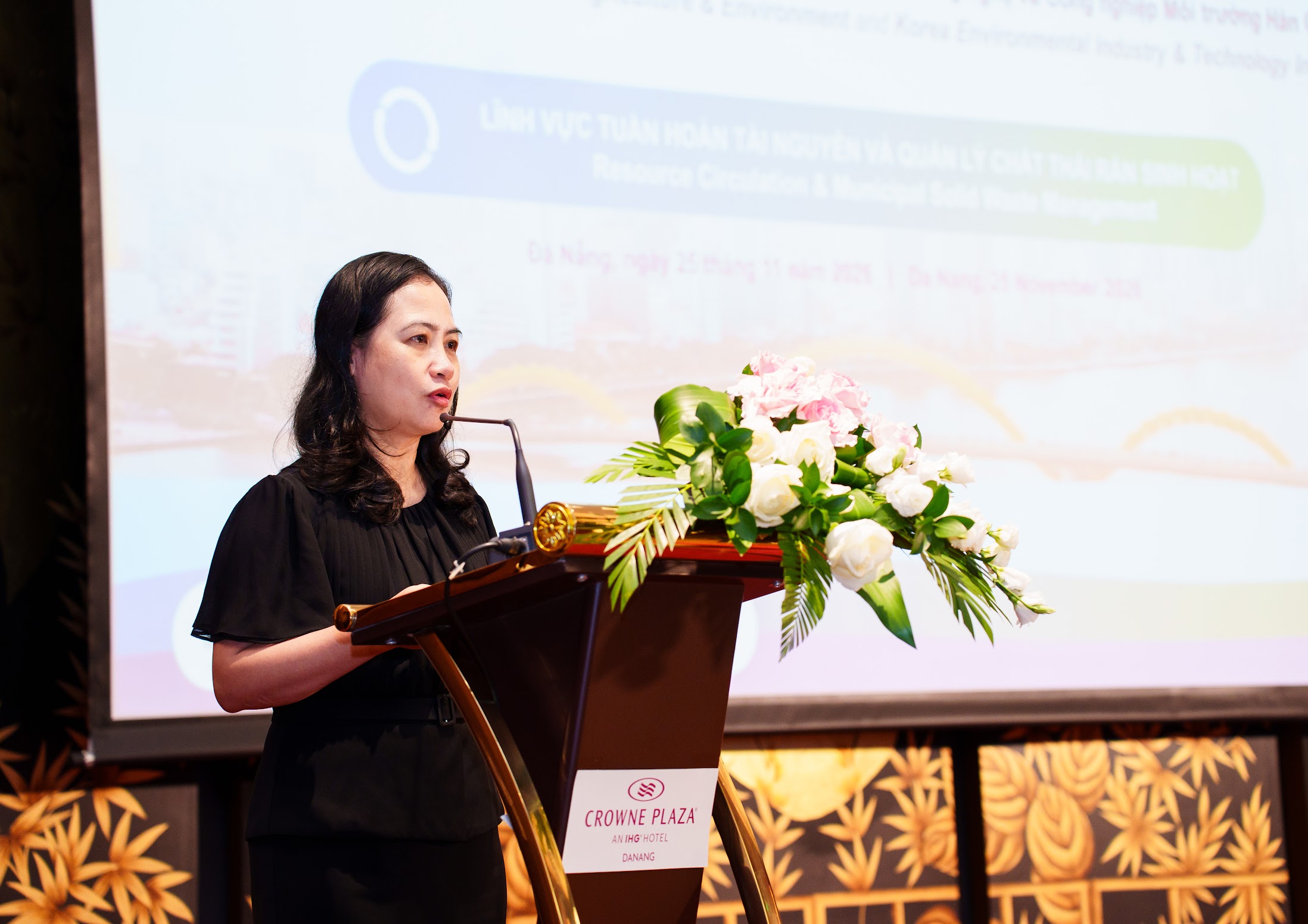
Ms. Tran Thi Le Anh, representing VEA during the MoU signing ceremony. Photo Credit: Da Nang DAE
Ms. Gonzales also highlighted Da Nang’s longstanding membership in the PEMSEA Network of Local Governments and its experience in implementing integrated coastal management since 2001, providing a foundation for further strengthening river basin and coastal management through the Project’s Source-to-Sea approach.
She underscored the regional significance of the partnership:
“By linking Da Nang’s local leadership, Viet Nam’s national environmental agencies, Korea’s technological innovation, and PEMSEA’s regional IRBM Project, we are creating a collaborative model that can inspire other coastal cities and river basins across ASEAN and EAS region.”
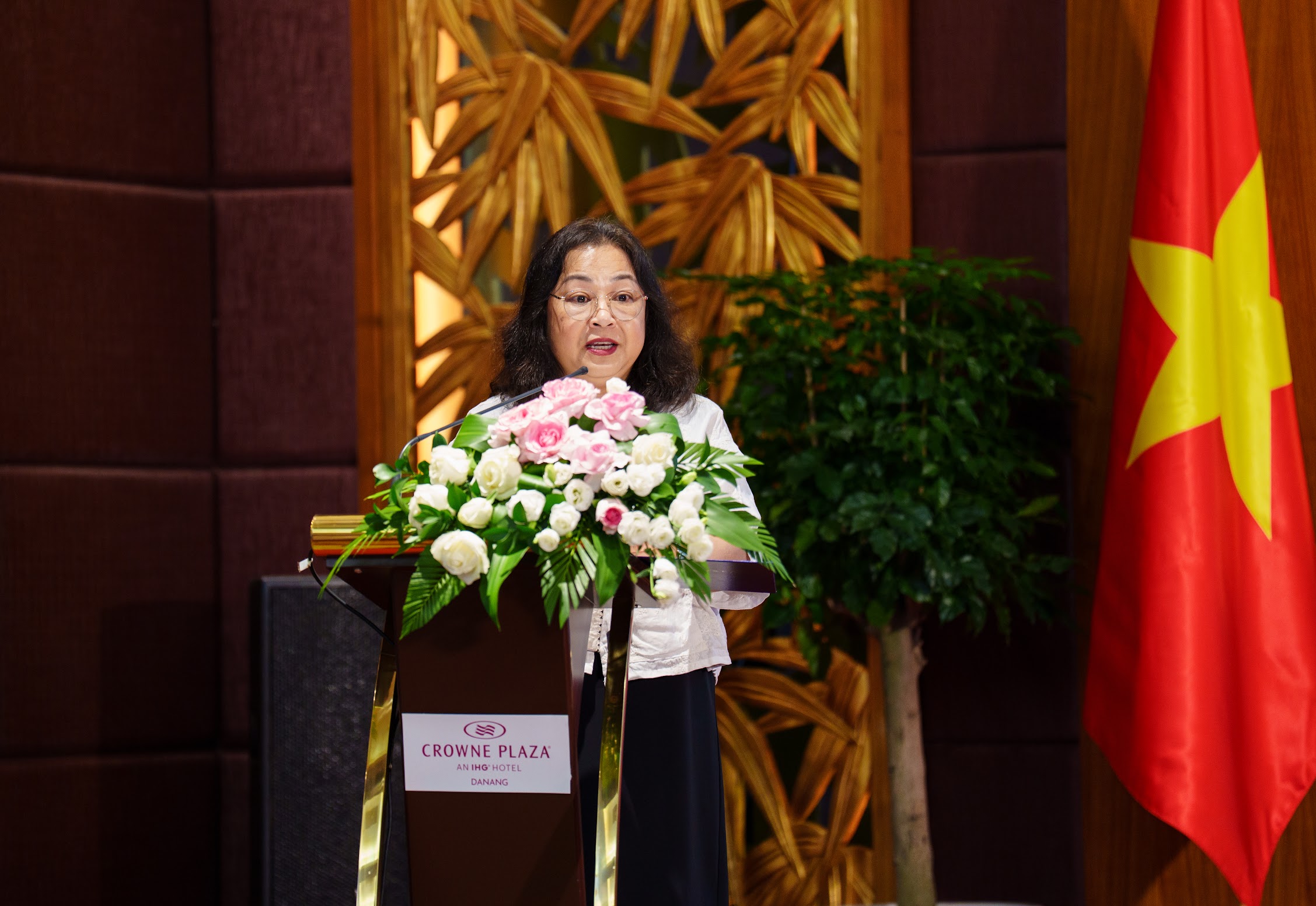
Ms. Aimee Gonzales, Executive Director of PRF, delivering her congratulatory remarks. Photo Credit: Da Nang DAE
Through designated focal points, Da Nang DAE and KEITI will coordinate the identification of priority activities and explore opportunities for joint initiatives under the MoU. Specific projects and financial arrangements will be subject to separate written arrangements and applicable approval procedures.
PEMSEA and the IRBM Project reaffirmed their commitment to supporting both parties through stakeholder consultations, community awareness and advocacy on waste segregation, engagement with academic and civil society partners, and the development of feasibility studies to inform potential investments.
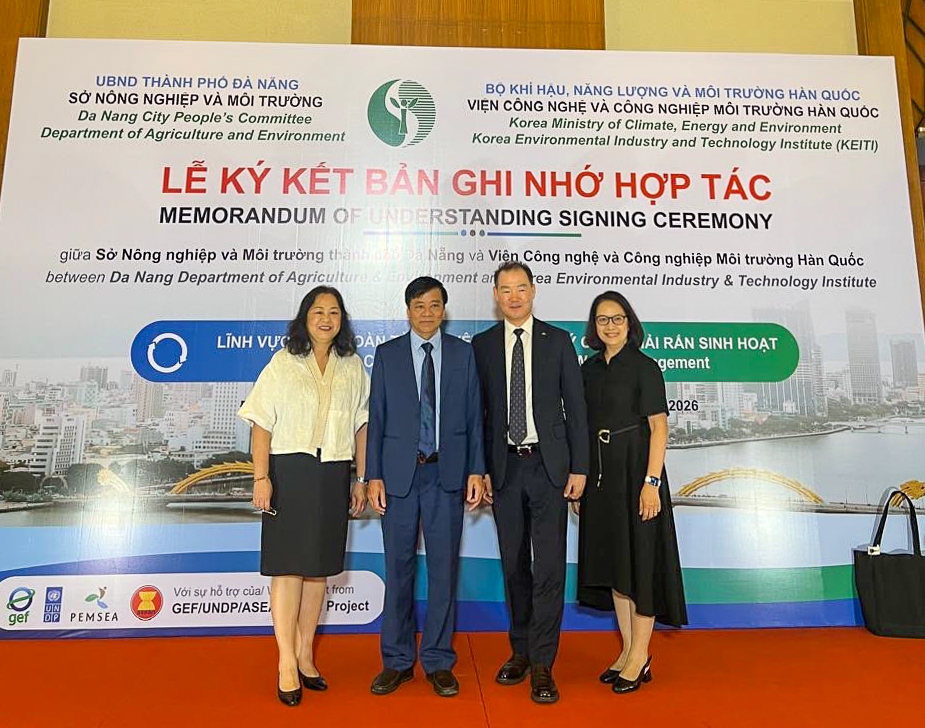
(L–R) Ms. Aimee Gonzales, Executive Director of PRF; Mr. Nguyen Van Lam, Deputy Director of Da Nang DAE; Mr. Kim Young Sik, Vice President of KEITI; and Ms. Nancy Bermas, Regional Project Manager of the IRBM Project, during the MoU signing ceremony. Photo Credit: Da Nang DAE
About the Project
Supported by the Global Environment Facility, the Integrated River Basin Management (IRBM) Project is working to establish functional management mechanisms in priority river basins across six ASEAN countries to reduce pollution, sustain freshwater environmental flows, and strengthen resilience to climate change. The regional Project is implemented by the United Nations Development Programme Bangkok Regional Hub and executed by Partnerships in Environmental Management for the Seas of East Asia, in collaboration with ASEAN.
Recent Articles
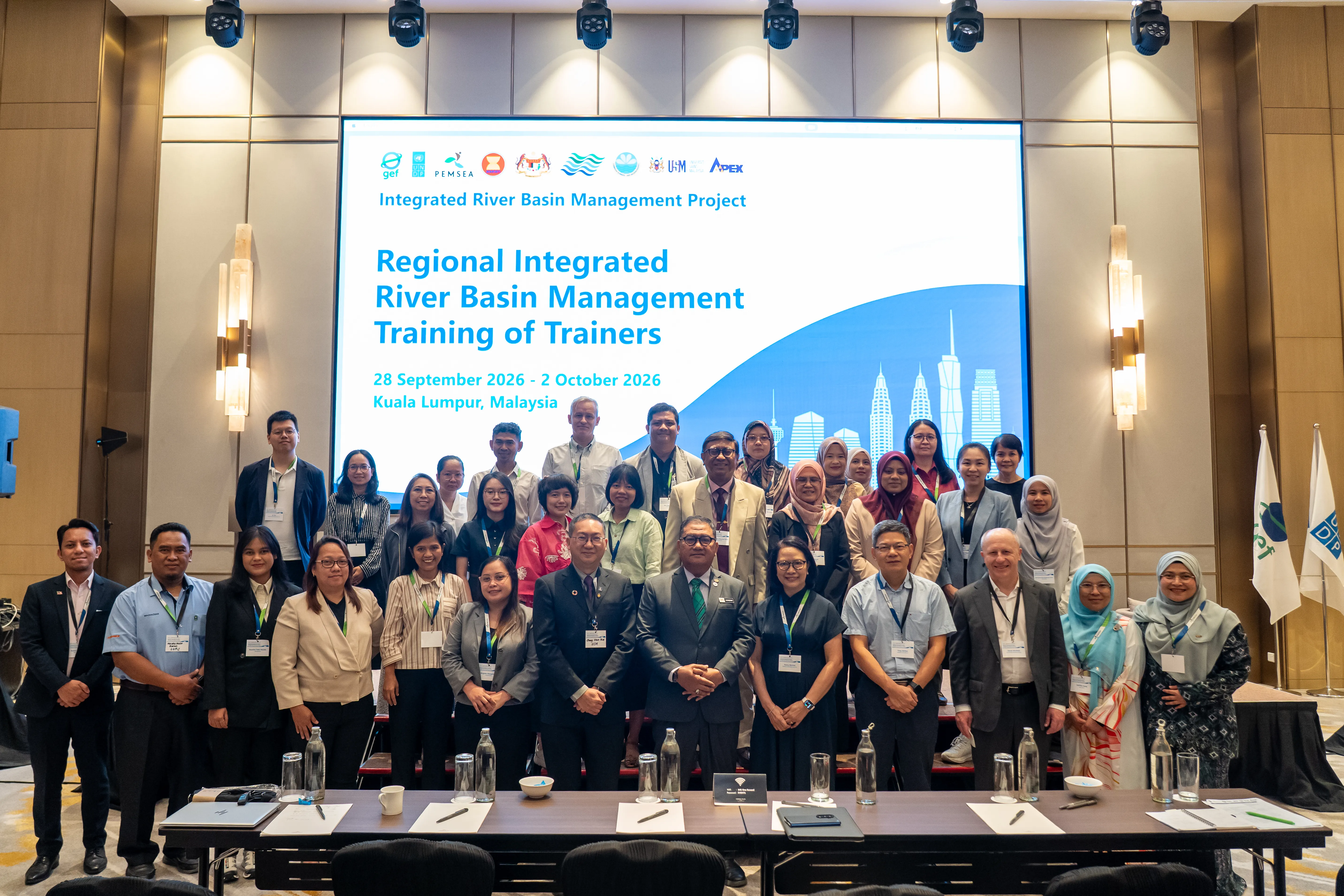
The GEF/UNDP/ASEAN IRBM Project Conducts the Regional Integrated River Basin Management Training of Trainers
Friday, 30 October 2026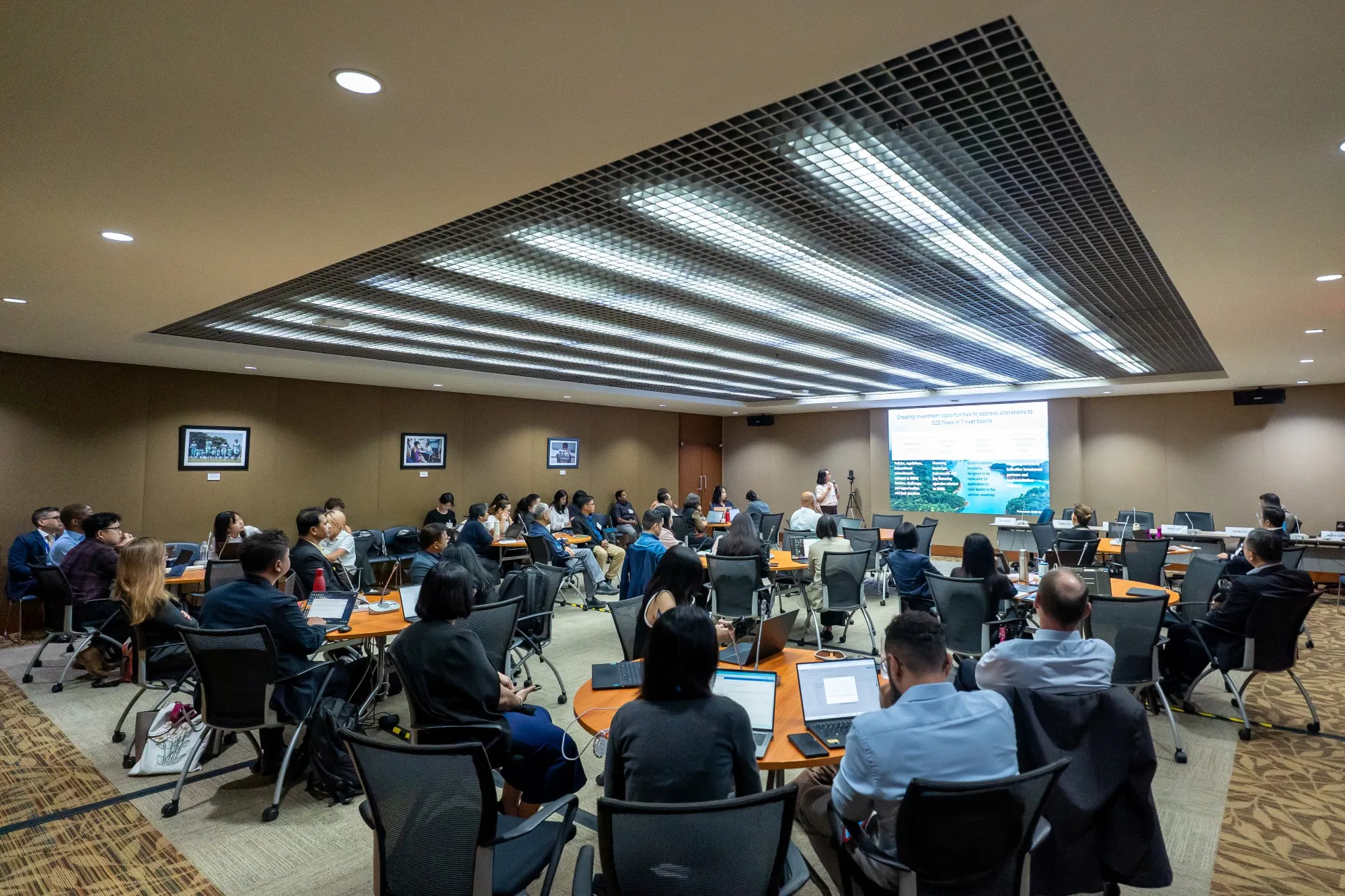
The GEF/UNDP/ASEAN IRBM Project Highlights Source-to-Sea Approach at Asia-Pacific Ocean Week 2026
Friday, 30 October 2026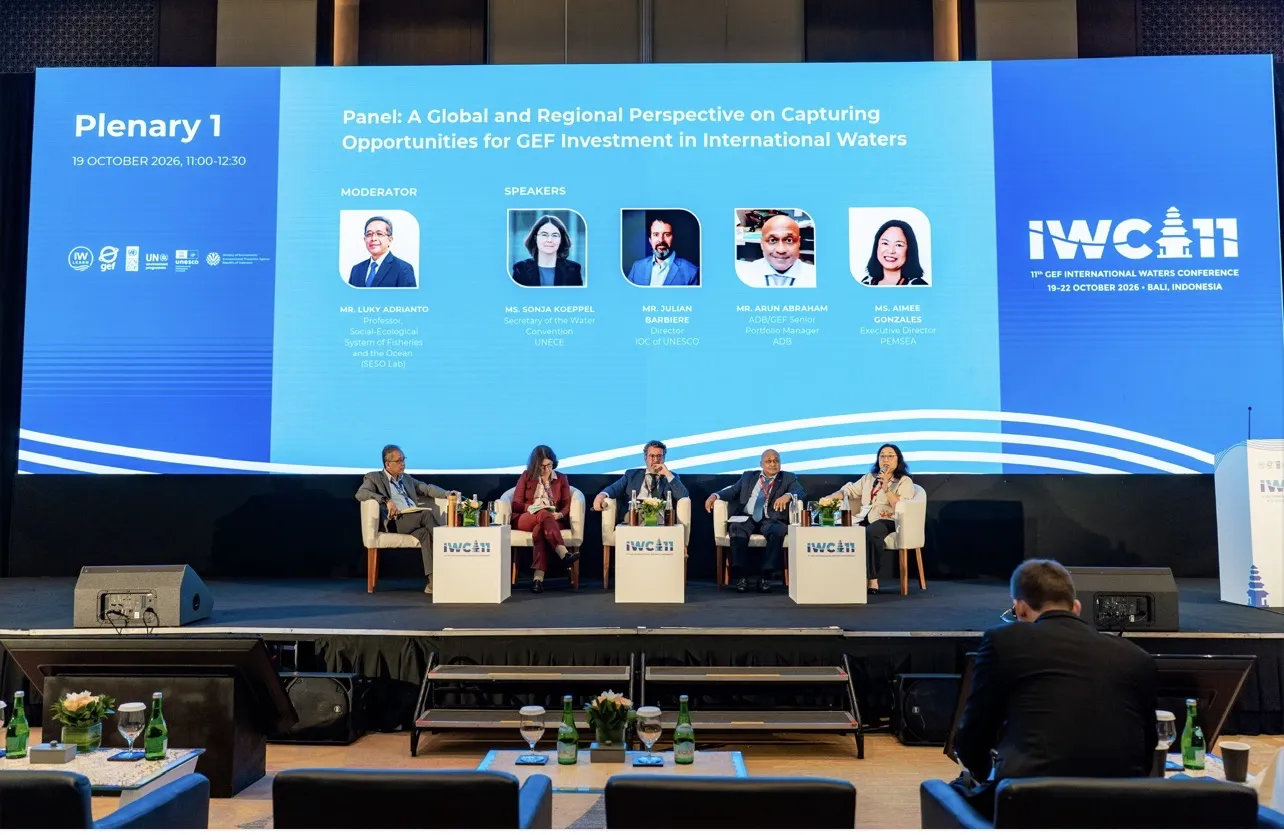
PEMSEA Brings Regional Perspectives on Ocean Governance at 11th International Waters Conference
Friday, 30 October 2026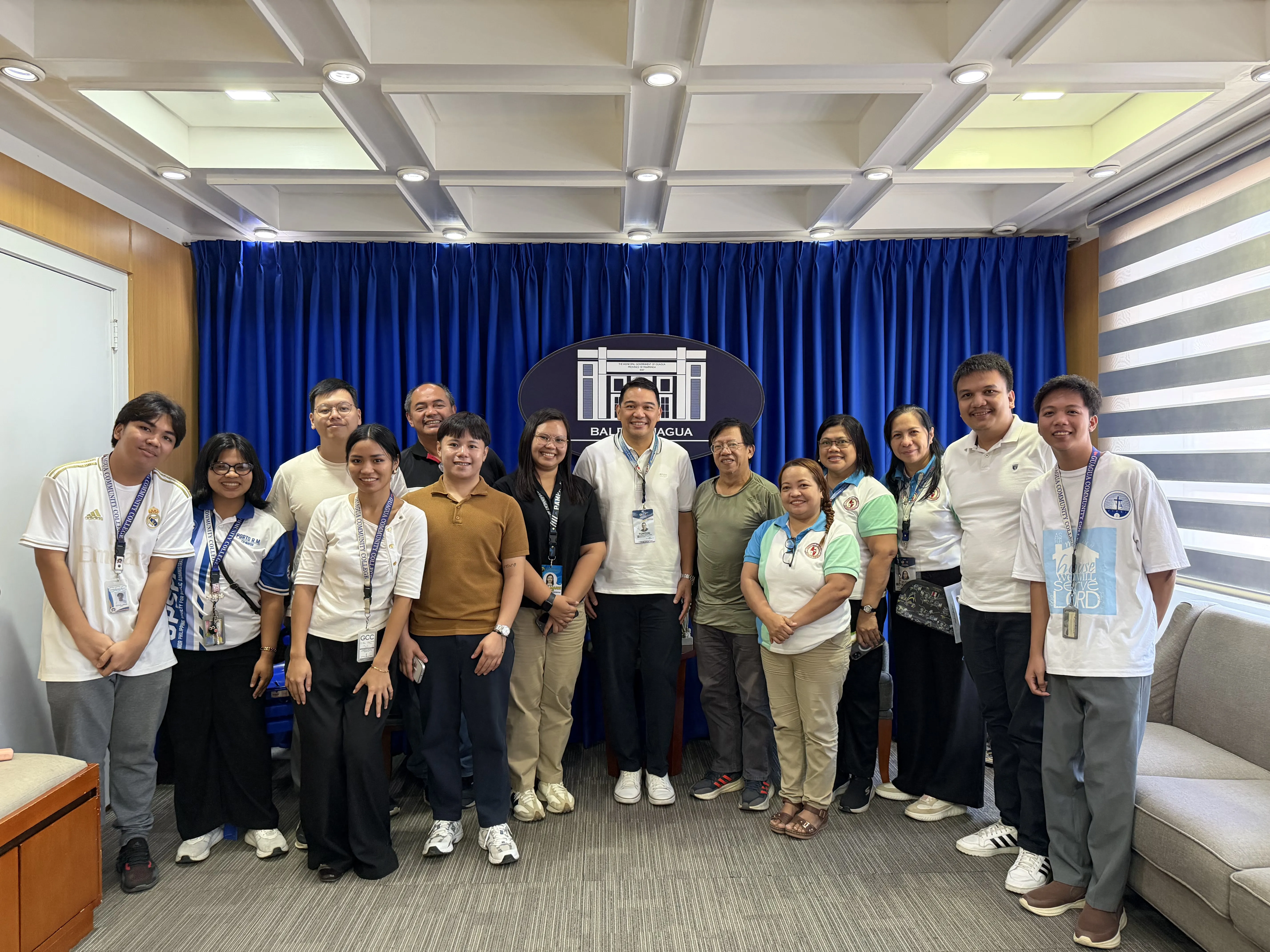
The GEF/UNDP/ASEAN IRBM Project Conducts Technology Needs Assessment for Food and Biodegradable Waste Management in the Pasac–Guagua Watershed
Friday, 30 October 2026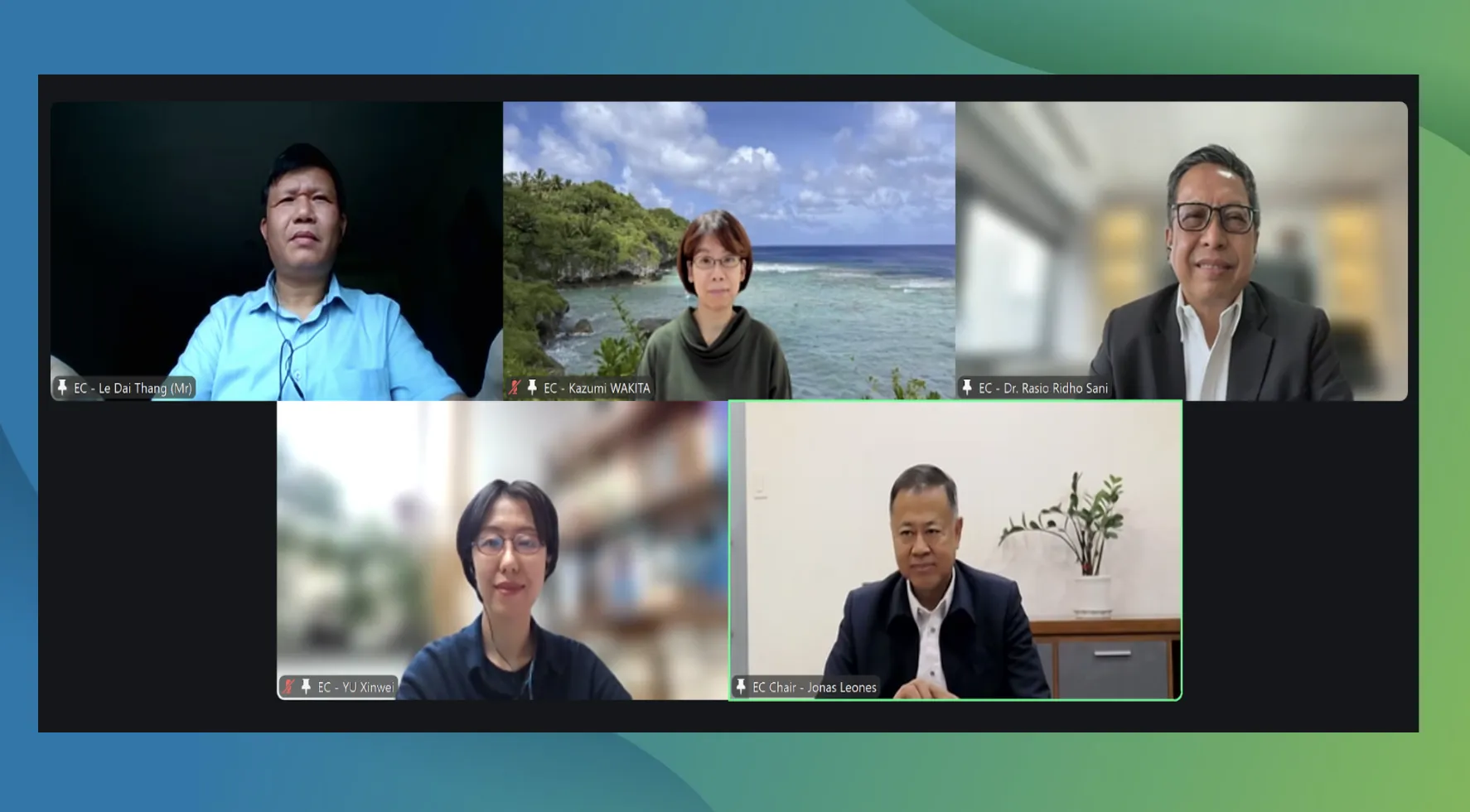
PEMSEA Holds 36th Executive Committee Meeting to Review Regional Priorities for 2027
Thursday, 29 October 2026